

Hey there! As a supplier of Carbon Molecular Sieve - 330, I often get asked if it can be used in the nitrogen generation process. Well, let's dive right into this topic and find out.
First off, let's understand what Carbon Molecular Sieve - 330 is. It's a highly porous material with a unique pore structure. These pores are crucial as they play a key role in separating different gases based on their molecular size and diffusion rate. In the context of nitrogen generation, this property becomes super important.
The nitrogen generation process typically relies on a technique called Pressure Swing Adsorption (PSA). In PSA, a gas mixture, usually air, is passed through a bed of adsorbent material. The adsorbent selectively adsorbs certain gases, leaving the desired gas (in this case, nitrogen) to be collected. And that's where Carbon Molecular Sieve - 330 comes in.
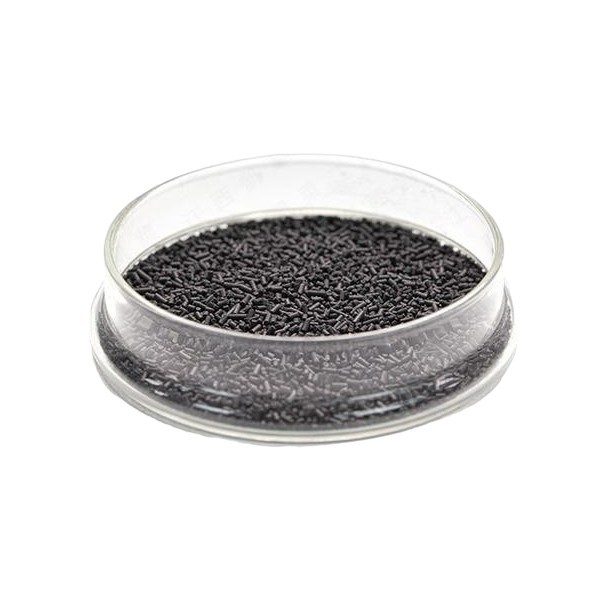
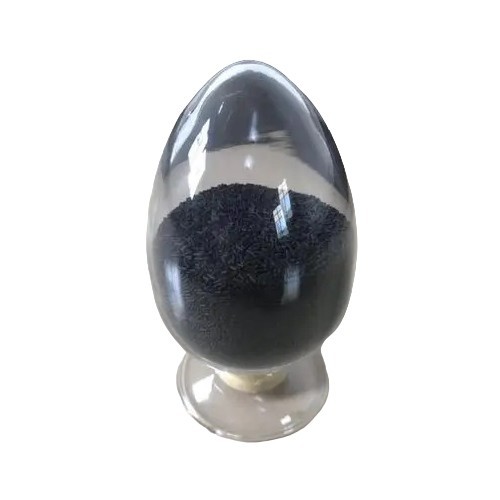
Carbon Molecular Sieve - 330 has the ability to adsorb oxygen preferentially over nitrogen. When air is passed through a bed of this sieve under pressure, oxygen molecules are adsorbed onto the surface of the sieve, while nitrogen molecules, being larger and having a slower diffusion rate, pass through the bed and can be collected as the product gas. Once the sieve becomes saturated with oxygen, the pressure is reduced, and the adsorbed oxygen is desorbed, regenerating the sieve for the next cycle.
Now, let's talk about the advantages of using Carbon Molecular Sieve - 330 in nitrogen generation. One of the biggest pluses is its high nitrogen production rate. It can efficiently separate nitrogen from air, allowing for a continuous supply of high - purity nitrogen. This is great for industries that rely on nitrogen for various processes, such as food packaging, electronics manufacturing, and chemical processing.
Another advantage is its long service life. With proper maintenance and operating conditions, Carbon Molecular Sieve - 330 can last for a long time, which means less frequent replacement and lower overall costs for the end - user. It also has good mechanical strength, which helps it withstand the pressure changes during the PSA process without breaking down easily.
However, like any product, it also has some limitations. The performance of Carbon Molecular Sieve - 330 can be affected by factors such as temperature, humidity, and the presence of contaminants in the feed air. High temperatures can reduce its adsorption capacity, and moisture or other impurities can clog the pores, reducing its efficiency. So, proper pre - treatment of the feed air is essential to ensure optimal performance.
If you're considering using Carbon Molecular Sieve - 330 for nitrogen generation, it's also worth looking at some of our other products. For example, we have the Carbon Molecular Sieve-JXSEP®HG - 110ES. This sieve is designed for applications where high - purity nitrogen is required. It has a more refined pore structure, which allows for better separation of nitrogen and oxygen, resulting in even higher nitrogen purity.
Another option is the Carbon Molecular Sieve-JXSEP®LG - 560. This sieve is suitable for large - scale nitrogen generation plants. It has a high adsorption capacity and can handle a large volume of feed air, making it ideal for industrial applications with high nitrogen demand.
And then there's the JXSEP HG - 90 Carbon Molecular Sieve. It offers a good balance between performance and cost. It's a popular choice for medium - sized nitrogen generation systems, providing reliable nitrogen production at a reasonable price.
So, in conclusion, Carbon Molecular Sieve - 330 can definitely be used in the nitrogen generation process. It offers several advantages in terms of nitrogen production rate, service life, and mechanical strength. But it's important to be aware of its limitations and take appropriate measures to ensure its optimal performance. Whether you choose Carbon Molecular Sieve - 330 or one of our other products, we're here to provide you with the best solutions for your nitrogen generation needs.
If you're interested in learning more about our Carbon Molecular Sieves or are looking to make a purchase, don't hesitate to reach out. We're always happy to have a chat about your specific requirements and help you find the right product for your application. Let's start a conversation and see how we can work together to meet your nitrogen generation goals.
References:
- "Handbook of Adsorption Technology for Gas Separation", John Wiley & Sons
- "Industrial Gas Separation Processes", Elsevier Publications