

In the dynamic landscape of industrial innovation, the exploration of new applications for existing materials is a continuous journey. One such material that has been making waves in various sectors is Carbon Molecular Sieve -330. As a trusted supplier of this remarkable product, I often receive inquiries about its potential use in the textile industry. In this blog, I will delve into the technical aspects, benefits, and challenges of using Carbon Molecular Sieve -330 in textile manufacturing, providing a comprehensive analysis for industry professionals and enthusiasts alike.
Understanding Carbon Molecular Sieve -330
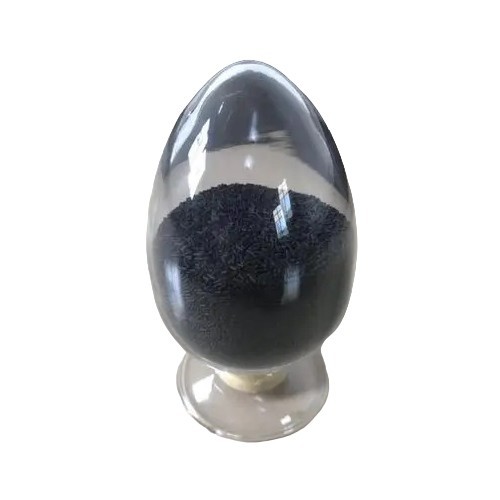
Carbon Molecular Sieve -330 is a highly porous material with a unique structure that allows it to selectively adsorb certain molecules based on their size and shape. It is primarily used in gas separation processes, such as nitrogen generation from air. The sieve's pores are precisely engineered to separate oxygen molecules, which are smaller, from nitrogen molecules, which are larger. This results in a high - purity nitrogen stream that can be used in a variety of industrial applications.
The key properties of Carbon Molecular Sieve -330 include high adsorption capacity, fast adsorption kinetics, and excellent mechanical strength. These properties make it an ideal candidate for applications where efficient gas separation is required.
Potential Applications in the Textile Industry
1. Nitrogen - Based Dyeing Processes
In the textile industry, dyeing is a crucial process that can greatly affect the quality and appearance of the final product. Traditional dyeing methods often use large amounts of water and chemicals, which can be environmentally harmful. Nitrogen - based dyeing processes offer a more sustainable alternative.
Carbon Molecular Sieve -330 can be used to generate high - purity nitrogen on - site. Nitrogen can be used to displace oxygen in the dyeing chamber, creating an inert atmosphere. This reduces the oxidation of dyes and fibers, resulting in more consistent coloration and improved color fastness. Additionally, nitrogen - based dyeing can reduce water consumption and chemical waste, making it an environmentally friendly option.
2. Preservation of Textile Materials
Textile materials, especially natural fibers like cotton, wool, and silk, are prone to degradation over time due to oxidation and microbial growth. Oxygen and moisture in the air can cause the fibers to lose their strength and color. By using Carbon Molecular Sieve -330 to generate nitrogen, textile manufacturers can create a controlled environment for storing and transporting their products.
Nitrogen can be used to purge storage facilities and shipping containers, removing oxygen and preventing oxidation and microbial growth. This helps to preserve the quality of the textiles and extend their shelf life.
3. Flame Retardancy Treatment
Flame retardancy is an important property for many textile applications, especially in the home furnishings and automotive industries. Some flame retardant treatments involve the use of chemicals that can be harmful to the environment and human health.
Carbon Molecular Sieve -330 can be used in a process where nitrogen is used to create a non - combustible atmosphere during the flame retardancy treatment. This can enhance the effectiveness of the treatment while reducing the use of harmful chemicals.
Advantages of Using Carbon Molecular Sieve -330 in the Textile Industry
1. Cost - Effectiveness
On - site nitrogen generation using Carbon Molecular Sieve -330 can be more cost - effective than purchasing nitrogen from external suppliers. This is because it eliminates the need for transportation and storage costs associated with delivered nitrogen. Additionally, the initial investment in a nitrogen generation system can be offset by long - term savings in operating costs.
2. Environmental Sustainability
As mentioned earlier, the use of Carbon Molecular Sieve -330 in nitrogen - based processes can reduce water consumption, chemical waste, and the use of harmful chemicals. This makes it a more sustainable option for the textile industry, which is under increasing pressure to reduce its environmental impact.
3. Quality Improvement
The use of nitrogen in dyeing and preservation processes can improve the quality of textile products. Consistent coloration, improved color fastness, and extended shelf life are all benefits that can enhance the marketability of textile products.

Challenges and Considerations
1. Initial Investment
The installation of a nitrogen generation system based on Carbon Molecular Sieve -330 requires an initial investment in equipment and infrastructure. This can be a barrier for some small and medium - sized textile manufacturers. However, it is important to consider the long - term cost savings and quality improvements that can be achieved.
2. Maintenance Requirements
Carbon Molecular Sieve -330 requires regular maintenance to ensure optimal performance. This includes periodic replacement of the sieve material, as well as cleaning and inspection of the nitrogen generation system. Textile manufacturers need to factor in these maintenance costs when considering the use of this technology.
3. Compatibility with Existing Processes
Integrating a nitrogen generation system into existing textile manufacturing processes may require some modifications. Textile manufacturers need to ensure that the new system is compatible with their existing equipment and processes.
Our Product Offerings
As a leading supplier of Carbon Molecular Sieve -330, we also offer a range of related products that can be used in the textile industry. Our JXSEP HG - 90 Carbon Molecular Sieve is another high - quality option for nitrogen generation, offering excellent adsorption performance and long service life.
In addition, our Carbon Molecular Sieve - JXSEP®HG - 110ES and Carbon Molecular Sieve - JXSEP®HG - 110 are designed to meet different industrial requirements, providing flexibility for textile manufacturers.
Conclusion and Call to Action
In conclusion, Carbon Molecular Sieve -330 has significant potential for use in the textile industry. Its ability to generate high - purity nitrogen on - site can bring numerous benefits, including cost - savings, environmental sustainability, and quality improvement. While there are some challenges and considerations, the long - term advantages make it a viable option for textile manufacturers looking to innovate and improve their processes.
If you are a textile manufacturer interested in exploring the use of Carbon Molecular Sieve -330 or our other related products in your operations, I encourage you to reach out to us. We have a team of experts who can provide you with detailed information, technical support, and customized solutions. Let's work together to take your textile manufacturing processes to the next level.
References
- "Gas Separation by Adsorption Processes" by Ralph T. Yang
- "Textile Dyeing and Finishing Technology" by Peter A. Trotman
- Industry reports on sustainable textile manufacturing practices.