

Can Carbon Molecular Sieve be used in the petrochemical industry?
Hey there! As a supplier of Carbon Molecular Sieve (CMS), I've been getting a lot of questions lately about whether CMS can be used in the petrochemical industry. Well, let me tell you, the answer is a big yes! In this blog post, I'll explain why CMS is a great fit for the petrochemical industry and how it can benefit your operations.
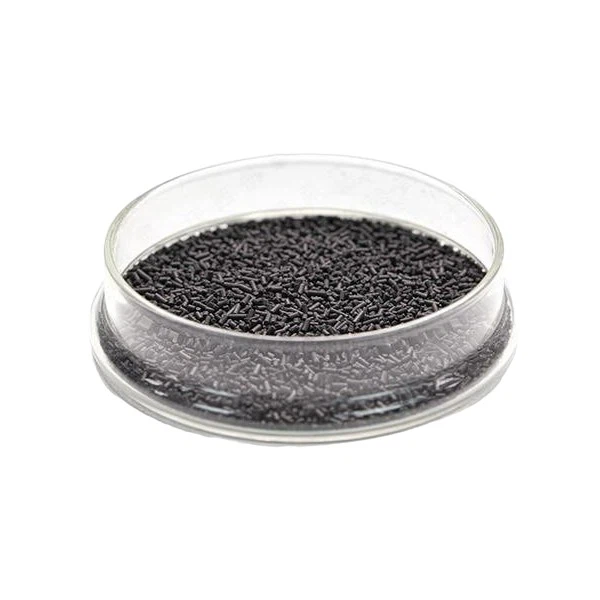
First off, let's talk about what Carbon Molecular Sieve is. CMS is a porous material made from activated carbon that has a unique molecular sieve structure. This structure allows it to selectively adsorb certain gas molecules based on their size and shape. In other words, it can separate different gases from each other.
One of the main applications of CMS in the petrochemical industry is in nitrogen generation. Nitrogen is an important gas used in many petrochemical processes, such as inerting, purging, and blanketing. Inerting is the process of filling a container or system with an inert gas, like nitrogen, to prevent the formation of explosive mixtures. Purging is the process of removing unwanted gases from a container or system, and blanketing is the process of covering a liquid or solid with a layer of gas to prevent oxidation or contamination.
CMS is used in nitrogen generators to separate nitrogen from air. Air is composed of about 78% nitrogen, 21% oxygen, and 1% other gases. By using CMS, the nitrogen generator can selectively adsorb the oxygen and other gases, leaving behind a high-purity nitrogen stream. This nitrogen stream can then be used in various petrochemical processes.
There are different types of CMS available on the market, each with its own unique properties and performance characteristics. For example, we offer Carbon Molecular Sieve-JXSEP®HG-110ES and Carbon Molecular Sieve-JXSEP®HG-110. These CMS products are designed to provide high nitrogen purity and production rates, making them ideal for use in petrochemical applications.
Another advantage of using CMS in nitrogen generation is its energy efficiency. Compared to other nitrogen generation methods, such as cryogenic distillation, CMS-based nitrogen generators require less energy to operate. This can result in significant cost savings for petrochemical companies over time.
In addition to nitrogen generation, CMS can also be used in other petrochemical applications, such as hydrogen purification. Hydrogen is another important gas used in the petrochemical industry, for processes like hydrocracking, hydrotreating, and hydrogenation. In these processes, it's often necessary to purify the hydrogen to remove impurities, such as carbon monoxide, carbon dioxide, and moisture.
CMS can be used in hydrogen purification systems to selectively adsorb these impurities, leaving behind a high-purity hydrogen stream. Our JXSEP®LG-610 Carbon Molecular Sieve is well-suited for hydrogen purification applications, offering high adsorption capacity and selectivity.
CMS also offers good chemical stability and mechanical strength. In the harsh environments of the petrochemical industry, where there are often high temperatures, pressures, and the presence of corrosive chemicals, materials need to be able to withstand these conditions. CMS can handle these challenges, ensuring reliable and long - term performance in petrochemical processes.
Now, let's talk about some of the considerations when using CMS in the petrochemical industry. One important factor is the quality of the raw air or feed gas. If the air or gas contains a high level of contaminants, such as dust, oil, or water vapor, it can affect the performance and lifespan of the CMS. That's why it's crucial to have proper pre - treatment systems in place to remove these contaminants before the gas enters the CMS - based separation unit.
Another consideration is the regeneration process. Over time, the CMS will become saturated with adsorbed gases and need to be regenerated. There are different regeneration methods available, such as pressure swing adsorption (PSA) and temperature swing adsorption (TSA). The choice of regeneration method depends on various factors, including the specific application, the type of CMS used, and the desired level of gas purity.
When it comes to choosing a CMS supplier for your petrochemical needs, it's important to look for a company that has a good reputation and can provide high - quality products and technical support. We've been in the business for a while, and we've worked with many petrochemical companies to provide them with the right CMS solutions. Our team is always ready to help you with product selection, installation, and troubleshooting.
If you're involved in the petrochemical industry and are looking for a reliable and efficient gas separation solution, Carbon Molecular Sieve could be the answer. Whether you need to generate high - purity nitrogen or purify hydrogen, our range of CMS products can meet your requirements.

If you're interested in learning more about our Carbon Molecular Sieve products or discussing your specific petrochemical application needs, don't hesitate to reach out. We're here to have a chat with you, answer your questions, and provide you with a customized solution. Just initiate a conversation, and we'll start working on finding the best fit for your operations.
References
- Smith, J. (2020). Gas Separation Technologies in the Petrochemical Industry. Petrochemical Journal.
- Brown, A. (2021). Advances in Carbon Molecular Sieve Applications. Material Science Review.