

Biogas, a renewable energy source produced from the anaerobic digestion of organic matter, has gained significant attention as a sustainable alternative to fossil fuels. However, raw biogas contains impurities such as carbon dioxide (CO₂), hydrogen sulfide (H₂S), and water vapor, which need to be removed to enhance its energy content and make it suitable for various applications. Carbon molecular sieve (CMS) is a promising adsorbent material that has been explored for biogas purification. In this blog, we, as a Carbon Molecular Sieve - JXF supplier, will discuss whether Carbon Molecular Sieve - JXF can be used in the biogas purification process.
Understanding Carbon Molecular Sieve - JXF
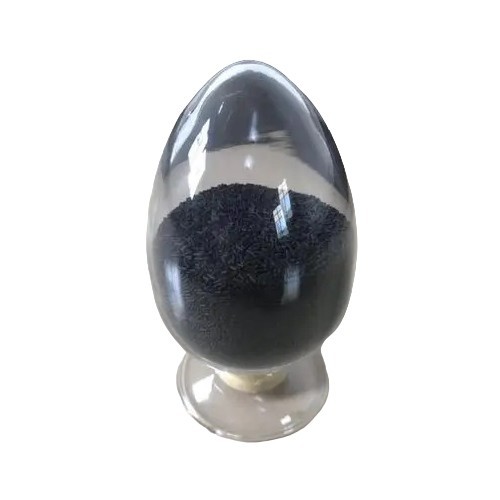
Carbon Molecular Sieve - JXF is a type of porous carbon material with a unique pore structure that allows it to selectively adsorb different gases based on their molecular size and shape. It is typically produced through the carbonization and activation of organic precursors, resulting in a highly microporous structure with a narrow pore size distribution. This characteristic makes it an excellent candidate for gas separation applications, including biogas purification.
Biogas Composition and Purification Requirements
Raw biogas mainly consists of methane (CH₄) and carbon dioxide, with small amounts of other gases such as hydrogen sulfide, water vapor, and trace amounts of nitrogen (N₂) and oxygen (O₂). The presence of carbon dioxide reduces the calorific value of biogas, while hydrogen sulfide is corrosive and can damage equipment. Therefore, the main goal of biogas purification is to remove carbon dioxide and hydrogen sulfide to increase the methane content and improve the quality of the biogas.
Potential of Carbon Molecular Sieve - JXF in Biogas Purification
1. Selective Adsorption of Carbon Dioxide
Carbon Molecular Sieve - JXF has a high affinity for carbon dioxide due to its microporous structure. The narrow pores of the CMS can selectively adsorb CO₂ molecules while allowing methane molecules to pass through. This selective adsorption property makes it possible to separate carbon dioxide from methane in biogas, thereby increasing the methane concentration. For example, the Carbon Molecular Sieve - JXSEP®HG - 110ES has been designed with optimized pore structures to enhance the adsorption capacity and selectivity for carbon dioxide, which can effectively purify biogas and improve its energy efficiency.
2. Removal of Hydrogen Sulfide
In addition to carbon dioxide, Carbon Molecular Sieve - JXF can also adsorb hydrogen sulfide to a certain extent. The surface of the CMS can react with hydrogen sulfide through chemical adsorption mechanisms, reducing the concentration of H₂S in the biogas. This is crucial for protecting downstream equipment from corrosion and ensuring the safe operation of the biogas utilization system.
3. Regenerability
One of the advantages of using Carbon Molecular Sieve - JXF in biogas purification is its regenerability. After the adsorption process, the CMS can be regenerated by reducing the pressure or increasing the temperature, releasing the adsorbed gases and restoring its adsorption capacity. This allows for continuous operation of the biogas purification system and reduces the operating cost.
Factors Affecting the Performance of Carbon Molecular Sieve - JXF in Biogas Purification
1. Pore Structure
The pore structure of Carbon Molecular Sieve - JXF plays a crucial role in its performance for biogas purification. A well - designed pore size distribution is necessary to ensure high selectivity for carbon dioxide and hydrogen sulfide while maintaining a high adsorption capacity. For instance, the JXSEP®LG - 610 Carbon Molecular Sieve has a carefully engineered pore structure that balances the adsorption capacity and selectivity, which is suitable for different biogas purification requirements.
2. Operating Conditions
The operating conditions such as temperature, pressure, and gas flow rate also affect the performance of Carbon Molecular Sieve - JXF. Generally, lower temperatures and higher pressures favor the adsorption process, while higher temperatures and lower pressures are beneficial for regeneration. Optimizing these operating conditions can improve the efficiency and effectiveness of the biogas purification process.
3. Biogas Composition
The composition of the biogas, including the concentrations of carbon dioxide, hydrogen sulfide, and other impurities, can impact the performance of Carbon Molecular Sieve - JXF. Different biogas sources may have different compositions, and the CMS needs to be tailored to the specific biogas characteristics to achieve optimal purification results.

Comparison with Other Biogas Purification Technologies
1. Water Scrubbing
Water scrubbing is a common biogas purification method that uses water to dissolve carbon dioxide and hydrogen sulfide. However, this method requires a large amount of water and energy, and it may not be as effective in removing trace amounts of impurities. In contrast, Carbon Molecular Sieve - JXF can achieve high - purity biogas purification with relatively low energy consumption and without the need for large amounts of water.
2. Membrane Separation
Membrane separation technology uses semi - permeable membranes to separate different gases in biogas. While membrane separation has the advantage of continuous operation, it may have limitations in terms of selectivity and membrane fouling. Carbon Molecular Sieve - JXF offers better selectivity and can be regenerated easily, making it a more reliable option for long - term biogas purification.
Case Studies and Practical Applications
There have been several successful applications of carbon molecular sieves in biogas purification projects. In some small - scale biogas plants, Carbon Molecular Sieve - JXF has been used to purify biogas for on - site power generation. By removing carbon dioxide and hydrogen sulfide, the biogas quality has been significantly improved, resulting in higher power output and reduced maintenance costs. For example, in a rural biogas project, the Carbon Molecular Sieve - JXSEP®HG - 110 was installed in a pressure swing adsorption (PSA) system, and the methane content in the purified biogas increased from 60% to over 90%, meeting the requirements for grid injection.
Conclusion
Carbon Molecular Sieve - JXF shows great potential in the biogas purification process. Its selective adsorption properties for carbon dioxide and hydrogen sulfide, regenerability, and relatively low energy consumption make it a promising candidate for biogas purification applications. However, to fully realize its potential, further research and development are needed to optimize the pore structure, operating conditions, and adapt it to different biogas compositions.
If you are interested in using Carbon Molecular Sieve - JXF for your biogas purification project, we invite you to contact us for more information and to discuss your specific requirements. Our team of experts is ready to provide you with professional solutions and high - quality products to help you achieve efficient and sustainable biogas purification.
References
- Yang, R. T. (1987). Gas Separation by Adsorption Processes. Butterworths.
- Ruthven, D. M., Farooq, S., & Knaebel, K. S. (1994). Pressure Swing Adsorption. VCH Publishers.
- Speight, J. G. (2013). The Chemistry and Technology of Petroleum. CRC Press.