

Can Carbon Molecular Sieve - JXF be used in the paint industry?
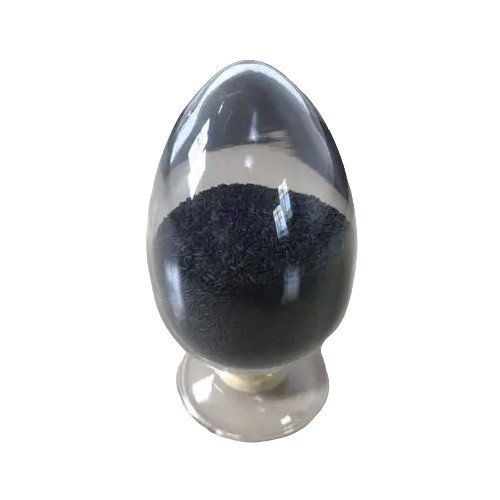

As a supplier of Carbon Molecular Sieve - JXF, I've often been asked about the potential applications of our product in various industries. One question that frequently comes up is whether Carbon Molecular Sieve - JXF can be used in the paint industry. In this blog post, I'll explore this topic in detail and share some insights based on our experience and industry knowledge.
Understanding Carbon Molecular Sieve - JXF
Carbon Molecular Sieve - JXF is a highly porous material with a unique structure that allows it to selectively adsorb different gases based on their molecular size and shape. It is commonly used in gas separation processes, such as nitrogen generation from air, where it can separate nitrogen from oxygen and other impurities. The sieve's pore size distribution and surface properties can be tailored to specific applications, making it a versatile material for a wide range of industries.
Requirements in the Paint Industry
The paint industry has several specific requirements that need to be met in terms of product quality, performance, and environmental impact. Some of the key considerations include:
- Purity and Consistency: Paints need to have a high level of purity to ensure consistent color, finish, and performance. Any impurities or contaminants can affect the quality of the paint and lead to issues such as color variations, poor adhesion, or reduced durability.
- Drying and Curing: The drying and curing process of paints is crucial for achieving the desired properties. Factors such as the rate of drying, the formation of a smooth and uniform film, and the resistance to cracking or peeling are all important considerations.
- Environmental Friendliness: With increasing environmental regulations and consumer awareness, the paint industry is under pressure to develop more sustainable products. This includes reducing the use of volatile organic compounds (VOCs), which can contribute to air pollution and have negative health effects.
Potential Applications of Carbon Molecular Sieve - JXF in the Paint Industry
Based on the properties of Carbon Molecular Sieve - JXF and the requirements of the paint industry, there are several potential applications where our product could be beneficial:
- Gas Separation for Nitrogen Generation: Nitrogen is commonly used in the paint industry for various purposes, such as preventing oxidation during the manufacturing process, reducing the risk of fire and explosion, and improving the storage stability of paints. Carbon Molecular Sieve - JXF can be used in nitrogen generation systems to produce high-purity nitrogen from air, providing a cost-effective and reliable source of nitrogen for the paint industry.
- Adsorption of Impurities and Contaminants: The porous structure of Carbon Molecular Sieve - JXF allows it to adsorb impurities and contaminants from gases and liquids. In the paint industry, it could be used to remove moisture, oxygen, and other impurities from the raw materials or the production environment, helping to improve the purity and quality of the paints.
- VOC Removal: Volatile organic compounds (VOCs) are a major concern in the paint industry due to their environmental and health impacts. Carbon Molecular Sieve - JXF can be used in adsorption systems to remove VOCs from the air or the paint itself, helping to reduce the emissions of these harmful substances and meet the environmental regulations.
Case Studies and Examples
To illustrate the potential benefits of using Carbon Molecular Sieve - JXF in the paint industry, let's look at some case studies and examples:
- Nitrogen Generation for Paint Manufacturing: A paint manufacturer was experiencing issues with oxidation and color variations in their products. By installing a nitrogen generation system using JXSEP®LG - 610 Carbon Molecular Sieve, they were able to produce high-purity nitrogen and use it during the manufacturing process. This helped to prevent oxidation, improve the color consistency, and enhance the overall quality of the paints.
- Adsorption of Moisture and Impurities: Another paint company was facing problems with moisture absorption in their raw materials, which was leading to issues with the drying and curing process. They implemented a Carbon Molecular Sieve - JXF adsorption system to remove moisture and other impurities from the raw materials before use. As a result, they were able to improve the drying and curing properties of the paints, reduce the occurrence of defects, and increase the production efficiency.
- VOC Removal from Paint Facilities: A paint manufacturing facility was struggling to meet the environmental regulations regarding VOC emissions. They installed a Carbon Molecular Sieve - JXF adsorption system to remove VOCs from the exhaust air. This not only helped them to comply with the regulations but also improved the air quality in the facility and reduced the health risks for the workers.
Challenges and Considerations
While there are several potential benefits of using Carbon Molecular Sieve - JXF in the paint industry, there are also some challenges and considerations that need to be addressed:
- Compatibility with Paint Formulations: It is important to ensure that the Carbon Molecular Sieve - JXF is compatible with the paint formulations and does not have any negative effects on the performance or quality of the paints. This may require some testing and optimization to determine the appropriate dosage and operating conditions.
- Cost - Effectiveness: The cost of implementing a Carbon Molecular Sieve - JXF system needs to be weighed against the potential benefits. While it can provide significant advantages in terms of product quality, performance, and environmental impact, the initial investment and the operating costs need to be considered.
- Regulatory Compliance: The paint industry is subject to various regulations regarding product quality, environmental impact, and safety. It is important to ensure that the use of Carbon Molecular Sieve - JXF complies with all the relevant regulations and standards.
Conclusion
In conclusion, Carbon Molecular Sieve - JXF has the potential to be used in the paint industry for various applications, such as nitrogen generation, adsorption of impurities and contaminants, and VOC removal. It can help to improve the purity, quality, and performance of the paints, as well as reduce the environmental impact of the paint manufacturing process. However, there are also some challenges and considerations that need to be addressed, such as compatibility with paint formulations, cost - effectiveness, and regulatory compliance.
If you are in the paint industry and are interested in exploring the potential of using Carbon Molecular Sieve - JXF in your operations, I encourage you to contact us for more information. Our team of experts can provide you with detailed technical information, conduct feasibility studies, and help you determine the best solution for your specific needs. We are committed to providing high - quality products and excellent customer service, and we look forward to working with you to achieve your goals in the paint industry.
References
- "Gas Separation Technology in the Chemical Industry", Chemical Engineering Journal, Volume 200, Issue 1, 2012.
- "Adsorption of Volatile Organic Compounds on Carbon - Based Materials: A Review", Journal of Environmental Management, Volume 101, Issue 1, 2012.
- "The Role of Nitrogen in the Paint Industry", Paint and Coatings Industry Magazine, Volume 30, Issue 2, 2015.