

Carbon molecular sieves (CMS) have long been recognized for their exceptional separation capabilities in various industrial applications. As a leading supplier of Carbon Molecular Sieve -JXF, I often receive inquiries about the potential use of our product in the pharmaceutical industry. In this blog post, I will delve into this topic, exploring the properties of Carbon Molecular Sieve -JXF and its suitability for pharmaceutical applications.
Understanding Carbon Molecular Sieve -JXF
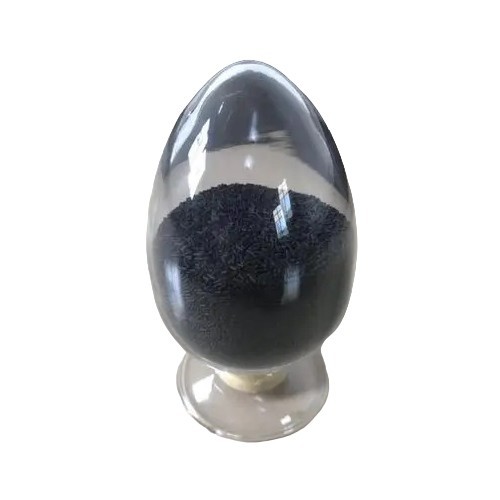
Carbon Molecular Sieve -JXF is a highly porous material composed of carbon atoms arranged in a unique structure. This structure creates a network of micropores and mesopores, which are responsible for its remarkable adsorption and separation properties. The size and distribution of these pores can be precisely controlled during the manufacturing process, allowing for the customization of the CMS to meet specific application requirements.
One of the key features of Carbon Molecular Sieve -JXF is its ability to selectively adsorb molecules based on their size and shape. This is known as molecular sieving, and it enables the separation of different gases and vapors with high efficiency. For example, in the production of nitrogen from air, Carbon Molecular Sieve -JXF can preferentially adsorb oxygen molecules, allowing nitrogen to pass through and be collected as a pure gas.
Potential Applications in the Pharmaceutical Industry
The pharmaceutical industry has strict requirements for the purity and quality of its products. Any contaminants or impurities in the raw materials or manufacturing process can have a significant impact on the safety and efficacy of the final pharmaceutical product. As such, the use of high-quality separation and purification technologies is essential.
Gas Separation
In the pharmaceutical manufacturing process, various gases are used, such as nitrogen, oxygen, and carbon dioxide. These gases need to be of high purity to ensure the quality of the pharmaceutical products. Carbon Molecular Sieve -JXF can be used in pressure swing adsorption (PSA) systems to separate and purify these gases.
For instance, nitrogen is widely used in the pharmaceutical industry for inerting purposes, such as preventing oxidation and degradation of sensitive pharmaceutical compounds. By using Carbon Molecular Sieve -JXF in a PSA nitrogen generator, pharmaceutical manufacturers can produce high-purity nitrogen on-site, reducing the cost and logistical challenges associated with purchasing and storing nitrogen cylinders.
Solvent Recovery
Many pharmaceutical processes involve the use of organic solvents. These solvents need to be recovered and recycled to minimize waste and reduce environmental impact. Carbon Molecular Sieve -JXF can be used in solvent recovery systems to adsorb and separate solvents from other components in the process stream.
The selective adsorption properties of Carbon Molecular Sieve -JXF allow it to target specific solvents, enabling efficient recovery and purification. This not only helps in reducing the cost of solvent procurement but also ensures compliance with environmental regulations.
Air Purification
The pharmaceutical manufacturing environment requires a clean and controlled atmosphere to prevent contamination of the products. Carbon Molecular Sieve -JXF can be used in air purification systems to remove impurities, such as volatile organic compounds (VOCs), from the air.
By adsorbing these contaminants, Carbon Molecular Sieve -JXF helps in maintaining the air quality in the pharmaceutical manufacturing facility, ensuring the integrity of the products and the safety of the workers.
Advantages of Using Carbon Molecular Sieve -JXF in the Pharmaceutical Industry
High Purity Separation
Carbon Molecular Sieve -JXF offers high selectivity and separation efficiency, enabling the production of high-purity gases and solvents. This is crucial in the pharmaceutical industry, where even trace amounts of impurities can have a significant impact on product quality.
Cost-Effectiveness
On-site gas generation using Carbon Molecular Sieve -JXF in PSA systems can be more cost-effective than purchasing pre-packaged gases. It eliminates the need for transportation and storage of gas cylinders, reducing operational costs in the long run.
Environmental Friendliness
The use of Carbon Molecular Sieve -JXF in solvent recovery and air purification systems helps in reducing waste and minimizing environmental impact. By recycling solvents and removing pollutants from the air, pharmaceutical manufacturers can contribute to a more sustainable manufacturing process.

Customizability
As mentioned earlier, the pore structure of Carbon Molecular Sieve -JXF can be customized to meet specific application requirements. This allows pharmaceutical manufacturers to optimize the performance of the separation and purification processes according to their unique needs.
Comparison with Other Separation Technologies
There are several other separation technologies available in the market, such as membrane separation and cryogenic distillation. While each technology has its own advantages, Carbon Molecular Sieve -JXF offers some unique benefits that make it a suitable choice for the pharmaceutical industry.
Membrane Separation
Membrane separation is a popular technology for gas separation. However, membranes can be prone to fouling and have limited selectivity compared to Carbon Molecular Sieve -JXF. Carbon Molecular Sieve -JXF, on the other hand, offers high selectivity and can operate in harsh environments without significant degradation.
Cryogenic Distillation
Cryogenic distillation is a highly efficient method for gas separation, but it requires a large amount of energy and complex equipment. Carbon Molecular Sieve -JXF-based PSA systems are more energy-efficient and require less capital investment, making them a more practical option for many pharmaceutical manufacturers.
Case Studies and Real-World Examples
There are numerous real-world examples of the successful use of carbon molecular sieves in the pharmaceutical industry. For instance, a leading pharmaceutical company was facing challenges in maintaining the purity of nitrogen used in its manufacturing process. By implementing a PSA nitrogen generator with JXSEP®LG-610 Carbon Molecular Sieve, the company was able to produce high-purity nitrogen on-site, resulting in significant cost savings and improved product quality.
Another pharmaceutical manufacturer was struggling with solvent recovery in its production process. By using Carbon Molecular Sieve-JXSEP®HG-110ES in a solvent recovery system, the company was able to recover and recycle a large portion of the solvents, reducing waste and environmental impact.
Conclusion
In conclusion, Carbon Molecular Sieve -JXF has significant potential for use in the pharmaceutical industry. Its high selectivity, cost-effectiveness, and environmental friendliness make it an attractive option for gas separation, solvent recovery, and air purification applications. With its customizable properties, it can be tailored to meet the specific requirements of pharmaceutical manufacturers.
As a supplier of Carbon Molecular Sieve -JXF, I am confident that our product can provide pharmaceutical companies with a reliable and efficient solution for their separation and purification needs. If you are interested in learning more about how Carbon Molecular Sieve -JXF can benefit your pharmaceutical manufacturing process, or if you have any specific requirements, I encourage you to contact me for a detailed discussion and to explore potential procurement opportunities.
References
- Ruthven, D. M., Farooq, S., & Knaebel, K. S. (1994). Pressure Swing Adsorption. John Wiley & Sons.
- Yang, R. T. (1987). Gas Separation by Adsorption Processes. Butterworths.
- Sircar, S., & Golden, T. C. (2005). Pressure swing adsorption. Adsorption, 11(1-2), 49-54.