

Hey there! I'm a supplier of Carbon Molecular Sieve - JXH, and today I'm gonna take you through the whole process of how this awesome stuff is produced.
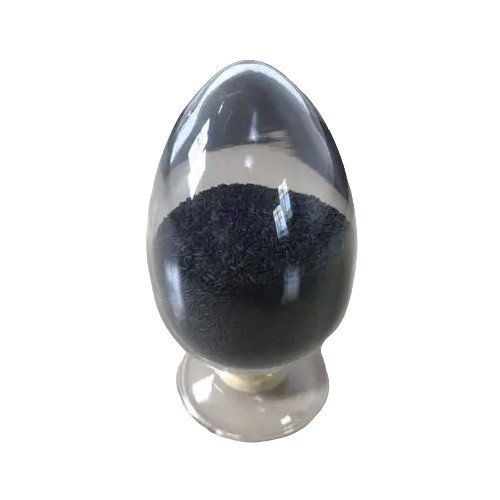
First off, let's talk about what Carbon Molecular Sieve - JXH actually is. It's a super important material used in a bunch of industries, mainly for separating gases. It can selectively adsorb different gases based on their molecular size and shape, which makes it really useful in processes like nitrogen generation from air.
Starting Materials
The production of Carbon Molecular Sieve - JXH begins with carefully selected raw materials. We usually use a type of carbonaceous precursor, which is basically a substance that can be turned into carbon under the right conditions. Common precursors include coal, coconut shell charcoal, and phenolic resins.
Coal is a widely used precursor because it's abundant and relatively cheap. It has a high carbon content, which is essential for making a good carbon molecular sieve. Coconut shell charcoal, on the other hand, is known for its high purity and uniform pore structure. It gives the final product excellent adsorption properties. Phenolic resins are synthetic precursors that can be tailored to have specific chemical and physical properties, allowing us to control the characteristics of the carbon molecular sieve more precisely.
Preparation of the Precursor
Once we've chosen the precursor, the next step is to prepare it for the carbonization process. This usually involves crushing and grinding the precursor into a fine powder. The particle size of the powder is crucial because it affects the pore structure and surface area of the final carbon molecular sieve.
After grinding, the powder is mixed with a binder. The binder helps to hold the particles together and gives the precursor the right shape. Common binders include coal tar pitch, phenolic resins, and starch. The mixture is then formed into small pellets or beads using a molding process. These pellets will later be carbonized to form the carbon molecular sieve.
Carbonization
Carbonization is a key step in the production of Carbon Molecular Sieve - JXH. It involves heating the precursor pellets in an inert atmosphere, usually nitrogen or argon, at a high temperature. The temperature and heating rate during carbonization have a significant impact on the properties of the final product.
Typically, the carbonization temperature ranges from 600°C to 1000°C. At this high temperature, the organic components in the precursor decompose, leaving behind a carbon-rich residue. The volatile substances are released as gases, creating pores in the carbon structure. The heating rate is carefully controlled to ensure that the pores are formed evenly and have the right size and distribution.
During carbonization, the binder also plays an important role. It helps to form a strong carbon matrix and fills in some of the larger pores, leaving behind a network of smaller, uniform pores. This is essential for the selective adsorption of gases.
Activation
After carbonization, the carbon pellets are usually activated to further improve their adsorption properties. Activation involves treating the carbon with an activating agent, such as steam, carbon dioxide, or a mixture of both, at a high temperature.
The activating agent reacts with the carbon surface, creating more pores and increasing the surface area of the carbon molecular sieve. This process also modifies the surface chemistry of the carbon, making it more selective for certain gases. The activation temperature and time are carefully controlled to achieve the desired pore structure and adsorption capacity.
Post - treatment
Once the activation is complete, the carbon molecular sieve undergoes a series of post - treatment steps. These steps are designed to remove any impurities, adjust the pH, and improve the mechanical strength of the product.
One common post - treatment step is washing the carbon molecular sieve with water or an acid solution to remove any residual activating agent or impurities. After washing, the sieve is dried at a low temperature to remove the moisture.
Another important post - treatment step is surface modification. This can be done by treating the carbon molecular sieve with various chemicals to change its surface properties. For example, we can introduce functional groups on the surface to enhance the adsorption of specific gases.
Quality Control
Throughout the production process, we conduct strict quality control measures to ensure that the Carbon Molecular Sieve - JXH meets the highest standards. We use a variety of analytical techniques to test the properties of the product, such as pore size distribution, surface area, adsorption capacity, and mechanical strength.
We also test the performance of the carbon molecular sieve in real - world applications. For example, we measure its ability to separate nitrogen from air in a nitrogen generation system. If the product doesn't meet our quality requirements, we go back and adjust the production process to improve it.
Our Product Range
As a supplier, we offer a wide range of Carbon Molecular Sieve products to meet different customer needs. For example, we have the Carbon Molecular Sieve-JXSEP®HG-110ES, which is designed for high - purity nitrogen generation. It has a high adsorption capacity and excellent selectivity for oxygen, making it ideal for applications where high - quality nitrogen is required.
We also have the Carbon Molecular Sieve-JXSEP®LG-560, which is suitable for medium - purity nitrogen generation. It offers a good balance between adsorption capacity and cost - effectiveness. And then there's the Carbon Molecular Sieve -330, which is widely used in various industrial applications due to its reliable performance.
Contact Us for Purchase
If you're in the market for Carbon Molecular Sieve - JXH or any of our other products, we'd love to hear from you. Whether you're a small business looking for a cost - effective solution or a large industrial company in need of high - quality materials, we can provide you with the right product and excellent service. Just reach out to us, and we'll be happy to discuss your requirements and provide you with a quote. Let's work together to find the best carbon molecular sieve solution for your business!

References
- Yang, R. T. (1997). Gas Separation by Adsorption Processes. World Scientific.
- Ruthven, D. M., Farooq, S., & Knaebel, K. S. (1994). Adsorption Processes and Applications. John Wiley & Sons.