

Hey there! As a supplier of Carbon Molecular Sieve - 330, I've seen firsthand the importance of its stability under different operating conditions. In this blog, I'll share some tips on how to enhance that stability, so you can get the most out of this amazing product.
Understanding the Basics
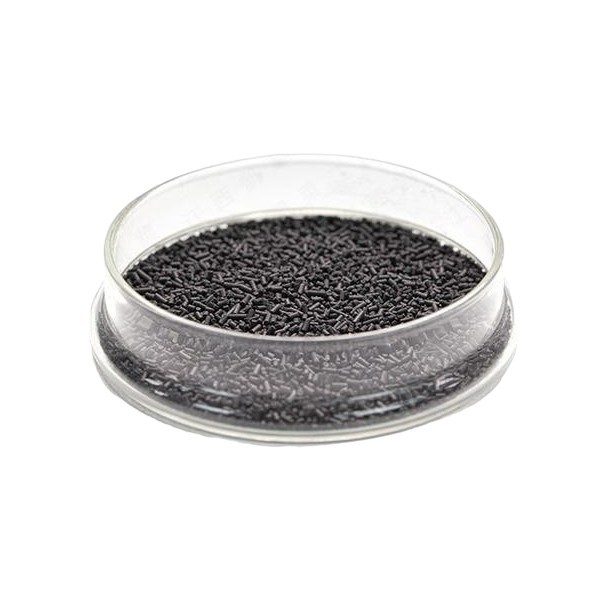
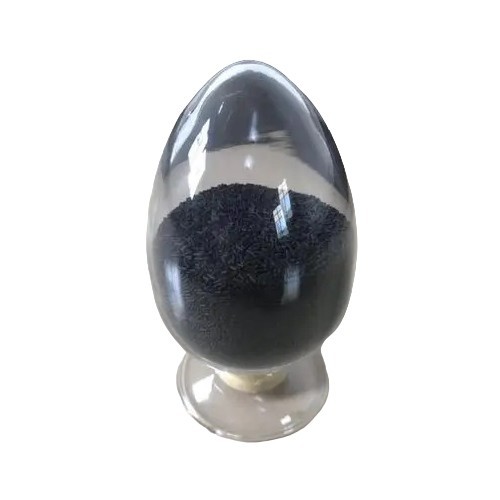
First things first, let's talk about what Carbon Molecular Sieve - 330 is and why stability matters. Carbon Molecular Sieve - 330 is a porous material that's used in a variety of applications, including gas separation and purification. Its unique structure allows it to selectively adsorb certain gases, making it an essential component in many industrial processes.
However, the performance of Carbon Molecular Sieve - 330 can be affected by a number of factors, including temperature, pressure, and humidity. If these conditions aren't carefully controlled, the sieve can become less effective, leading to reduced gas separation efficiency and increased operating costs.
Controlling Temperature
One of the most important factors in maintaining the stability of Carbon Molecular Sieve - 330 is temperature. Most carbon molecular sieves have an optimal operating temperature range, and operating outside of this range can cause the sieve to degrade over time.
For Carbon Molecular Sieve - 330, it's typically recommended to keep the temperature between 20°C and 40°C. If the temperature gets too high, the sieve can lose its adsorption capacity, while low temperatures can cause the sieve to become brittle and more prone to breakage.
To control the temperature, you can use a variety of methods, such as installing a temperature control system in your equipment or using insulation to keep the sieve at a consistent temperature. Additionally, make sure to monitor the temperature regularly to ensure that it stays within the recommended range.
Managing Pressure
Pressure is another critical factor that can affect the stability of Carbon Molecular Sieve - 330. High pressures can cause the sieve to compress, reducing its pore size and adsorption capacity. On the other hand, low pressures can lead to inefficient gas flow through the sieve, resulting in poor separation performance.
It's important to operate Carbon Molecular Sieve - 330 within the specified pressure range. This range is usually provided by the manufacturer and can vary depending on the specific application. To maintain the right pressure, you can use pressure regulators and monitors to ensure that the pressure remains stable.
Reducing Humidity
Humidity can also have a significant impact on the stability of Carbon Molecular Sieve - 330. Water molecules can compete with the target gas molecules for adsorption sites on the sieve, reducing its effectiveness. Additionally, high humidity can cause the sieve to absorb moisture, which can lead to corrosion and other forms of damage.
To reduce the impact of humidity, it's important to keep the sieve dry. You can use desiccants or moisture traps to remove moisture from the gas stream before it reaches the sieve. It's also a good idea to store the sieve in a dry environment when it's not in use.
Proper Installation and Maintenance
Proper installation and maintenance are key to ensuring the long - term stability of Carbon Molecular Sieve - 330. When installing the sieve, make sure to follow the manufacturer's instructions carefully. This includes proper packing of the sieve in the column or vessel to ensure uniform gas flow.
Regular maintenance is also essential. This can involve periodic inspection of the sieve for signs of wear or damage, as well as cleaning or regeneration of the sieve as needed. Cleaning can help remove any contaminants that may have accumulated on the sieve surface, while regeneration can restore its adsorption capacity.
Choosing the Right Carbon Molecular Sieve
In addition to the operating conditions, choosing the right type of Carbon Molecular Sieve - 330 for your specific application is crucial. Different sieves have different properties, such as pore size distribution and adsorption selectivity.
For example, if you're separating nitrogen from air, you'll want a sieve that has a high selectivity for nitrogen. You can also consider other products in our range, like Carbon Molecular Sieve - JXSEP®HG - 110ES and JXSEP®LG - 610 Carbon Molecular Sieve, which may offer different performance characteristics depending on your needs.
Conclusion
Enhancing the stability of Carbon Molecular Sieve - 330 under different operating conditions is essential for maximizing its performance and longevity. By controlling temperature, pressure, and humidity, and ensuring proper installation and maintenance, you can get the most out of this product.
If you're interested in learning more about our Carbon Molecular Sieve - 330 or any of our other products, don't hesitate to reach out for a purchase discussion. We're here to help you find the best solution for your specific application.
References
- Ruthven, D. M. Principles of Adsorption and Adsorption Processes. Wiley, 1984.
- Yang, R. T. Gas Separation by Adsorption Processes. Butterworths, 1987.