

Installing Carbon Molecular Sieve - JXF in a gas separation system is a crucial process that requires careful planning and execution. As a trusted supplier of Carbon Molecular Sieve - JXF, I am here to guide you through the installation process, ensuring that you achieve optimal performance and efficiency from your gas separation system.
Understanding Carbon Molecular Sieve - JXF
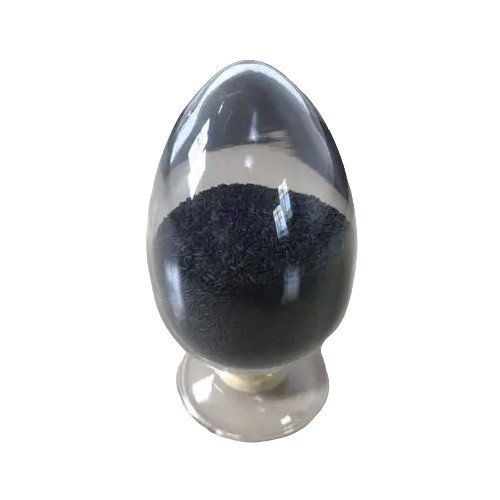
Before delving into the installation process, it's essential to understand what Carbon Molecular Sieve - JXF is and how it works. Carbon Molecular Sieve - JXF is a highly porous material specifically designed for gas separation applications. It has a unique pore structure that allows it to selectively adsorb certain gases based on their molecular size and shape. This property makes it ideal for separating nitrogen from air, as well as other gas mixtures.
There are different types of carbon molecular sieves available in the market, such as Carbon Molecular Sieve -330, JXSEP HG - 90 Carbon Molecular Sieve, and Carbon Molecular Sieve - JXSEP®HG - 110ES. Carbon Molecular Sieve - JXF offers excellent performance in terms of nitrogen purity, adsorption capacity, and cycle time, making it a popular choice for many gas separation systems.
Pre - installation Preparation
1. System Inspection
Before installing the Carbon Molecular Sieve - JXF, thoroughly inspect the gas separation system. Check for any signs of damage, leaks, or blockages in the pipes, valves, and vessels. Ensure that all components of the system are clean and in good working condition. Any existing issues should be resolved before proceeding with the installation.
2. Safety Precautions
Safety is of utmost importance when working with gas separation systems. Wear appropriate personal protective equipment (PPE), including safety glasses, gloves, and a respirator if necessary. Familiarize yourself with the safety procedures and emergency protocols related to the system. Make sure that all electrical connections are properly grounded to prevent electrical hazards.

3. Gather Tools and Materials
Collect all the necessary tools and materials for the installation. This may include wrenches, screwdrivers, hoists, and a sufficient quantity of Carbon Molecular Sieve - JXF. Ensure that the sieve is stored in a dry and clean environment to maintain its quality.
Installation Steps
1. Vessel Preparation
The first step in installing Carbon Molecular Sieve - JXF is to prepare the adsorption vessel. The vessel should be clean and free from any contaminants. Remove any old sieve material if present, and clean the interior of the vessel using a suitable solvent or cleaning agent. Rinse the vessel thoroughly with water and allow it to dry completely.
2. Support Layer Installation
A support layer is typically installed at the bottom of the adsorption vessel to prevent the Carbon Molecular Sieve - JXF from being washed out or damaged. The support layer can be made of ceramic balls or other suitable materials. Carefully pour the support layer into the vessel, ensuring an even distribution. The thickness of the support layer should be in accordance with the system design specifications.
3. Loading the Carbon Molecular Sieve - JXF
Once the support layer is in place, it's time to load the Carbon Molecular Sieve - JXF into the vessel. Use a hopper or other suitable equipment to pour the sieve evenly into the vessel. Take care to avoid creating voids or uneven distribution of the sieve. During the loading process, gently vibrate the vessel to ensure proper compaction of the sieve.
It's important to note that the loading rate should be controlled to prevent excessive dust generation. If necessary, use a dust collection system to maintain a clean working environment.
4. Top Layer Installation
After loading the Carbon Molecular Sieve - JXF, a top layer may be installed to protect the sieve from damage during operation. Similar to the support layer, the top layer can be made of ceramic balls or other suitable materials. Pour the top layer evenly over the sieve, ensuring that it covers the entire surface.
5. Sealing and Connection
Once the sieve and layers are in place, seal the adsorption vessel properly to prevent gas leakage. Check all the joints and connections for tightness. Connect the vessel to the rest of the gas separation system, including the inlet and outlet pipes, valves, and control systems.
Post - installation Checks
1. Pressure Test
After the installation is complete, conduct a pressure test on the gas separation system. This test helps to identify any leaks in the system. Gradually increase the pressure in the system to the operating pressure and hold it for a certain period. Check for any signs of pressure drop or gas leakage at the joints and connections.
2. System Commissioning
Once the pressure test is successful, start the system commissioning process. Gradually introduce the gas mixture into the system and monitor the performance of the Carbon Molecular Sieve - JXF. Check the nitrogen purity, flow rate, and other operating parameters. Adjust the system settings as necessary to achieve the desired performance.
3. Quality Monitoring
Regularly monitor the quality of the separated gas and the performance of the Carbon Molecular Sieve - JXF. Periodic analysis of the gas composition can help to detect any changes in the sieve's performance. If any issues are detected, take appropriate measures such as sieve replacement or system adjustment.
Maintenance and Troubleshooting
To ensure the long - term performance of the Carbon Molecular Sieve - JXF, regular maintenance is required. This includes cleaning the system, checking the pressure and flow rates, and inspecting the sieve for any signs of damage or degradation.
In case of any problems such as reduced nitrogen purity or increased pressure drop, conduct a thorough troubleshooting process. Check for any blockages in the system, damage to the sieve, or improper operation of the valves and controls.
Conclusion
Installing Carbon Molecular Sieve - JXF in a gas separation system is a complex but rewarding process. By following the steps outlined in this guide, you can ensure a smooth installation and optimal performance of your system. As a reliable supplier of Carbon Molecular Sieve - JXF, we are committed to providing high - quality products and technical support to our customers.
If you are interested in purchasing Carbon Molecular Sieve - JXF or need further assistance with the installation process, please feel free to contact us for procurement and negotiation. We look forward to working with you to meet your gas separation needs.
References
- Gas Separation Technology Handbook, Second Edition, edited by Richard W. Baker
- Carbon Molecular Sieves for Gas Separation: A Review, Journal of Chemical Technology and Biotechnology