

As a supplier of Carbon Molecular Sieve - JXH, I understand the significance of optimizing gas flow rate in various applications. Carbon Molecular Sieve - JXH is widely used in gas separation processes, especially in pressure swing adsorption (PSA) systems for nitrogen generation. In this blog, I will share some key points on how to optimize the gas flow rate when using Carbon Molecular Sieve - JXH.
Understanding the Basics of Carbon Molecular Sieve - JXH
Carbon Molecular Sieve - JXH is a highly porous material with a unique pore structure that allows it to selectively adsorb different gases based on their molecular size and diffusion rate. In PSA systems, the sieve adsorbs oxygen and other impurities from the feed gas, leaving behind a high - purity nitrogen stream.
The performance of Carbon Molecular Sieve - JXH is greatly affected by the gas flow rate. If the flow rate is too high, the sieve may not have enough time to adsorb the target gases effectively, resulting in lower purity of the product gas. On the other hand, if the flow rate is too low, the production capacity of the system will be reduced, and energy consumption may increase.
Factors Affecting Gas Flow Rate Optimization
1. Feed Gas Composition
The composition of the feed gas plays a crucial role in determining the optimal gas flow rate. Different gases have different adsorption characteristics on Carbon Molecular Sieve - JXH. For example, if the feed gas contains a high concentration of oxygen, a lower flow rate may be required to ensure complete adsorption. Additionally, the presence of other impurities such as moisture, carbon dioxide, and hydrocarbons can also affect the adsorption performance and thus the optimal flow rate.
2. Sieve Bed Design
The design of the sieve bed, including its size, shape, and packing density, can influence the gas flow pattern and the contact time between the gas and the sieve. A well - designed sieve bed can ensure uniform gas distribution and efficient adsorption. For instance, a taller and narrower sieve bed may provide a longer contact time between the gas and the sieve, allowing for better adsorption at a relatively higher flow rate.
3. Pressure and Temperature
Pressure and temperature are important operating parameters that affect the adsorption capacity of Carbon Molecular Sieve - JXH. Generally, higher pressures and lower temperatures favor adsorption. When optimizing the gas flow rate, it is necessary to consider the pressure and temperature conditions of the system. For example, at higher pressures, the sieve can adsorb more gas, which may allow for a higher flow rate.
Steps to Optimize Gas Flow Rate
1. Initial System Design
During the initial design of the PSA system, it is essential to select the appropriate type and amount of Carbon Molecular Sieve - JXH based on the desired product gas purity and production capacity. Our company offers a range of high - quality carbon molecular sieves, such as Carbon Molecular Sieve -330, Carbon Molecular Sieve - JXSEP®HG - 110, and Carbon Molecular Sieve - JXSEP®LG - 560, which can be tailored to different applications.
The sieve bed dimensions should be carefully calculated to ensure proper gas flow and adsorption. Computer - aided design (CAD) and simulation tools can be used to model the gas flow and adsorption processes in the sieve bed, helping to determine the optimal flow rate range.
2. Experimental Testing
Once the system is installed, experimental testing is necessary to fine - tune the gas flow rate. Start with a relatively low flow rate and gradually increase it while monitoring the product gas purity and production rate. Use gas analyzers to measure the composition of the product gas at different flow rates.
Record the data and plot the relationship between the flow rate, product gas purity, and production rate. Look for the maximum production rate that still meets the required product gas purity. This point represents the optimal gas flow rate under the current operating conditions.
3. Regular Monitoring and Adjustment
The operating conditions of the PSA system may change over time due to factors such as feed gas composition variations, sieve aging, and equipment wear. Therefore, regular monitoring of the system performance is essential.
Install sensors to continuously monitor the gas flow rate, pressure, temperature, and product gas purity. If any significant changes are detected, adjust the gas flow rate accordingly. For example, if the feed gas composition changes to contain more impurities, the flow rate may need to be reduced to maintain the product gas purity.
Case Study: Optimizing Gas Flow Rate in a Nitrogen Generation Plant
Let's consider a nitrogen generation plant that uses Carbon Molecular Sieve - JXH in a PSA system. The initial design of the system was based on a feed gas with a certain composition and a target nitrogen purity of 99.9%.
During the experimental testing phase, the operators started with a low flow rate of 10 m³/h and gradually increased it. They found that as the flow rate increased from 10 m³/h to 20 m³/h, the nitrogen purity remained stable at 99.9%. However, when the flow rate was further increased to 25 m³/h, the nitrogen purity started to decline.
Based on these results, the optimal gas flow rate was determined to be around 20 m³/h. Over time, the feed gas composition changed slightly, and the operators noticed a decrease in nitrogen purity. By reducing the flow rate to 18 m³/h, they were able to restore the nitrogen purity to the desired level.
Conclusion
Optimizing the gas flow rate when using Carbon Molecular Sieve - JXH is a complex but crucial task that requires a comprehensive understanding of the sieve properties, system design, and operating conditions. By following the steps outlined in this blog, you can achieve a balance between product gas purity and production capacity, improving the efficiency and performance of your PSA system.
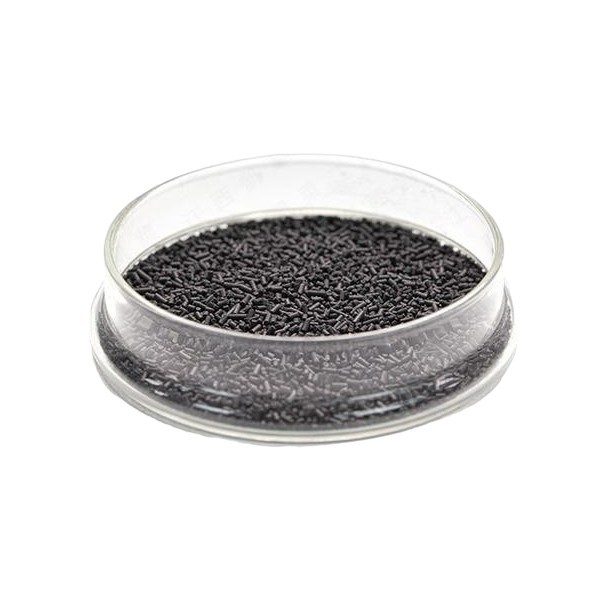

If you are interested in purchasing high - quality Carbon Molecular Sieve - JXH for your gas separation applications, please feel free to contact us for more information and to discuss your specific requirements. We are committed to providing you with the best products and technical support to help you optimize your gas separation processes.
References
- Ruthven, D. M., Farooq, S., & Knaebel, K. S. (1994). Pressure Swing Adsorption. John Wiley & Sons.
- Yang, R. T. (1987). Gas Separation by Adsorption Processes. Butterworth Publishers.