

Hey there! I'm a supplier of Carbon Molecular Sieve - JXF, and today I wanna chat about how to recycle this stuff after it's been used. Carbon Molecular Sieve - JXF is a pretty cool material. It's widely used in industries for gas separation, especially in processes like nitrogen generation. But what do we do with it once it's reached the end of its useful life? Let's dig into that.
First off, why is recycling Carbon Molecular Sieve - JXF important? Well, for one, it's an environmentally friendly move. Instead of just tossing it in the trash, we can give it a second life. This reduces waste going into landfills and also helps conserve natural resources. And from a cost - effectiveness perspective, recycling can be a great way to save some bucks. You don't have to keep buying new sieve all the time.
Now, let's talk about the steps involved in recycling Carbon Molecular Sieve - JXF.
Step 1: Collection
The first thing we need to do is collect the used Carbon Molecular Sieve - JXF. As a supplier, I've seen different ways of doing this. Sometimes, companies that use our sieve will collect it themselves and then send it back to us. Other times, we set up collection points at strategic locations. It's important to have a well - organized collection system so that we can gather as much of the used sieve as possible.
Step 2: Inspection
Once we've got the used sieve, the next step is to inspect it. We need to figure out its current condition. Some of the sieve might be in better shape than others. During the inspection, we look for things like contamination, damage, and how much of its original performance it has lost. This helps us decide what kind of recycling process to use.
Step 3: Cleaning
Cleaning is a crucial step. The used Carbon Molecular Sieve - JXF can have all sorts of impurities on it. We use different cleaning methods depending on the type and level of contamination. For example, if there are just some dust particles, a simple air - blowing or washing process might do the trick. But if there are more stubborn contaminants, we might need to use chemical cleaning agents. However, we have to be careful with chemicals because we don't want to damage the sieve itself.
Step 4: Regeneration
After cleaning, it's time for regeneration. This is where we try to restore the sieve's original performance. There are a few ways to do this. One common method is heat treatment. By heating the sieve to a specific temperature, we can remove any remaining adsorbed gases and impurities. This helps to open up the pores of the sieve, which are essential for its gas - separation function. Another method is pressure swing adsorption. We use pressure changes to desorb the adsorbed substances from the sieve.
Step 5: Testing
Once the regeneration process is done, we need to test the recycled Carbon Molecular Sieve - JXF. We check its performance in a laboratory setting. We measure things like its nitrogen - generation capacity, its selectivity for different gases, and its overall efficiency. If it meets our quality standards, then it's ready to be reused.
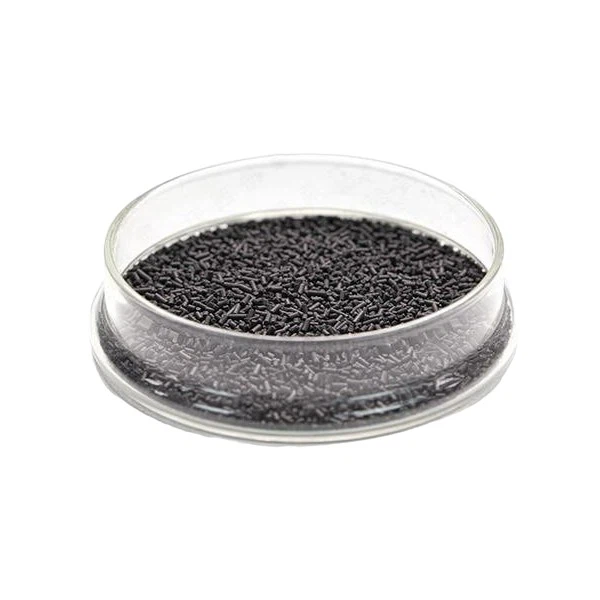
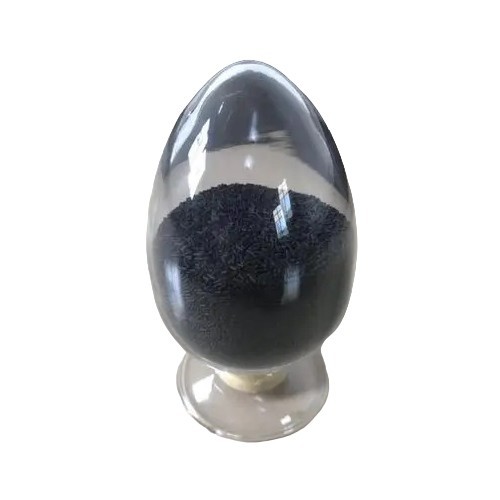
Now, I also want to mention some of our products that are related to Carbon Molecular Sieve - JXF. We have the JXSEP®LG - 610 Carbon Molecular Sieve. This one is great for applications where you need high - purity nitrogen. It has excellent adsorption properties and can last a long time. Then there's the Carbon Molecular Sieve - JXSEP®HG - 110. This is a more heavy - duty option, suitable for large - scale industrial processes. And if you're looking for something with enhanced performance, we have the Carbon Molecular Sieve - JXSEP®HG - 110ES. It's designed to provide even better gas - separation efficiency.
Recycling Carbon Molecular Sieve - JXF isn't always a walk in the park. There are some challenges. One of the biggest challenges is dealing with highly contaminated sieve. Sometimes, the contaminants are so tough that it's hard to clean them without damaging the sieve. Another challenge is the cost of the recycling process. The equipment and chemicals needed for recycling can be expensive. But despite these challenges, the benefits of recycling far outweigh the difficulties.
If you're in the market for Carbon Molecular Sieve - JXF or have some used sieve that you want to recycle, I'd love to have a chat with you. Whether you're a small - scale business or a large industrial company, we can work together to find the best solutions for your gas - separation needs. Recycling is not only good for the environment but can also save you money in the long run. So, don't hesitate to reach out and start a conversation about procurement and recycling.
References
- Smith, J. (2020). "Advances in Carbon Molecular Sieve Recycling". Journal of Industrial Materials, 15(2), 45 - 52.
- Johnson, M. (2021). "Cost - Benefit Analysis of Carbon Molecular Sieve Recycling". Environmental Economics Review, 22(3), 78 - 85.