

As a seasoned supplier of Carbon Molecular Sieves, I've witnessed firsthand the critical role these materials play in nitrogen generation. Nitrogen generators based on carbon molecular sieves are widely used across various industries, from food packaging to electronics manufacturing, due to their efficiency and reliability. However, ensuring the purity of the nitrogen produced is of utmost importance. In this blog post, I'll share some insights on how to test the nitrogen purity of carbon molecular sieve - based nitrogen generators.
Understanding the Basics of Carbon Molecular Sieves
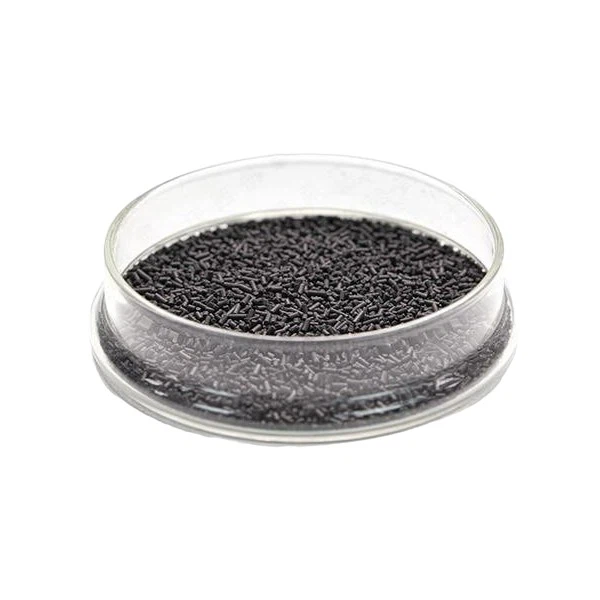
Before delving into the testing methods, it's essential to understand what carbon molecular sieves are and how they work in nitrogen generators. Carbon molecular sieves are porous materials with a unique structure that allows them to selectively adsorb different gases based on their molecular size and shape. In nitrogen generators, they preferentially adsorb oxygen from the air, leaving behind a stream of nitrogen with a high degree of purity.
We offer a range of high - quality carbon molecular sieves, such as Carbon Molecular Sieve -330, JXSEP®LG - 610 Carbon Molecular Sieve, and Carbon Molecular Sieve - JXSEP®HG - 110. These products are designed to provide excellent performance in nitrogen generation, with high adsorption capacity and long service life.
Importance of Nitrogen Purity Testing
The purity of nitrogen produced by a carbon molecular sieve - based nitrogen generator can significantly impact the quality of the end - product in many applications. For example, in the food packaging industry, high - purity nitrogen is used to displace oxygen, which helps to extend the shelf life of food products by preventing oxidation and microbial growth. If the nitrogen purity is not high enough, the food may spoil more quickly, leading to product losses and potential health risks.
In the electronics manufacturing industry, nitrogen is used in soldering and other processes to prevent oxidation of electronic components. Impure nitrogen can cause defects in the soldering joints, leading to reduced product reliability and increased manufacturing costs. Therefore, regular testing of nitrogen purity is crucial to ensure the smooth operation of these processes and the quality of the final products.
Methods for Testing Nitrogen Purity
1. Oxygen Analyzers
One of the most common methods for testing nitrogen purity is by using an oxygen analyzer. Oxygen analyzers work by measuring the amount of oxygen in the nitrogen stream. Since nitrogen purity is often expressed as the percentage of nitrogen in the gas mixture, and the remaining part is mainly oxygen, measuring the oxygen content can indirectly determine the nitrogen purity.

There are different types of oxygen analyzers available, including electrochemical, paramagnetic, and zirconia - based analyzers. Electrochemical oxygen analyzers are relatively inexpensive and easy to use, making them a popular choice for many applications. They work by measuring the electrical current generated by the reaction of oxygen with an electrolyte.
Paramagnetic oxygen analyzers are more accurate and have a faster response time compared to electrochemical analyzers. They are based on the principle that oxygen is paramagnetic, meaning it is attracted to a magnetic field. By measuring the change in the magnetic field caused by the presence of oxygen, the analyzer can determine the oxygen concentration.
Zirconia - based oxygen analyzers are suitable for high - temperature and high - purity applications. They operate based on the conductivity of oxygen ions in a zirconia ceramic electrolyte at high temperatures.
2. Thermal Conductivity Analyzers
Thermal conductivity analyzers can also be used to measure nitrogen purity. These analyzers work by measuring the thermal conductivity of the gas mixture. Different gases have different thermal conductivities, and by comparing the thermal conductivity of the sample gas with that of a reference gas (usually pure nitrogen), the analyzer can determine the purity of the nitrogen.
Thermal conductivity analyzers are relatively simple and cost - effective. However, they are less accurate than oxygen analyzers, especially when the gas mixture contains other components besides nitrogen and oxygen.
3. Gas Chromatography
Gas chromatography is a more sophisticated method for analyzing the composition of a gas mixture. It involves separating the different components of the gas mixture based on their physical and chemical properties and then detecting and quantifying each component.
In gas chromatography, the gas sample is injected into a column filled with a stationary phase. As the gas travels through the column, different components are retained for different lengths of time, depending on their interaction with the stationary phase. At the end of the column, a detector measures the amount of each component as it elutes from the column.
Gas chromatography can provide very accurate and detailed information about the composition of the gas mixture, including the presence of trace impurities. However, it is a more complex and expensive method compared to oxygen analyzers and thermal conductivity analyzers, and it requires trained personnel to operate.
Steps for Conducting a Nitrogen Purity Test
1. Sampling
The first step in testing nitrogen purity is to obtain a representative sample of the nitrogen stream. The sampling point should be carefully selected to ensure that the sample accurately reflects the composition of the nitrogen being used in the process. It is recommended to take the sample downstream of any filters or dryers to avoid any contamination.
The sampling device should be clean and free of any moisture or other contaminants. A stainless - steel or Teflon sampling tube can be used to collect the gas sample. The sample should be collected at a stable flow rate to ensure accurate measurement.
2. Calibration of the Analyzer
Before conducting the test, the analyzer should be calibrated using a known reference gas. This ensures that the analyzer provides accurate and reliable results. The calibration gas should have a known composition and be traceable to a national or international standard.
The calibration process may vary depending on the type of analyzer being used. For example, in the case of an oxygen analyzer, the analyzer may need to be calibrated with a zero gas (usually pure nitrogen) and a span gas (a gas with a known oxygen concentration).
3. Measurement
Once the analyzer is calibrated and the sample is collected, the measurement can be carried out. The analyzer should be allowed to stabilize for a few minutes before taking the measurement to ensure accurate results. The measurement should be repeated several times to ensure the consistency of the results.
4. Interpretation of Results
After obtaining the measurement results, the nitrogen purity can be calculated based on the oxygen concentration or the results from the gas chromatography analysis. If the nitrogen purity does not meet the required specifications, appropriate actions should be taken, such as adjusting the operating parameters of the nitrogen generator or replacing the carbon molecular sieve.
Maintenance and Troubleshooting
Regular maintenance of the nitrogen generator and the testing equipment is essential to ensure accurate and reliable nitrogen purity testing. The carbon molecular sieve in the nitrogen generator should be inspected regularly for signs of wear and tear, and replaced if necessary.
The testing equipment, such as oxygen analyzers and thermal conductivity analyzers, should be calibrated regularly to ensure their accuracy. Any malfunction or abnormal reading should be investigated promptly, and the equipment should be repaired or replaced if needed.
Conclusion
Testing the nitrogen purity of carbon molecular sieve - based nitrogen generators is a critical step in ensuring the quality of the nitrogen produced and the smooth operation of various industrial processes. By using appropriate testing methods, such as oxygen analyzers, thermal conductivity analyzers, or gas chromatography, and following the proper testing procedures, you can accurately determine the nitrogen purity and take appropriate actions to maintain the required purity levels.
As a leading supplier of carbon molecular sieves, we are committed to providing our customers with high - quality products and technical support. If you have any questions about nitrogen purity testing or need assistance in selecting the right carbon molecular sieve for your application, please feel free to contact us for a detailed discussion. We look forward to working with you to meet your nitrogen generation needs.
References
- Perry, R. H., & Green, D. W. (Eds.). (2007). Perry's Chemical Engineers' Handbook. McGraw - Hill.
- Kohl, A. L., & Nielsen, R. B. (1997). Gas Purification. Gulf Publishing Company.
- American Society for Testing and Materials (ASTM). (2019). Standard Test Methods for Analysis of Gases. ASTM International.