

Carbon molecular sieves (CMS) are widely used in gas separation processes due to their excellent adsorption properties and high selectivity. As a leading supplier of carbon molecular sieves, we have in - depth knowledge of the gas separation processes using CMS and the by - products generated during these operations.
1. Introduction to Carbon Molecular Sieves in Gas Separation
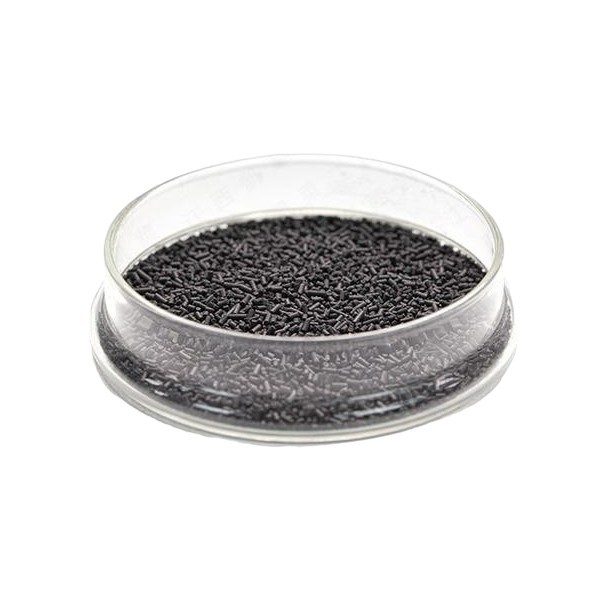
Carbon molecular sieves are microporous carbon materials with a narrow pore size distribution. They work based on the principle of kinetic separation, where different gas molecules diffuse through the pores at different rates. This property allows them to separate gases such as nitrogen from air, carbon dioxide from methane, and hydrogen from other gas mixtures.
Our company offers a range of high - quality carbon molecular sieves, including Carbon Molecular Sieve - JXSEP®HG - 110ES, Carbon Molecular Sieve - JXSEP®LG - 560, and JXSEP®LG - 610 Carbon Molecular Sieve. These products have been optimized for various gas separation applications, providing high efficiency and long - term stability.
2. By - products in Nitrogen Generation from Air
One of the most common applications of carbon molecular sieves is in the production of nitrogen from air. In this process, air is compressed and passed through a bed of carbon molecular sieve. Oxygen molecules, being smaller and more polar, diffuse more rapidly into the pores of the CMS and are adsorbed, while nitrogen molecules pass through the bed and are collected as the product gas.
2.1 Oxygen - rich Stream
The primary by - product in this process is an oxygen - rich stream. As the CMS selectively adsorbs oxygen, the gas that is not adsorbed and exits the adsorption bed is enriched in nitrogen, and the oxygen that is desorbed during the regeneration cycle forms an oxygen - rich stream. This oxygen - rich gas can have an oxygen concentration of up to 90 - 95%.
The oxygen - rich stream can be used in several applications. In the chemical industry, it can be used for oxidation reactions, such as in the production of chemicals like ethylene oxide. In the wastewater treatment industry, it can be used to enhance the aeration process, improving the efficiency of biological treatment.
2.2 Moisture and Impurities
During the air separation process, moisture and other impurities present in the incoming air can also be adsorbed by the carbon molecular sieve. When the CMS is regenerated, these adsorbed moisture and impurities are released as part of the desorbed gas. The moisture content in the desorbed gas can vary depending on the humidity of the incoming air.
To deal with these by - products, proper pre - treatment of the incoming air is essential. This can include the use of filters to remove particulate matter and dryers to reduce the moisture content. Additionally, the desorbed gas containing moisture and impurities can be vented to the atmosphere or further treated to recover any valuable components.
3. By - products in Carbon Dioxide Separation from Methane
Carbon molecular sieves are also used in the separation of carbon dioxide from methane, which is important in natural gas purification and biogas upgrading. In this process, the CMS adsorbs carbon dioxide more strongly than methane due to differences in their molecular size and polarity.
3.1 Carbon Dioxide - rich Stream
The main by - product is a carbon dioxide - rich stream. After the adsorption process, the carbon dioxide that is desorbed from the CMS forms a stream with a high carbon dioxide concentration. This carbon dioxide - rich gas can be captured and used in various applications. For example, it can be used in the food and beverage industry for carbonation, in the oil and gas industry for enhanced oil recovery, or in the chemical industry for the production of urea and other chemicals.
3.2 Trace Hydrocarbons
In addition to carbon dioxide, the desorbed stream may also contain trace amounts of hydrocarbons. These hydrocarbons are present because some of the methane and other hydrocarbon molecules may be adsorbed along with carbon dioxide, especially if the gas mixture has a high hydrocarbon content.
To recover these trace hydrocarbons, further separation processes such as cryogenic separation or membrane separation can be employed. This not only helps in reducing the environmental impact but also allows for the recovery of valuable hydrocarbon resources.

4. By - products in Hydrogen Separation
In hydrogen separation processes using carbon molecular sieves, the CMS is used to separate hydrogen from other gas components such as carbon monoxide, carbon dioxide, and nitrogen in a gas mixture.
4.1 Impurity - rich Stream
The by - product is an impurity - rich stream that contains the gases that are adsorbed by the CMS. This stream can include carbon monoxide, carbon dioxide, and nitrogen, depending on the composition of the feed gas.
The impurity - rich stream can be further processed to recover valuable components. For example, carbon monoxide can be used in the production of chemicals such as methanol, and carbon dioxide can be captured and utilized as mentioned earlier.
4.2 Heat Generation
Another by - product in the hydrogen separation process is heat. The adsorption and desorption processes in the CMS are exothermic and endothermic, respectively. During the adsorption step, heat is released, and during the desorption step, heat is absorbed. This heat can be managed and utilized in the overall process. For example, the heat released during adsorption can be used to pre - heat the incoming feed gas, improving the energy efficiency of the separation process.
5. Impact of By - products on the Environment and Process Economics
The by - products generated during gas separation using carbon molecular sieves can have both environmental and economic impacts.
5.1 Environmental Impact
The release of by - products such as carbon dioxide and trace hydrocarbons into the atmosphere can contribute to greenhouse gas emissions and air pollution. However, by capturing and utilizing these by - products, the environmental impact can be significantly reduced. For example, the use of carbon dioxide in enhanced oil recovery or chemical production helps in sequestering carbon dioxide and reducing its release into the atmosphere.
5.2 Process Economics
The management and utilization of by - products can also have a positive impact on the process economics. The sale or reuse of valuable by - products such as oxygen, carbon dioxide, and trace hydrocarbons can offset the cost of the gas separation process. Additionally, the recovery of heat and its utilization in the process can reduce the energy consumption, further improving the economic viability of the gas separation operation.
6. Conclusion and Call to Action
In conclusion, the use of carbon molecular sieves in gas separation generates several by - products, each with its own characteristics and potential applications. As a carbon molecular sieve supplier, we understand the importance of managing these by - products effectively to ensure both environmental sustainability and economic efficiency.
If you are interested in using our high - quality carbon molecular sieves for your gas separation applications or want to discuss the management of by - products in your specific process, we encourage you to contact us for procurement and technical discussions. Our team of experts is ready to provide you with the best solutions tailored to your needs.
References
- Yang, R. T. (1987). Gas Separation by Adsorption Processes. Butterworths.
- Ruthven, D. M., Farooq, S., & Knaebel, K. S. (1994). Pressure Swing Adsorption. VCH Publishers.
- Sircar, S., & Golden, T. C. (2000). Adsorption Separations in the Chemical and Petrochemical Industries. AIChE Journal, 46(2), 203 - 212.