

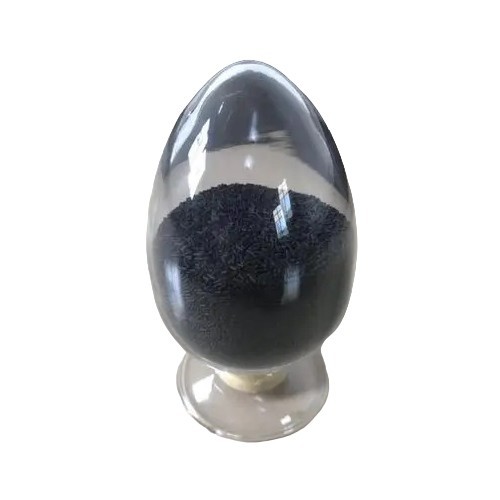
Carbon molecular sieves (CMS) are porous carbon materials with a narrow pore size distribution, which are widely used in gas separation processes, especially for the separation of nitrogen from air in pressure swing adsorption (PSA) systems. As a leading supplier of carbon molecular sieves, we understand the importance of purity in these materials. In this blog post, we will explore the common impurities found in carbon molecular sieves and their potential impacts on performance.
Types of Impurities in Carbon Molecular Sieves
Inorganic Impurities
Inorganic impurities in carbon molecular sieves mainly come from the raw materials used in the manufacturing process and the production environment. These impurities can include metals such as iron (Fe), aluminum (Al), silicon (Si), and calcium (Ca), as well as non - metallic compounds like silica (SiO₂), alumina (Al₂O₃), and calcium oxide (CaO).
- Sources: The raw materials for CMS production, such as coal, coconut shells, or phenolic resins, may contain various inorganic minerals. During the carbonization and activation processes, these minerals can remain in the final product. Additionally, the equipment used in the production process may introduce metal contaminants through wear and tear.
- Impacts: Inorganic impurities can block the pores of the carbon molecular sieve, reducing its effective surface area and pore volume. This can lead to a decrease in the adsorption capacity and selectivity of the CMS for gas separation. For example, iron impurities can catalyze unwanted chemical reactions during the gas separation process, which may cause the degradation of the adsorbent over time.
Organic Impurities
Organic impurities are usually residues from the incomplete carbonization or decomposition of the raw materials. These can include unreacted organic compounds, tar, and other hydrocarbon by - products.
- Sources: If the carbonization temperature is not high enough or the carbonization time is insufficient, some organic matter in the raw materials may not be completely converted into carbon. Also, side reactions during the activation process can generate organic by - products.
- Impacts: Organic impurities can also block the pores of the carbon molecular sieve, similar to inorganic impurities. Moreover, they can be desorbed during the gas separation process, leading to contamination of the separated gas. For instance, in a nitrogen generation system, the presence of organic impurities in the CMS can result in the release of trace amounts of hydrocarbons into the produced nitrogen, which is unacceptable in applications where high - purity nitrogen is required, such as in the electronics and food industries.
Moisture
Moisture is a common impurity in carbon molecular sieves. It can be adsorbed from the surrounding environment during storage and transportation.
- Sources: Carbon molecular sieves have a high surface area and are hygroscopic, meaning they can easily adsorb water vapor from the air. If the storage conditions are not properly controlled, such as high humidity or improper packaging, the CMS can absorb a significant amount of moisture.
- Impacts: Moisture can occupy the adsorption sites on the carbon molecular sieve, reducing its ability to adsorb the target gas. In a PSA nitrogen generation system, the presence of moisture can cause a decrease in the nitrogen purity and flow rate. Additionally, moisture can react with some of the impurities in the CMS, such as metal oxides, to form hydroxides, which can further damage the structure of the adsorbent.
Quality Control and Purity Improvement
As a supplier of carbon molecular sieves, we implement strict quality control measures to minimize the presence of impurities in our products.
- Raw Material Selection: We carefully select high - quality raw materials with low inorganic and organic impurity contents. For example, we source coal and coconut shells from reliable suppliers and conduct thorough testing before using them in production.
- Production Process Optimization: We optimize the carbonization and activation processes to ensure complete conversion of the raw materials into carbon and to minimize the generation of impurities. This includes controlling the temperature, time, and atmosphere during each stage of the production process.
- Purification Steps: After the production of the carbon molecular sieve, we may use additional purification methods to remove impurities. For example, we can use acid washing to remove inorganic impurities or heat treatment under a controlled atmosphere to remove organic impurities.
Our Carbon Molecular Sieve Products
We offer a range of high - quality carbon molecular sieve products, including Carbon Molecular Sieve - JXSEP®HG - 110ES, Carbon Molecular Sieve - JXSEP®HG - 110, and JXSEP HG - 90 Carbon Molecular Sieve. These products are carefully manufactured to have low impurity levels, ensuring high adsorption capacity, selectivity, and long - term stability for gas separation applications.
Contact Us for Procurement
If you are interested in our carbon molecular sieve products and would like to discuss your specific requirements, please feel free to contact us. We have a team of experienced professionals who can provide you with detailed technical information and support to help you choose the most suitable product for your application. Whether you need a small - scale trial or a large - scale supply, we are committed to meeting your needs with high - quality products and excellent service.

References
- Yang, R. T. (1987). Gas Separation by Adsorption Processes. Butterworths.
- Suuberg, E. M., & Flagan, R. C. (1989). Activation of carbon molecular sieves. Carbon, 27(1), 13 - 20.
- Ruthven, D. M., Farooq, S., & Knaebel, K. S. (1994). Pressure Swing Adsorption. VCH Publishers.