

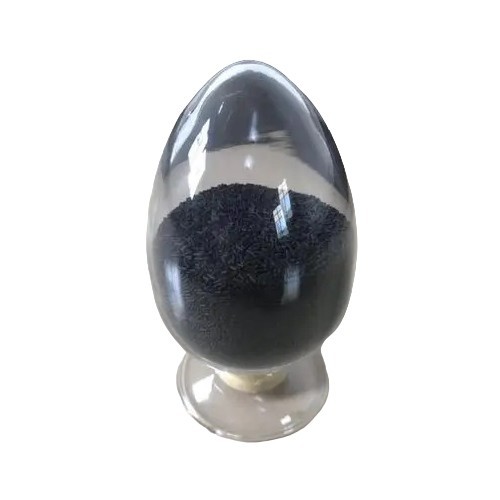
As a supplier of Carbon Molecular Sieve - JXH, I've witnessed firsthand the remarkable properties and versatility of this product. Carbon Molecular Sieve - JXH is a high - performance adsorbent known for its excellent separation capabilities, especially in the field of gas separation. But what happens when we combine it with other adsorbents? In this blog, we'll explore the various effects of such combinations.
Enhanced Adsorption Capacity
One of the most significant effects of combining Carbon Molecular Sieve - JXH with other adsorbents is the potential for enhanced adsorption capacity. Different adsorbents have different affinities for various gases and substances. For example, activated carbon is well - known for its ability to adsorb a wide range of organic compounds. When we combine Carbon Molecular Sieve - JXH with activated carbon, we can create a composite adsorbent that can handle both the specific gas separation tasks that Carbon Molecular Sieve - JXH excels at, such as separating nitrogen from oxygen in air, and the adsorption of organic pollutants that activated carbon is good at.
The pore structure of Carbon Molecular Sieve - JXH is designed to selectively adsorb certain molecules based on their size and shape. It has a narrow pore size distribution, which allows it to effectively separate molecules with different kinetic diameters. On the other hand, activated carbon has a more complex and wide - ranging pore structure, including micropores, mesopores, and macropores. This combination can lead to a broader spectrum of adsorption. For instance, in a gas purification process, the Carbon Molecular Sieve - JXH can first separate the major components of the gas mixture based on size exclusion, and then the activated carbon can adsorb any remaining trace impurities, such as volatile organic compounds (VOCs).

Improved Selectivity
Selectivity is a crucial factor in adsorption processes. Carbon Molecular Sieve - JXH already has a high degree of selectivity for certain gas molecules. However, by combining it with other adsorbents, we can further fine - tune the selectivity. For example, zeolites are another type of adsorbent with unique pore structures and ion - exchange properties. When combined with Carbon Molecular Sieve - JXH, zeolites can help in selectively adsorbing polar molecules.
In a natural gas purification process, Carbon Molecular Sieve - JXH can be used to separate nitrogen and oxygen from the natural gas. But natural gas may also contain small amounts of water vapor and carbon dioxide. Zeolites can be added to the combination to selectively adsorb these polar molecules. The combination of Carbon Molecular Sieve - JXH and zeolites creates a more efficient and selective adsorbent system that can meet the strict purity requirements of natural gas for various applications, such as in the petrochemical industry.
Extended Adsorbent Lifespan
Adsorbents can become saturated over time, which reduces their effectiveness. By combining Carbon Molecular Sieve - JXH with other adsorbents, we can potentially extend the overall lifespan of the adsorbent system. Different adsorbents have different adsorption mechanisms and capacities. When they work together, they can share the adsorption load.
For example, in a pressure swing adsorption (PSA) system for nitrogen generation, Carbon Molecular Sieve - JXH is the primary adsorbent for separating nitrogen from oxygen. However, if there are other impurities in the feed air, such as oil mist or dust, these can gradually accumulate on the surface of the Carbon Molecular Sieve - JXH and reduce its performance. By adding a pre - adsorbent, such as a silica gel, to the system, the silica gel can adsorb the oil mist and dust, protecting the Carbon Molecular Sieve - JXH from premature fouling. This way, the lifespan of the Carbon Molecular Sieve - JXH is extended, and the overall efficiency of the PSA system is maintained for a longer period.
Cost - effectiveness
Combining Carbon Molecular Sieve - JXH with other adsorbents can also lead to cost - effectiveness. Some adsorbents may be more expensive than others. By using a combination, we can achieve the desired adsorption performance while using less of the more expensive adsorbent.
For example, Carbon Molecular Sieve -330 is a high - performance adsorbent, but it may be relatively costly. By combining it with a less expensive adsorbent like alumina, we can achieve similar adsorption results at a lower cost. Alumina has good adsorption properties for water and some acidic gases. In a gas drying process, a small amount of Carbon Molecular Sieve -330 can be combined with a larger amount of alumina. The Carbon Molecular Sieve -330 can handle the more difficult - to - adsorb components, while the alumina takes care of the bulk of the water adsorption, resulting in a cost - effective solution.
Different Combination Examples
- Combination with JXSEP®LG - 610 Carbon Molecular Sieve: These two types of carbon molecular sieves may have slightly different pore characteristics. Combining them can create a more optimized pore structure for specific gas separation tasks. For example, in a nitrogen - oxygen separation process, the combination can improve the separation efficiency and the purity of the produced nitrogen.
- Combination with Carbon Molecular Sieve - JXSEP®HG - 110ES: This combination can be beneficial in applications where high - pressure and high - temperature conditions are involved. Each type of carbon molecular sieve may have different stabilities under such extreme conditions. By combining them, we can create an adsorbent system that can withstand these harsh environments while still maintaining good adsorption performance.
Conclusion
The effects of combining Carbon Molecular Sieve - JXH with other adsorbents are numerous and significant. From enhanced adsorption capacity and improved selectivity to extended adsorbent lifespan and cost - effectiveness, these combinations offer a wide range of benefits in various adsorption processes. Whether it's for gas separation, purification, or drying, the right combination of adsorbents can lead to more efficient and effective systems.
If you're interested in exploring the potential of Carbon Molecular Sieve - JXH and its combinations with other adsorbents for your specific application, I encourage you to reach out for a detailed discussion. We can work together to find the best solution for your needs.
References
- Yang, R. T. (1987). Gas Separation by Adsorption Processes. Butterworth Publishers.
- Ruthven, D. M., Farooq, S., & Knaebel, K. S. (1994). Pressure Swing Adsorption. VCH Publishers.
- Sircar, S., & Golden, T. C. (2005). Adsorption and Ion Exchange. Kirk - Othmer Encyclopedia of Chemical Technology.