

Hey there! As a supplier of carbon molecular sieve, I've been closely following the industry trends and thinking about the future prospects of this amazing material. So, let's dive right in and explore what lies ahead for carbon molecular sieve.
Current State of Carbon Molecular Sieve
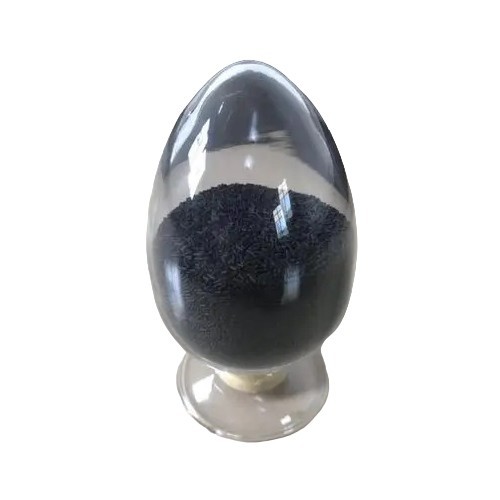
First off, let's talk about what carbon molecular sieve is and what it's used for right now. Carbon molecular sieve is a porous material made from carbon. It has a unique pore structure that allows it to selectively adsorb different gases based on their molecular size and shape. This property makes it super useful in gas separation processes.
One of the most common applications of carbon molecular sieve is in pressure swing adsorption (PSA) systems for nitrogen generation. In these systems, carbon molecular sieve adsorbs oxygen from the air, leaving behind a high - purity nitrogen stream. This nitrogen is then used in a wide range of industries, such as food packaging, electronics manufacturing, and chemical processing.
Another important application is in the separation of carbon dioxide from other gases. With the growing concern about climate change, there's a huge demand for technologies that can capture and store carbon dioxide. Carbon molecular sieve can play a key role in this process by selectively adsorbing carbon dioxide from flue gases or other industrial emissions.
Future Market Trends
Looking ahead, I think the market for carbon molecular sieve is going to keep growing. One of the main drivers is the increasing demand for high - purity gases in various industries. As technology advances, the requirements for gas purity are getting stricter. For example, in the semiconductor industry, even a tiny amount of impurities in the gas can cause defects in the manufacturing process. Carbon molecular sieve can provide a reliable and cost - effective way to produce high - purity gases.
The renewable energy sector is also going to be a major growth area. With the expansion of wind and solar power, there's a need for energy storage solutions. One promising option is to use hydrogen as an energy carrier. Carbon molecular sieve can be used in the purification of hydrogen, removing impurities such as carbon monoxide and carbon dioxide. This will make hydrogen a more viable option for energy storage and transportation.
In addition, the push for environmental sustainability is going to create more opportunities for carbon molecular sieve. As mentioned earlier, it can be used in carbon capture and storage technologies. Governments around the world are implementing policies to reduce greenhouse gas emissions, and companies are looking for ways to comply with these regulations. Carbon molecular sieve provides an efficient and practical solution for capturing carbon dioxide from industrial sources.
Technological Advancements
On the technological front, there are some exciting developments on the horizon. Researchers are constantly working on improving the performance of carbon molecular sieve. For example, they're trying to increase the adsorption capacity and selectivity of the material. This can be achieved by modifying the pore structure or surface properties of the carbon molecular sieve.
Another area of research is the development of new synthesis methods. Traditional methods of producing carbon molecular sieve can be energy - intensive and expensive. New synthesis techniques, such as using biomass as a raw material, could make the production process more sustainable and cost - effective.
There's also a trend towards the integration of carbon molecular sieve with other materials or technologies. For example, combining carbon molecular sieve with membranes can enhance the gas separation efficiency. This hybrid approach can take advantage of the unique properties of both materials and provide better performance than using either one alone.
Our Product Range
As a supplier, we offer a wide range of carbon molecular sieve products to meet the diverse needs of our customers. One of our popular products is the Carbon Molecular Sieve -330. It has excellent adsorption performance and is suitable for nitrogen generation in various industrial applications.
We also have the Carbon Molecular Sieve-JXSEP®HG-110ES. This product is designed for high - purity gas separation and has a long service life. It can provide reliable performance even in harsh operating conditions.
And then there's the JXSEP HG-90 Carbon Molecular Sieve. It's a high - quality product that offers good selectivity and adsorption capacity. It's widely used in carbon dioxide separation and other gas purification processes.
Challenges and Opportunities
Of course, the future of carbon molecular sieve isn't all rosy. There are some challenges that we need to overcome. One of the main challenges is the competition from other gas separation technologies. For example, membrane separation and cryogenic distillation are also widely used for gas separation. We need to continuously improve the performance and cost - effectiveness of our carbon molecular sieve products to stay competitive.
Another challenge is the raw material supply. The production of carbon molecular sieve requires high - quality carbon sources. Any disruption in the supply of these raw materials can affect our production capacity and product quality. We need to establish stable supply chains and explore alternative raw materials to mitigate this risk.
However, these challenges also present opportunities. By investing in research and development, we can develop new products and technologies that can outperform the competition. We can also work closely with our customers to understand their specific needs and provide customized solutions.

Conclusion
In conclusion, I'm really optimistic about the future prospects of carbon molecular sieve. The growing demand for high - purity gases, the development of renewable energy, and the push for environmental sustainability are all going to drive the market growth. With continuous technological advancements and a focus on customer needs, we're well - positioned to take advantage of these opportunities.
If you're interested in our carbon molecular sieve products or have any questions about gas separation technologies, feel free to reach out. We're always happy to have a chat and discuss how we can meet your requirements. Let's work together to make the most of the exciting future of carbon molecular sieve!
References
- Ruthven, D. M., Farooq, S., & Knaebel, K. S. (1994). Pressure Swing Adsorption. Wiley.
- Yang, R. T. (2003). Gas Separation by Adsorption Processes. World Scientific.
- Li, Y., & Cai, C. (2018). Carbon Molecular Sieves for Gas Separation: A Review. Chemical Engineering Journal.