

In the intricate world of gas separation and purification technologies, Carbon Molecular Sieve (CMS) stands as a cornerstone material. As a seasoned supplier of Carbon Molecular Sieves, I've witnessed firsthand the pivotal role these materials play across various industries. In this blog post, I aim to delve into the industry standards for Carbon Molecular Sieve, exploring their significance, composition, performance metrics, and more.
Composition and Structure Standards
Carbon Molecular Sieves are typically made from carbonaceous precursors through a complex process of carbonization and activation. The choice of precursor material significantly impacts the final properties of the CMS. Commonly used precursors include coconut shells, coal, and phenolic resins. The industry standard dictates that the precursor should be of high purity to minimize impurities that could affect the sieve's performance.
The structure of a Carbon Molecular Sieve is characterized by a network of micropores with specific pore sizes. The pore size distribution is a critical parameter that determines the sieve's ability to selectively adsorb different gases. For nitrogen generation applications, the ideal pore size is around 0.3 - 0.5 nanometers. This size allows the CMS to preferentially adsorb oxygen molecules while allowing nitrogen to pass through, enabling efficient nitrogen production.
Adsorption and Separation Performance Standards
- Adsorption Capacity: One of the primary performance indicators of a Carbon Molecular Sieve is its adsorption capacity. This refers to the amount of gas that the sieve can adsorb under specific conditions. The adsorption capacity is typically measured in terms of volume or mass of the adsorbed gas per unit mass of the CMS. Higher adsorption capacity means more efficient gas separation, as the sieve can capture more of the target gas in a given time.
- Selectivity: Selectivity is another crucial factor. It measures the ability of the CMS to preferentially adsorb one gas over another. In the case of nitrogen generation, high selectivity for oxygen over nitrogen is essential. A high - quality Carbon Molecular Sieve should have excellent selectivity to ensure that the separated nitrogen has a high purity.
- Adsorption Rate: The adsorption rate determines how quickly the sieve can adsorb the target gas. A fast adsorption rate is desirable as it allows for a more rapid and continuous gas separation process. Industry standards often specify minimum adsorption rates to ensure efficient operation of gas separation systems.
Physical and Chemical Stability Standards
- Mechanical Strength: Carbon Molecular Sieves are often subjected to mechanical stresses during handling, packing, and operation. They need to have sufficient mechanical strength to withstand these forces without breaking or crumbling. The mechanical strength is usually measured in terms of crush strength, which indicates the maximum pressure the sieve can endure before failure.
- Thermal Stability: CMS materials should also exhibit good thermal stability. They need to maintain their structural integrity and performance over a wide range of temperatures. This is particularly important in applications where the gas separation process involves heating or cooling.
- Chemical Resistance: The sieve should be resistant to chemical attack from the gases being separated and any other chemicals present in the process environment. This ensures a long service life and consistent performance of the Carbon Molecular Sieve.
Quality Control and Testing Standards
To ensure that Carbon Molecular Sieves meet the industry standards, rigorous quality control and testing procedures are in place.
- Pore Size Analysis: Techniques such as gas adsorption isotherm measurement and mercury intrusion porosimetry are used to determine the pore size distribution of the CMS. These measurements provide valuable information about the sieve's ability to separate different gases.
- Adsorption Performance Testing: Adsorption capacity, selectivity, and adsorption rate are typically measured using specialized equipment. These tests are conducted under controlled conditions to accurately assess the performance of the Carbon Molecular Sieve.
- Physical and Chemical Property Testing: Tests for mechanical strength, thermal stability, and chemical resistance are also carried out to ensure that the sieve meets the required standards.
Industry - Specific Standards
Different industries have their own specific requirements for Carbon Molecular Sieves.
- Nitrogen Generation Industry: In the nitrogen generation industry, the purity of the separated nitrogen is of utmost importance. Industry standards often specify minimum nitrogen purities, typically ranging from 95% to 99.999%. For applications where high - purity nitrogen is required, such as electronics manufacturing and food packaging, the standards are even more stringent.
- Hydrogen Purification Industry: In hydrogen purification, the CMS needs to selectively adsorb impurities such as carbon monoxide, carbon dioxide, and methane. The standards for hydrogen purification focus on the sieve's ability to achieve high - purity hydrogen with low levels of impurities.
Our Product Range and How They Meet the Standards
At our company, we offer a wide range of high - quality Carbon Molecular Sieves that meet or exceed the industry standards. For example, our Carbon Molecular Sieve - JXSEP®HG - 110ES is designed for high - efficiency nitrogen generation. It has a well - controlled pore size distribution, high adsorption capacity, and excellent selectivity for oxygen over nitrogen. This product ensures that the generated nitrogen has a high purity, making it suitable for various industrial applications.
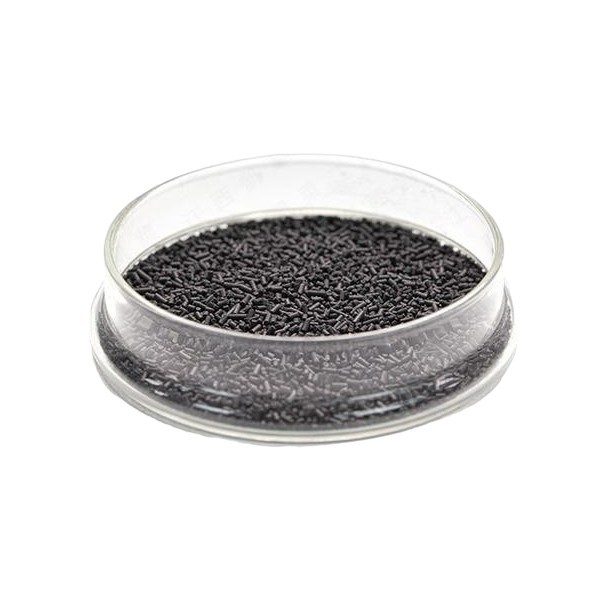

Our JXSEP HG - 90 Carbon Molecular Sieve is another product that adheres to strict industry standards. It offers a balance between adsorption capacity and mechanical strength, making it a reliable choice for long - term operation in gas separation systems.
The Carbon Molecular Sieve - JXSEP®LG - 560 is specifically tailored for applications that require high - purity gas separation. It has been engineered to have excellent thermal and chemical stability, ensuring consistent performance even in harsh operating conditions.
Conclusion
The industry standards for Carbon Molecular Sieve are comprehensive and cover various aspects of composition, performance, and stability. These standards are essential to ensure the efficient and reliable operation of gas separation systems across different industries. As a supplier, we are committed to providing high - quality Carbon Molecular Sieves that meet these standards. If you are in the market for Carbon Molecular Sieves and are looking for a reliable partner, we invite you to contact us for a detailed discussion about your specific requirements and how our products can meet your needs. We look forward to the opportunity to work with you and contribute to the success of your gas separation projects.
References
- Ruthven, D. M., Farooq, S., & Knaebel, K. S. (1994). Pressure Swing Adsorption. John Wiley & Sons.
- Yang, R. T. (1987). Gas Separation by Adsorption Processes. Butterworth Publishers.