

Carbon Molecular Sieve (CMS) - JXH is a crucial adsorbent widely used in gas separation processes, especially in the production of nitrogen from air through pressure swing adsorption (PSA) technology. As a supplier of Carbon Molecular Sieve - JXH, I understand the importance of its regeneration methods to ensure its long - term performance and cost - effectiveness. In this blog, I will delve into the various regeneration methods of Carbon Molecular Sieve - JXH.
1. Understanding Carbon Molecular Sieve - JXH
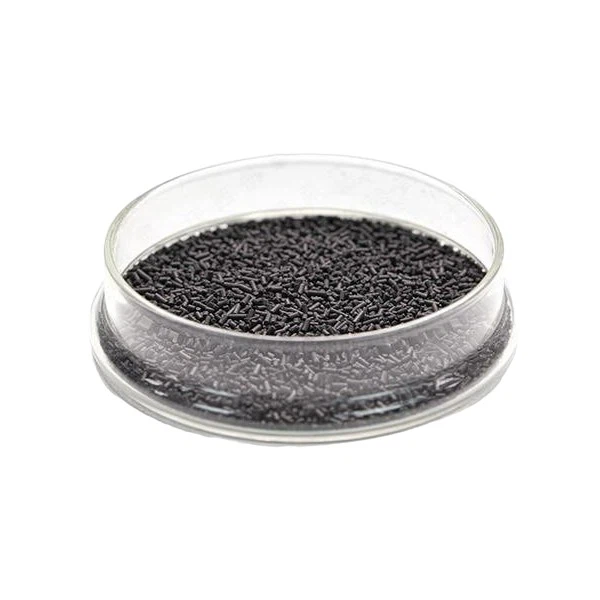
Carbon Molecular Sieve - JXH is a type of porous carbon material with a unique pore structure. It has a high selectivity for different gas molecules based on their size and shape. For example, it can effectively separate nitrogen from oxygen in air because nitrogen molecules can diffuse into the pores of the CMS - JXH more easily than oxygen molecules under certain conditions. This property makes it an ideal choice for PSA nitrogen generators.
We offer different types of Carbon Molecular Sieve - JXH products, such as Carbon Molecular Sieve - 330, JXSEP®LG - 610 Carbon Molecular Sieve, and Carbon Molecular Sieve - JXSEP®HG - 110. Each product has its own characteristics and is suitable for different applications and operating conditions.

2. Reasons for Regeneration
Over time, the performance of Carbon Molecular Sieve - JXH may decline due to several factors. One of the main reasons is the adsorption of impurities in the feed gas. These impurities can block the pores of the CMS - JXH, reducing its effective surface area for gas adsorption and separation. Additionally, the accumulation of moisture in the sieve can also affect its performance. Regeneration is necessary to remove these adsorbed substances and restore the sieve's original adsorption capacity and selectivity.
3. Regeneration Methods
3.1 Pressure Swing Regeneration
Pressure swing regeneration is one of the most commonly used methods for regenerating Carbon Molecular Sieve - JXH in PSA systems. In a PSA process, the adsorption of gas occurs at a relatively high pressure, and the regeneration takes place at a lower pressure.
During the adsorption phase, the feed gas is introduced into the adsorption column filled with CMS - JXH at a high pressure (usually around 6 - 10 bar). The target gas (e.g., nitrogen) is selectively adsorbed by the sieve, while the non - adsorbed gas (e.g., oxygen) is discharged from the column. When the adsorption capacity of the sieve approaches saturation, the pressure in the column is reduced to a lower value (close to atmospheric pressure). This pressure reduction causes the desorption of the adsorbed gas from the sieve, regenerating it for the next adsorption cycle.
The advantage of pressure swing regeneration is its simplicity and low energy consumption. It can be easily integrated into the PSA system, and no additional heating or cooling equipment is required. However, it may not be very effective in removing strongly adsorbed impurities.
3.2 Temperature Swing Regeneration
Temperature swing regeneration involves changing the temperature of the Carbon Molecular Sieve - JXH to achieve desorption of the adsorbed substances. In this method, the sieve is heated to a certain temperature to increase the kinetic energy of the adsorbed molecules, causing them to break free from the adsorption sites on the sieve surface.
The heating can be achieved by various means, such as using electric heaters or hot gas. After heating, the desorbed gas is removed from the column by purging with an inert gas (e.g., nitrogen). Once the regeneration is completed, the sieve is cooled down to the adsorption temperature before the next adsorption cycle.
Temperature swing regeneration is more effective in removing strongly adsorbed impurities compared to pressure swing regeneration. However, it requires additional heating and cooling equipment, which increases the capital cost and energy consumption of the system.
3.3 Vacuum Regeneration
Vacuum regeneration is similar to pressure swing regeneration, but instead of reducing the pressure to atmospheric pressure, a vacuum is applied to the adsorption column. By creating a vacuum, the partial pressure of the adsorbed gas is significantly reduced, promoting its desorption from the Carbon Molecular Sieve - JXH.
Vacuum regeneration can achieve a more complete desorption compared to pressure swing regeneration at atmospheric pressure. It is especially useful for removing trace amounts of impurities. However, the use of a vacuum pump increases the complexity and cost of the system.
3.4 Purge Gas Regeneration
Purge gas regeneration involves passing a purge gas through the Carbon Molecular Sieve - JXH to carry away the desorbed substances. The purge gas can be an inert gas (such as nitrogen) or a gas that is compatible with the process.
During the regeneration process, the purge gas is introduced into the adsorption column at a low flow rate. The gas molecules in the purge gas collide with the adsorbed molecules on the sieve surface, causing them to desorb and be carried out of the column with the purge gas.
Purge gas regeneration can be combined with pressure swing or temperature swing regeneration to enhance the regeneration effect. For example, in a PSA system, a small amount of purge gas can be used during the pressure swing regeneration to improve the desorption efficiency.
4. Factors Affecting Regeneration Efficiency
Several factors can affect the regeneration efficiency of Carbon Molecular Sieve - JXH.
4.1 Regeneration Pressure and Temperature
In pressure swing and temperature swing regeneration, the regeneration pressure and temperature are crucial parameters. A lower regeneration pressure in pressure swing regeneration or a higher regeneration temperature in temperature swing regeneration generally leads to more efficient desorption. However, there are limits to these parameters. For example, if the temperature is too high, it may cause thermal degradation of the sieve, reducing its performance in the long term.
4.2 Regeneration Time
The regeneration time also affects the regeneration efficiency. A longer regeneration time allows more adsorbed substances to be desorbed from the sieve. However, it also increases the cycle time of the PSA system, reducing its productivity. Therefore, an optimal regeneration time needs to be determined based on the specific application and operating conditions.
4.3 Purge Gas Flow Rate
In purge gas regeneration, the flow rate of the purge gas is an important factor. A higher flow rate can carry away the desorbed substances more quickly, but it may also increase the energy consumption and the loss of the purge gas. A proper balance needs to be found to achieve the best regeneration efficiency.
5. Monitoring and Optimization of Regeneration
To ensure the effective regeneration of Carbon Molecular Sieve - JXH, it is necessary to monitor the performance of the sieve and the regeneration process. This can be done by measuring the purity and flow rate of the product gas, as well as the pressure and temperature in the adsorption and regeneration columns.
Based on the monitoring results, the regeneration parameters can be optimized. For example, if the purity of the product gas decreases over time, it may indicate that the regeneration is not sufficient, and the regeneration pressure, temperature, or time can be adjusted accordingly.
6. Conclusion
Carbon Molecular Sieve - JXH is a valuable adsorbent in gas separation processes, and its regeneration is essential for maintaining its long - term performance. Pressure swing regeneration, temperature swing regeneration, vacuum regeneration, and purge gas regeneration are the main methods for regenerating Carbon Molecular Sieve - JXH, each with its own advantages and disadvantages.
As a supplier of Carbon Molecular Sieve - JXH, we are committed to providing high - quality products and technical support to our customers. We can help you choose the most suitable regeneration method based on your specific application and operating conditions. If you are interested in our products or need more information about the regeneration of Carbon Molecular Sieve - JXH, please feel free to contact us for procurement and further discussion.
References
- Ruthven, D. M., Farooq, S., & Knaebel, K. S. (1994). Pressure Swing Adsorption. John Wiley & Sons.
- Yang, R. T. (1987). Gas Separation by Adsorption Processes. Butterworths.
- Sircar, S., & Golden, T. C. (2000). Pressure swing adsorption. Adsorption, 6(1 - 4), 139 - 149.