

Hey there! As a supplier of carbon molecular sieve for nitrogen generators, I've been getting a lot of questions lately about replacement indicators. So, I thought I'd share some insights on what those indicators are and why they matter.
First off, let's talk about what carbon molecular sieve (CMS) is and what it does in a nitrogen generator. CMS is a porous material that selectively adsorbs oxygen from the air, allowing nitrogen to pass through. This process is called pressure swing adsorption (PSA), and it's the most common method for generating nitrogen on-site.
Over time, the CMS in a nitrogen generator will start to lose its effectiveness. This can happen for a few reasons, such as contamination from oil, moisture, or other impurities in the feed air, or simply due to normal wear and tear. When this happens, the nitrogen purity and flow rate will start to decline, and the generator may not be able to produce nitrogen at the desired specifications.
So, how do you know when it's time to replace the CMS in your nitrogen generator? Here are some of the most common replacement indicators:
1. Nitrogen Purity
One of the most obvious signs that your CMS needs to be replaced is a decrease in nitrogen purity. Most nitrogen generators are designed to produce nitrogen with a purity of at least 95%, and some can achieve purities of up to 99.999%. If you notice that the nitrogen purity is dropping below your desired level, it could be a sign that the CMS is no longer working effectively.
To measure nitrogen purity, you can use a nitrogen analyzer. These devices are relatively inexpensive and easy to use, and they can give you an accurate reading of the nitrogen purity in your generator. If you don't have a nitrogen analyzer, you can also send a sample of the nitrogen to a laboratory for testing.
2. Flow Rate
Another indicator that your CMS needs to be replaced is a decrease in flow rate. The flow rate of a nitrogen generator is the amount of nitrogen that it can produce per unit of time, usually measured in cubic feet per minute (CFM) or liters per minute (LPM). If you notice that the flow rate is dropping, it could be a sign that the CMS is clogged or damaged, and it's not allowing the nitrogen to pass through as easily.
To measure flow rate, you can use a flow meter. These devices are also relatively inexpensive and easy to use, and they can give you an accurate reading of the flow rate in your generator. If you don't have a flow meter, you can also measure the time it takes to fill a container with nitrogen and calculate the flow rate based on the volume of the container.
3. Pressure Drop
A third indicator that your CMS needs to be replaced is an increase in pressure drop. The pressure drop is the difference in pressure between the inlet and outlet of the nitrogen generator, and it's a measure of the resistance that the gas encounters as it passes through the CMS. If you notice that the pressure drop is increasing, it could be a sign that the CMS is clogged or damaged, and it's not allowing the gas to flow through as easily.
To measure pressure drop, you can use a pressure gauge. These devices are also relatively inexpensive and easy to use, and they can give you an accurate reading of the pressure drop in your generator. If you don't have a pressure gauge, you can also measure the pressure at the inlet and outlet of the generator using a manometer.
4. Adsorption Time
A fourth indicator that your CMS needs to be replaced is an increase in adsorption time. The adsorption time is the amount of time that it takes for the CMS to adsorb the oxygen from the air, and it's a measure of the effectiveness of the CMS. If you notice that the adsorption time is increasing, it could be a sign that the CMS is losing its ability to adsorb oxygen, and it's not working as effectively as it used to.
To measure adsorption time, you can use a timer. These devices are also relatively inexpensive and easy to use, and they can give you an accurate reading of the adsorption time in your generator. If you don't have a timer, you can also measure the time it takes for the nitrogen purity to reach a certain level after the generator is started.
5. Visual Inspection
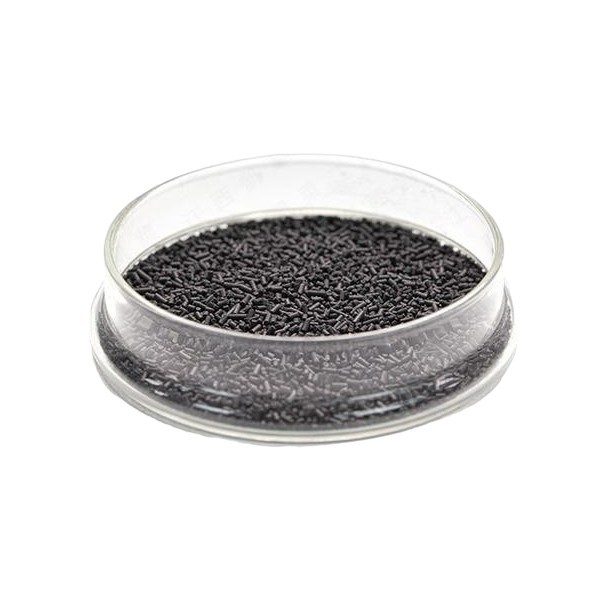
Finally, you can also perform a visual inspection of the CMS to see if it needs to be replaced. Over time, the CMS can become contaminated with oil, moisture, or other impurities, which can cause it to turn black or brown. If you notice that the CMS looks dirty or discolored, it could be a sign that it needs to be replaced.
To perform a visual inspection, you can remove the CMS from the generator and examine it closely. Look for signs of contamination, such as oil or moisture, and check for any damage or wear. If you're not sure how to remove the CMS from the generator, you can consult the manufacturer's instructions or contact a professional technician.
Now that you know what the replacement indicators are, let's talk about some of the factors that can affect the lifespan of your CMS. Here are some of the most important factors:
1. Feed Air Quality
The quality of the feed air is one of the most important factors that can affect the lifespan of your CMS. If the feed air contains a lot of oil, moisture, or other impurities, it can contaminate the CMS and reduce its effectiveness. To ensure the longest possible lifespan for your CMS, it's important to use a high-quality air compressor and air dryer to remove as much oil and moisture as possible from the feed air.
2. Operating Conditions
The operating conditions of your nitrogen generator can also affect the lifespan of your CMS. If the generator is operating at high temperatures or pressures, it can cause the CMS to degrade more quickly. To ensure the longest possible lifespan for your CMS, it's important to operate the generator within the manufacturer's recommended temperature and pressure ranges.

3. Maintenance
Regular maintenance is also important for ensuring the longest possible lifespan for your CMS. This includes cleaning the air filters, checking the pressure and flow rates, and performing visual inspections of the CMS. By performing regular maintenance, you can catch any problems early and prevent them from becoming more serious.
4. Quality of the CMS
Finally, the quality of the CMS itself can also affect its lifespan. There are many different types of CMS available on the market, and not all of them are created equal. To ensure the longest possible lifespan for your CMS, it's important to choose a high-quality CMS that is designed for your specific application.
At our company, we offer a wide range of high-quality carbon molecular sieves for nitrogen generators, including Carbon Molecular Sieve-JXSEP®HG-110, Carbon Molecular Sieve -330, and Carbon Molecular Sieve-JXSEP®LG-560. Our CMS products are designed to provide high nitrogen purity, high flow rates, and long service life, and they are suitable for a wide range of applications.
If you're interested in learning more about our carbon molecular sieves or if you have any questions about replacement indicators, please don't hesitate to contact us. We'd be happy to help you choose the right CMS for your application and provide you with any technical support or advice that you may need.
In conclusion, knowing the replacement indicators for carbon molecular sieve in a nitrogen generator is essential for ensuring the reliable and efficient operation of your generator. By monitoring the nitrogen purity, flow rate, pressure drop, adsorption time, and performing visual inspections, you can catch any problems early and prevent them from becoming more serious. And by choosing a high-quality CMS and following the manufacturer's recommended maintenance procedures, you can ensure the longest possible lifespan for your CMS.
If you're in the market for a new carbon molecular sieve for your nitrogen generator, or if you need to replace the existing one, we'd love to hear from you. Contact us today to discuss your requirements and get a quote.
References
- Smith, J. (2020). Nitrogen Generation Technology. John Wiley & Sons.
- Jones, A. (2019). Carbon Molecular Sieves for Gas Separation. Elsevier.
- Brown, R. (2018). Pressure Swing Adsorption: Principles and Applications. CRC Press.