

As a supplier of Carbon Molecular Sieve - JXH, understanding the test methods for the gas production rate of our product is crucial. This knowledge not only helps us ensure the quality of our carbon molecular sieves but also allows us to provide accurate information to our customers. In this blog post, I will introduce several common test methods for the gas production rate of Carbon Molecular Sieve - JXH.
1. Pressure Swing Adsorption (PSA) Test
The Pressure Swing Adsorption (PSA) test is one of the most widely used methods to measure the gas production rate of carbon molecular sieves. PSA technology takes advantage of the different adsorption capacities of carbon molecular sieves for various gases at different pressures.
In a PSA test, a sample of Carbon Molecular Sieve - JXH is placed in an adsorption column. The column is then pressurized with a gas mixture, typically air. During the adsorption process, the carbon molecular sieve preferentially adsorbs nitrogen, allowing oxygen to pass through the column. Once the adsorption capacity of the carbon molecular sieve is reached, the pressure in the column is reduced, and the adsorbed nitrogen is desorbed.
To measure the gas production rate, the flow rate of the produced gas (usually oxygen) is monitored over time. The test is repeated multiple times to ensure the accuracy and reproducibility of the results. By analyzing the data obtained from the PSA test, we can determine the gas production rate of the Carbon Molecular Sieve - JXH under specific operating conditions.
For example, if we are testing the Carbon Molecular Sieve - JXSEP®HG - 110ES, we can set up a PSA system with a specific pressure range, flow rate of the feed gas, and adsorption/desorption cycle time. By measuring the flow rate of the produced oxygen, we can calculate the gas production rate of this particular carbon molecular sieve.
2. Vacuum Swing Adsorption (VSA) Test
Similar to the PSA test, the Vacuum Swing Adsorption (VSA) test is another method used to evaluate the gas production rate of carbon molecular sieves. However, instead of using pressure changes, the VSA test relies on vacuum to desorb the adsorbed gas.
In a VSA test, the carbon molecular sieve is first pressurized with the feed gas to adsorb the target gas (e.g., nitrogen). Then, a vacuum is applied to the adsorption column to desorb the adsorbed gas. The flow rate of the produced gas is measured during the desorption process.
The VSA test is particularly suitable for applications where low - pressure operation is required. It can provide valuable information about the gas production rate of the Carbon Molecular Sieve - JXH under vacuum conditions. For instance, when testing the JXSEP®LG - 610 Carbon Molecular Sieve, a VSA test can help us understand its performance in a vacuum - based gas separation system.
3. Static Adsorption Test
The static adsorption test is a simple yet effective method to measure the adsorption capacity of carbon molecular sieves, which is closely related to the gas production rate. In this test, a known amount of carbon molecular sieve is placed in a sealed container with a specific gas at a constant temperature and pressure.

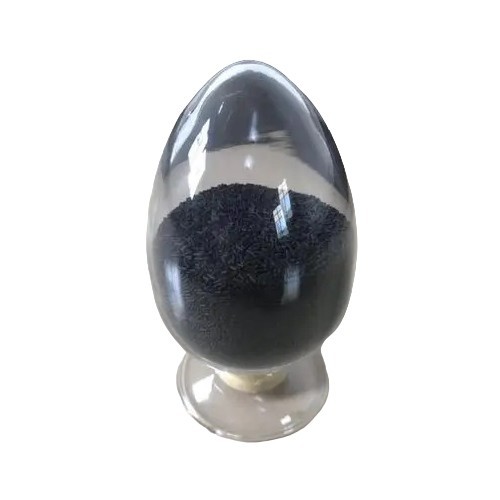
Over time, the carbon molecular sieve adsorbs the gas until equilibrium is reached. The amount of adsorbed gas is then determined by measuring the change in pressure or volume of the gas in the container. By comparing the adsorption capacities of different carbon molecular sieves, we can indirectly evaluate their gas production rates.
Although the static adsorption test does not directly measure the gas production rate, it provides important information about the adsorption properties of the carbon molecular sieve. This information can be used to predict the performance of the carbon molecular sieve in dynamic gas separation processes. For example, if a carbon molecular sieve has a high adsorption capacity for nitrogen in a static adsorption test, it is likely to have a good gas production rate in a PSA or VSA system.
4. Dynamic Adsorption Test
The dynamic adsorption test is a more realistic method to measure the gas production rate of carbon molecular sieves. In this test, a continuous flow of gas mixture is passed through a column filled with the carbon molecular sieve.
The gas flow rate, temperature, and pressure are carefully controlled during the test. As the gas mixture passes through the column, the carbon molecular sieve adsorbs the target gas, and the concentration of the remaining gas in the outlet stream is monitored. By measuring the change in gas concentration over time, we can calculate the gas production rate of the carbon molecular sieve.
The dynamic adsorption test can simulate the actual operating conditions of a gas separation system, providing more accurate information about the gas production rate of the Carbon Molecular Sieve - JXH. For example, when testing the Carbon Molecular Sieve - JXSEP®HG - 110, a dynamic adsorption test can help us understand its performance in a continuous - flow gas separation process.
Factors Affecting the Gas Production Rate Test Results
It is important to note that several factors can affect the test results of the gas production rate of Carbon Molecular Sieve - JXH. These factors include:
- Operating Conditions: The pressure, temperature, and flow rate of the feed gas can significantly influence the gas production rate. For example, increasing the pressure of the feed gas can generally increase the adsorption capacity of the carbon molecular sieve, leading to a higher gas production rate.
- Quality of the Carbon Molecular Sieve: The quality of the carbon molecular sieve, including its pore size distribution, surface area, and adsorption selectivity, can also affect the gas production rate. A high - quality carbon molecular sieve with a well - defined pore structure and high adsorption selectivity is likely to have a better gas production rate.
- Contamination: Contamination of the carbon molecular sieve by impurities such as dust, moisture, or hydrocarbons can reduce its adsorption capacity and gas production rate. Therefore, it is essential to ensure that the carbon molecular sieve is properly stored and handled during the test.
Importance of Accurate Gas Production Rate Testing
Accurately measuring the gas production rate of Carbon Molecular Sieve - JXH is of great importance for both suppliers and customers. For suppliers, it helps us ensure the quality and performance of our products. By conducting regular gas production rate tests, we can identify any potential issues with the carbon molecular sieve and take appropriate measures to improve its performance.
For customers, knowing the gas production rate of the carbon molecular sieve is crucial for designing and operating gas separation systems. It allows them to select the most suitable carbon molecular sieve for their specific applications and optimize the operating conditions of the gas separation system to achieve the desired gas production rate and purity.
Conclusion
In conclusion, there are several test methods available to measure the gas production rate of Carbon Molecular Sieve - JXH, including the PSA test, VSA test, static adsorption test, and dynamic adsorption test. Each method has its own advantages and limitations, and the choice of test method depends on the specific requirements of the application.
As a supplier of Carbon Molecular Sieve - JXH, we are committed to providing high - quality products with accurate gas production rate data. We use a combination of these test methods to ensure the reliability and performance of our carbon molecular sieves.
If you are interested in our Carbon Molecular Sieve - JXH products or have any questions about the gas production rate testing, please feel free to contact us for further discussion and procurement negotiation. We look forward to working with you to meet your gas separation needs.
References
- Ruthven, D. M., Farooq, S., & Knaebel, K. S. (1994). Pressure Swing Adsorption. VCH Publishers.
- Yang, R. T. (1987). Gas Separation by Adsorption Processes. Butterworths.
- Sircar, S., & Golden, T. C. (2005). Adsorption and PSA Processes for Gas Separation and Purification. In Handbook of Separation Process Technology (pp. 533 - 560). John Wiley & Sons.