

Abrasion resistance is a crucial property for carbon molecular sieves, especially in industrial applications where they are subjected to constant movement, friction, and mechanical stress. As a supplier of Carbon Molecular Sieve -JXF, I'd like to delve into what abrasion resistance means for this specific product and why it matters in various industries.

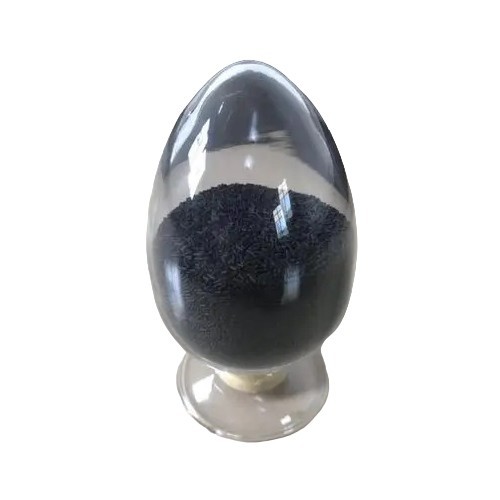
Understanding Abrasion Resistance
Abrasion resistance refers to the ability of a material to withstand wear and tear caused by rubbing, scraping, or friction against another surface. In the context of Carbon Molecular Sieve -JXF, this property is essential because these sieves are often used in processes where they come into contact with other components, such as in pressure swing adsorption (PSA) systems. During the PSA process, the carbon molecular sieves are continuously exposed to gas flow, which can cause particles to rub against each other and the walls of the adsorption vessel. If the sieve lacks sufficient abrasion resistance, it can lead to the generation of fine dust particles, which can clog downstream equipment, reduce the efficiency of the separation process, and even cause damage to the overall system.
Factors Affecting the Abrasion Resistance of Carbon Molecular Sieve -JXF
Raw Materials
The quality and type of raw materials used in the production of Carbon Molecular Sieve -JXF play a significant role in determining its abrasion resistance. High - quality carbon precursors with appropriate particle size and structure can result in a more robust and wear - resistant sieve. For example, using coal - based or coconut - shell - based carbon precursors can provide different levels of abrasion resistance. Coconut - shell - based carbon precursors often have a more uniform pore structure and higher hardness, which can contribute to better abrasion resistance compared to some coal - based precursors.
Manufacturing Process
The manufacturing process of Carbon Molecular Sieve -JXF also has a profound impact on its abrasion resistance. Processes such as carbonization, activation, and shaping can affect the physical and chemical properties of the sieve. Precise control of temperature, pressure, and time during carbonization and activation can optimize the pore structure and mechanical strength of the sieve. Additionally, the shaping process, whether it is extrusion or pelletizing, can influence the density and surface smoothness of the sieve particles. A well - shaped sieve with a smooth surface is less likely to experience excessive abrasion during use.
Surface Treatment
Surface treatment can enhance the abrasion resistance of Carbon Molecular Sieve -JXF. Coating the sieve particles with a thin layer of a protective material can reduce the direct contact between the sieve and other surfaces, thereby minimizing wear. Some surface treatments can also improve the chemical stability of the sieve, further protecting it from abrasion - related damage.
Measuring the Abrasion Resistance of Carbon Molecular Sieve -JXF
There are several methods to measure the abrasion resistance of Carbon Molecular Sieve -JXF. One common method is the attrition test. In this test, a sample of the sieve is placed in a rotating drum or a vibrating chamber along with a certain amount of abrasive media. After a specified number of rotations or vibrations, the amount of fine dust generated is measured. A lower amount of dust indicates higher abrasion resistance.
Another method is the gas - flow abrasion test. In this test, a high - velocity gas stream is passed through a bed of the carbon molecular sieve. The pressure drop across the bed and the amount of dust carried by the gas stream are monitored over time. A stable pressure drop and a low dust concentration in the gas stream suggest good abrasion resistance.
Importance of Abrasion Resistance in Different Applications
Nitrogen Generation
In nitrogen generation systems using PSA technology, Carbon Molecular Sieve -JXF is used to separate nitrogen from air. High abrasion resistance is crucial in this application because any dust generated from the sieve can contaminate the produced nitrogen gas and damage the downstream equipment, such as filters and compressors. A sieve with good abrasion resistance ensures a long - term, stable operation of the nitrogen generation system, reducing maintenance costs and downtime.
Hydrogen Purification
In hydrogen purification processes, Carbon Molecular Sieve -JXF can be used to remove impurities from hydrogen gas. The abrasion resistance of the sieve is important to maintain the purity of the hydrogen gas and prevent damage to the purification equipment. Any abrasion - generated dust can cause blockages in the adsorber beds and reduce the efficiency of the purification process.
Comparison with Other Carbon Molecular Sieves
When compared with other carbon molecular sieves such as Carbon Molecular Sieve -330, Carbon Molecular Sieve -JXSEP®LG - 560, and Carbon Molecular Sieve -JXSEP®HG - 110ES, Carbon Molecular Sieve -JXF offers unique abrasion resistance characteristics. Each of these sieves is designed for specific applications, and their abrasion resistance depends on their raw materials, manufacturing processes, and intended uses. For example, if a particular application requires a sieve to withstand high - velocity gas flow, Carbon Molecular Sieve -JXF's abrasion resistance properties may make it a more suitable choice compared to some other sieves.
Improving the Abrasion Resistance of Carbon Molecular Sieve -JXF
As a supplier, we are constantly researching and developing ways to improve the abrasion resistance of Carbon Molecular Sieve -JXF. This includes optimizing the raw material selection, refining the manufacturing process, and exploring new surface treatment techniques. By improving the abrasion resistance, we can provide our customers with a more reliable and long - lasting product, which can ultimately save them costs in terms of maintenance and replacement.
Conclusion
The abrasion resistance of Carbon Molecular Sieve -JXF is a critical property that directly impacts its performance and lifespan in various industrial applications. Understanding the factors that affect abrasion resistance, measuring it accurately, and comparing it with other carbon molecular sieves are essential steps in ensuring the proper selection and use of the sieve. As a supplier, we are committed to providing high - quality Carbon Molecular Sieve -JXF with excellent abrasion resistance to meet the diverse needs of our customers.
If you are interested in learning more about our Carbon Molecular Sieve -JXF or are considering a purchase, we invite you to contact us for further discussion and negotiation. We look forward to the opportunity to work with you and provide you with the best solutions for your specific requirements.
References
- "Carbon Molecular Sieves: Structure, Properties, and Applications" by X. Y. Zhang
- "Abrasion Resistance Testing of Porous Materials" in the Journal of Materials Science and Technology
- "Industrial Gas Separation Processes Using Carbon Molecular Sieves" by R. K. Sharma