

Hey there! As a supplier of Carbon Molecular Sieve - JXF, I'm super excited to dive into the topic of the breakthrough time of Carbon Molecular Sieve - JXF for different gases. It's a pretty cool and important aspect, especially if you're in the business of gas separation.
Let's start by understanding what breakthrough time actually means. In simple terms, the breakthrough time is the amount of time it takes for a gas to start passing through the carbon molecular sieve bed. It's a crucial factor because it helps us figure out how well the sieve is working and how long it can effectively separate different gases.
Now, different gases have different breakthrough times when using Carbon Molecular Sieve - JXF. Let's take a look at some common gases and how they interact with our sieve.
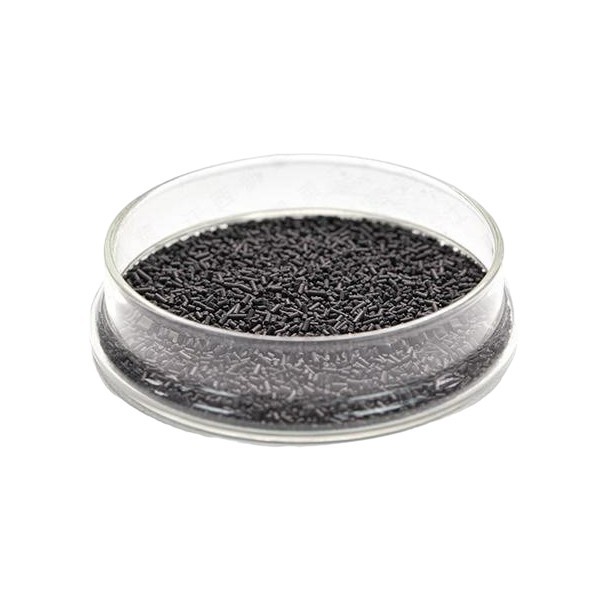
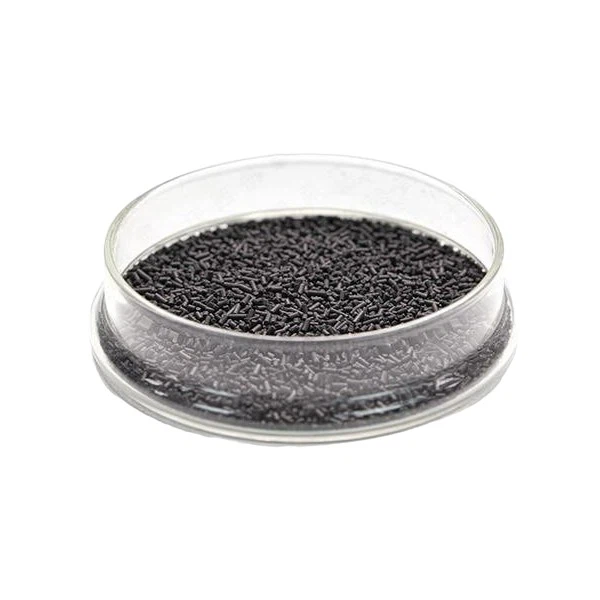
Nitrogen
Nitrogen is one of the most widely separated gases using carbon molecular sieves. Our Carbon Molecular Sieve - JXF is excellent at separating nitrogen from other gases, like oxygen and argon. The breakthrough time for nitrogen depends on a few factors, such as the purity of the feed gas, the flow rate, and the pressure.
Typically, in a standard nitrogen generation system, the breakthrough time for nitrogen can range from a few minutes to several hours. For example, if you're using a high - purity feed gas and a relatively low flow rate, the sieve can hold onto the other gases for a longer time, giving you a longer breakthrough time for nitrogen. This means you can get a continuous supply of high - purity nitrogen for your industrial processes.
Our Carbon Molecular Sieve - JXSEP®LG - 560 is specifically designed for efficient nitrogen separation. It has a large surface area and well - defined pore structure, which allows it to adsorb oxygen and other impurities quickly, while letting nitrogen pass through with a decent breakthrough time.
Oxygen
When it comes to oxygen, the breakthrough time is generally shorter compared to nitrogen. Oxygen molecules are smaller and more reactive than nitrogen molecules, so they tend to be adsorbed more readily by the carbon molecular sieve. In a nitrogen - oxygen separation process, the sieve will first adsorb the oxygen, and as the adsorption capacity reaches its limit, oxygen will start to break through.
The breakthrough time for oxygen can be affected by the same factors as nitrogen, but also by the presence of other trace gases. For instance, if there are some moisture or hydrocarbons in the feed gas, they can compete with oxygen for the adsorption sites on the sieve, potentially changing the breakthrough time. Our Carbon Molecular Sieve - JXSEP®HG - 110ES is engineered to optimize the separation of oxygen from nitrogen, providing a reliable and consistent breakthrough time for both gases.
Argon
Argon is another noble gas that is often separated in industrial applications. The breakthrough time for argon is different from both nitrogen and oxygen. Argon has a larger molecular size than oxygen but is similar in size to some of the larger nitrogen isotopes.
The carbon molecular sieve needs to have a specific pore size distribution to effectively separate argon. Our JXSEP®LG - 610 Carbon Molecular Sieve has been fine - tuned to handle argon separation. The breakthrough time for argon can vary depending on the composition of the feed gas and the operating conditions. In some cases, it may take a bit longer for argon to break through compared to oxygen, but shorter than nitrogen in certain setups.
Factors Affecting Breakthrough Time
As I mentioned earlier, several factors can influence the breakthrough time of different gases when using Carbon Molecular Sieve - JXF.
Feed Gas Composition: The purity and the types of gases present in the feed gas play a huge role. If there are a lot of impurities or trace gases, they can compete with the target gas for the adsorption sites on the sieve, changing the breakthrough time.
Flow Rate: A higher flow rate means that the gas is passing through the sieve more quickly. This can reduce the contact time between the gas and the sieve, resulting in a shorter breakthrough time. On the other hand, a lower flow rate allows for more interaction between the gas and the sieve, potentially increasing the breakthrough time.
Pressure: Increasing the pressure can enhance the adsorption capacity of the sieve. Higher pressure forces the gas molecules to be closer to the sieve surface, making it easier for them to be adsorbed. This can lead to a longer breakthrough time for the non - adsorbed gas.
Temperature: Temperature also affects the adsorption process. Generally, lower temperatures favor adsorption, so if the temperature is too high, the adsorption capacity of the sieve may decrease, and the breakthrough time may be shorter.
Why Choose Our Carbon Molecular Sieve - JXF
We've spent a lot of time and effort in developing our Carbon Molecular Sieve - JXF to ensure optimal performance. Our sieves are made from high - quality materials and undergo strict quality control processes.
The pore size distribution of our sieves is carefully engineered to provide the best separation efficiency for different gases. Whether you need to separate nitrogen, oxygen, or argon, our sieves can offer consistent and reliable breakthrough times.
We also offer excellent customer support. If you have any questions about the breakthrough time of a specific gas or need help in choosing the right sieve for your application, our team of experts is always ready to assist you.
Contact Us for Procurement
If you're in the market for a reliable carbon molecular sieve for gas separation, look no further. We're here to provide you with the best products and services. Whether you're a small - scale laboratory or a large - scale industrial plant, we can meet your needs. Contact us today to start the procurement process and discuss how our Carbon Molecular Sieve - JXF can benefit your operations.
References
- Ruthven, D. M. (1984). Principles of Adsorption and Adsorption Processes. John Wiley & Sons.
- Yang, R. T. (1987). Gas Separation by Adsorption Processes. Butterworths.