

As a supplier of Carbon Molecular Sieve - JXF, I've witnessed firsthand the remarkable capabilities of this product in various industrial applications. Carbon Molecular Sieve - JXF is a key material used in Pressure Swing Adsorption (PSA) technology for nitrogen generation, offering high efficiency and reliability. However, one question that often arises is: What is the effect of aging on the performance of Carbon Molecular Sieve - JXF? In this blog, I'll delve into this topic, exploring the science behind it and sharing insights based on our extensive experience in the industry.
Understanding Carbon Molecular Sieve - JXF
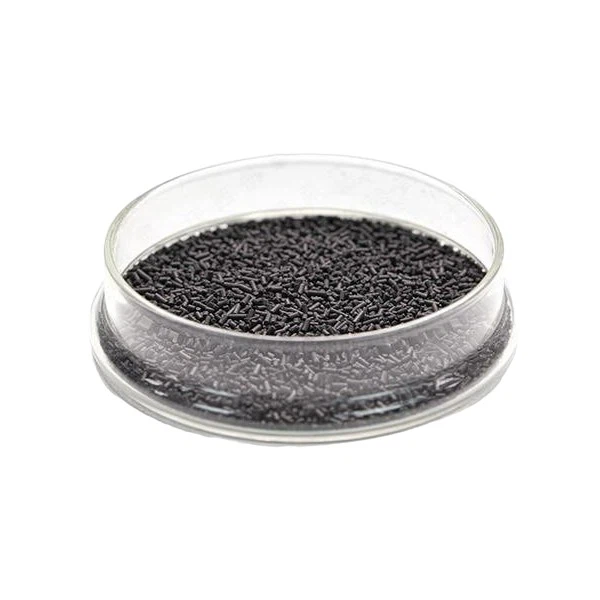
Before we discuss the impact of aging, let's briefly understand what Carbon Molecular Sieve - JXF is. It is a microporous material with a highly uniform pore structure, which allows it to selectively adsorb oxygen molecules from air while allowing nitrogen to pass through. This selective adsorption property is the basis for its use in nitrogen generation systems. Our products, such as JXSEP®LG - 610 Carbon Molecular Sieve, Carbon Molecular Sieve - JXSEP®HG - 110ES, and Carbon Molecular Sieve - JXSEP®HG - 110, are designed to provide excellent performance in terms of nitrogen purity and production rate.
Mechanisms of Aging in Carbon Molecular Sieve - JXF
Aging in Carbon Molecular Sieve - JXF is a complex process influenced by multiple factors. Over time, the sieve is exposed to various environmental conditions and operating parameters, which can lead to changes in its physical and chemical properties.
Physical Changes
One of the primary physical changes associated with aging is the accumulation of contaminants. During the adsorption process, impurities such as dust, oil, and water vapor in the feed air can be trapped in the pores of the carbon molecular sieve. This can gradually block the pores, reducing the available surface area for adsorption and hindering the diffusion of gas molecules. As a result, the adsorption capacity and selectivity of the sieve may decline.
Another physical change is the attrition of the sieve particles. In a PSA system, the sieve is subjected to mechanical forces during the pressure cycling process. Over time, these forces can cause the particles to break down, leading to a decrease in particle size and an increase in fines. The presence of fines can further clog the pores and increase the pressure drop across the bed, affecting the overall performance of the system.
Chemical Changes
Chemical changes can also occur in Carbon Molecular Sieve - JXF over time. Exposure to reactive gases or high - temperature environments can cause oxidation or other chemical reactions on the surface of the sieve. Oxidation can lead to the formation of oxygen - containing functional groups on the carbon surface, which can alter the surface properties and reduce the hydrophobicity of the sieve. This can make the sieve more susceptible to water adsorption, further degrading its performance.
Effects of Aging on Performance
Nitrogen Purity
One of the most significant effects of aging on Carbon Molecular Sieve - JXF is the reduction in nitrogen purity. As the sieve ages, its ability to selectively adsorb oxygen decreases due to pore blockage and chemical changes. This results in more oxygen molecules passing through the sieve along with nitrogen, leading to a lower nitrogen purity in the product gas. In some cases, the nitrogen purity may drop below the required specification, which can be a major concern for applications that require high - purity nitrogen, such as electronics manufacturing and food packaging.
Nitrogen Production Rate
The aging of the carbon molecular sieve can also impact the nitrogen production rate. As the adsorption capacity of the sieve decreases, it takes longer for the sieve to adsorb a given amount of oxygen. This means that the cycle time of the PSA system may need to be increased to maintain the desired nitrogen purity. However, increasing the cycle time can reduce the overall nitrogen production rate. Additionally, the increase in pressure drop due to pore blockage and fines can also reduce the gas flow rate through the bed, further limiting the nitrogen production capacity.
Energy Consumption
Aging can also lead to an increase in energy consumption. As the pressure drop across the sieve bed increases, the compressor in the PSA system has to work harder to maintain the required pressure. This results in higher energy consumption and increased operating costs. Moreover, if the nitrogen purity or production rate is not maintained at the desired level, the system may need to be operated at a higher pressure or with a longer cycle time, further increasing the energy requirements.
Mitigating the Effects of Aging
To mitigate the effects of aging on Carbon Molecular Sieve - JXF, several strategies can be employed.
Pretreatment of Feed Air
Effective pretreatment of the feed air is crucial to prevent the accumulation of contaminants in the sieve. This can include the use of filters to remove dust and oil, and dryers to remove water vapor. By reducing the amount of impurities in the feed air, the lifespan of the carbon molecular sieve can be significantly extended.
Proper System Design and Operation
Proper system design and operation can also help minimize the effects of aging. This includes selecting the appropriate sieve particle size and bed configuration to reduce attrition, and optimizing the pressure cycling parameters to ensure uniform gas distribution and minimize mechanical stress on the sieve. Regular maintenance, such as backwashing or replacing the sieve when necessary, can also help maintain the performance of the system.
Conclusion
In conclusion, aging has a significant impact on the performance of Carbon Molecular Sieve - JXF. Physical and chemical changes over time can lead to a decline in nitrogen purity, production rate, and an increase in energy consumption. However, by implementing proper pretreatment measures and following good system design and operation practices, the effects of aging can be mitigated, and the lifespan of the sieve can be extended.
If you are facing issues with the performance of your nitrogen generation system or are interested in learning more about our Carbon Molecular Sieve - JXF products, we encourage you to contact us for a consultation. Our team of experts can provide you with customized solutions based on your specific requirements and help you optimize the performance of your PSA system.

References
- Yang, R. T. (1987). Gas Separation by Adsorption Processes. Butterworths.
- Ruthven, D. M., Farooq, S., & Knaebel, K. S. (1994). Pressure Swing Adsorption. VCH Publishers.
- Sircar, S., & Golden, T. C. (2005). Adsorbent Materials for Carbon Dioxide Capture from Large Anthropogenic Sources. Industrial & Engineering Chemistry Research, 44(23), 8715 - 8722.