

Hey there! As a Carbon Molecular Sieve supplier, I often get asked about the impact of carbon molecular sieve on textile quality. So, I thought I'd write this blog to share my insights on this topic.
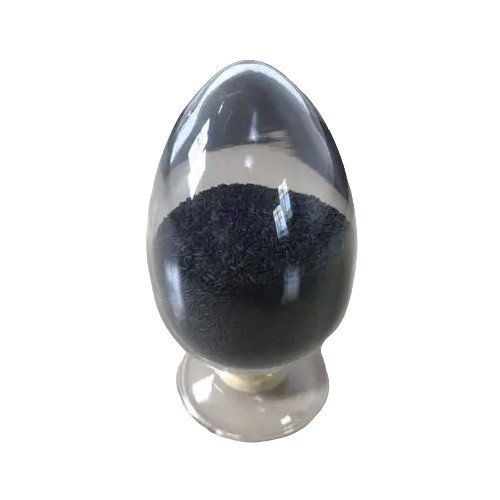
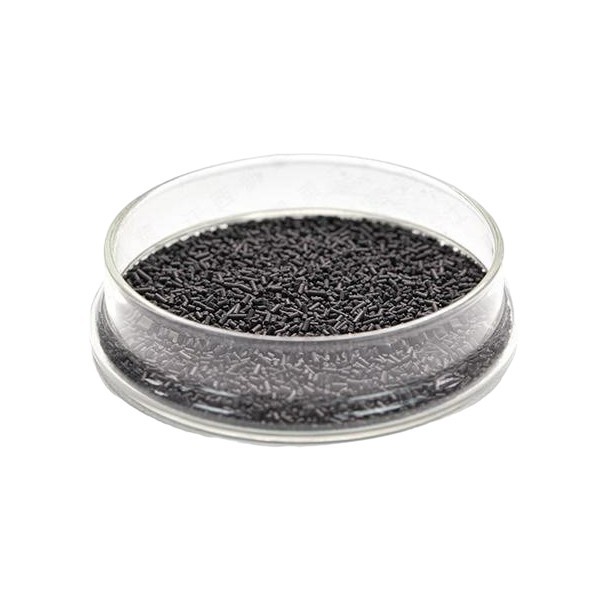
First off, let's understand what carbon molecular sieve is. Carbon molecular sieve is a porous material with a unique pore structure that allows it to selectively adsorb certain molecules based on their size and shape. It's widely used in various industries for applications like gas separation, purification, and more.
Now, how does it relate to the textile industry? Well, in the textile manufacturing process, there are several steps where carbon molecular sieve can play a crucial role in enhancing the quality of the final product.
Air Separation for Textile Dyeing and Finishing
One of the key areas where carbon molecular sieve makes a difference is in air separation. Textile dyeing and finishing processes often require a large amount of nitrogen gas. Nitrogen is used to create an inert atmosphere, which helps to prevent oxidation and discoloration of the dyes and the textiles themselves.
Carbon molecular sieve is used in pressure swing adsorption (PSA) systems to separate nitrogen from the air. The sieve adsorbs oxygen and other impurities, allowing pure nitrogen to be produced. Our Carbon Molecular Sieve-JXSEP®LG - 560 is a great choice for this application. It has a high nitrogen production capacity and excellent adsorption performance, which means you can get a continuous supply of high - purity nitrogen for your textile processes.
When you use high - purity nitrogen in dyeing and finishing, it ensures that the colors are more vibrant and long - lasting. The inert atmosphere created by nitrogen also helps to reduce the formation of unwanted by - products, which can affect the texture and feel of the fabric. So, in a way, carbon molecular sieve indirectly contributes to the overall aesthetic and tactile quality of the textiles.
Removal of Impurities in Textile Raw Materials
Textile raw materials, such as cotton, wool, and synthetic fibers, can contain various impurities like dust, dirt, and volatile organic compounds (VOCs). These impurities can affect the spinning, weaving, and dyeing processes, leading to lower - quality textiles.
Carbon molecular sieve can be used in purification systems to remove these impurities. The porous structure of the sieve allows it to trap small particles and adsorb VOCs. Our Carbon Molecular Sieve - 330 has a high surface area and a well - defined pore size distribution, which makes it very effective in removing a wide range of impurities.
By removing these impurities from the raw materials, the spinning process becomes smoother, and the yarns produced are stronger and more uniform. This, in turn, leads to better - quality fabrics with fewer defects. The removal of VOCs also improves the air quality in the manufacturing environment, which is beneficial for the health of the workers.
Improving the Efficiency of Textile Drying
Drying is an important step in textile manufacturing. It helps to remove excess moisture from the fabrics after dyeing and finishing. Carbon molecular sieve can be used in dehumidification systems to improve the efficiency of the drying process.
The sieve adsorbs water vapor from the air, creating a dry environment for the textiles to dry. Our Carbon Molecular Sieve-JXSEP®HG - 110ES has a high water adsorption capacity, which means it can quickly reduce the humidity in the drying area.
When the drying process is more efficient, it reduces the drying time, which saves energy and increases productivity. It also helps to prevent the growth of mold and mildew on the fabrics, which can damage the quality of the textiles.
Impact on Textile Strength and Durability
The use of carbon molecular sieve in the textile manufacturing process can also have an impact on the strength and durability of the textiles. By ensuring a clean and controlled environment during dyeing, finishing, and drying, the fibers in the fabric are less likely to be damaged.
For example, in the presence of oxygen, the fibers can undergo oxidation, which weakens their structure. By using nitrogen produced with carbon molecular sieve to create an inert atmosphere, this oxidation process is minimized. As a result, the textiles are stronger and more resistant to wear and tear.
In addition, the removal of impurities from the raw materials and the efficient drying process also contribute to the overall integrity of the fabric. Fabrics that are made from clean, well - dried fibers are less likely to develop holes or fray over time.
Cost - effectiveness and Sustainability
Another aspect to consider is the cost - effectiveness and sustainability of using carbon molecular sieve in the textile industry. Carbon molecular sieve - based PSA systems for nitrogen production are generally more cost - effective than traditional methods of nitrogen supply, such as liquid nitrogen tanks.
These systems can be installed on - site, which eliminates the need for transportation and storage of liquid nitrogen. This not only reduces costs but also reduces the carbon footprint associated with the transportation of nitrogen.
In terms of sustainability, the use of carbon molecular sieve in dehumidification and purification systems helps to reduce energy consumption. By improving the efficiency of the drying process and removing impurities more effectively, less energy is required to produce high - quality textiles.
So, if you're in the textile industry and looking to improve the quality of your products, reduce costs, and be more sustainable, carbon molecular sieve is definitely worth considering.
If you're interested in learning more about our carbon molecular sieve products and how they can benefit your textile manufacturing process, feel free to reach out. We're always happy to have a chat and discuss your specific needs. We can provide you with detailed product information, technical support, and even samples for you to test. Let's work together to take your textile quality to the next level!
References
- Smith, J. (2020). "Advances in Gas Separation Technologies for the Textile Industry". Journal of Textile Science.
- Brown, A. (2019). "The Role of Purification in Textile Manufacturing". Textile Research Journal.
- Green, C. (2021). "Sustainable Practices in Textile Dyeing and Finishing". Sustainable Textiles Magazine.