

Hey there! As a supplier of Carbon Molecular Sieve -330, I've been getting a lot of questions lately about how different packing densities can affect the regeneration gas flow rate. So, I thought I'd sit down and share my thoughts on this topic.
First off, let's talk a bit about Carbon Molecular Sieve -330. It's a pretty amazing product that's widely used in the separation of nitrogen from air. You can find more detailed info about it Carbon Molecular Sieve -330. This sieve has some unique properties that make it super effective in this process. But one thing that can really change how it works is the packing density.
Packing density refers to how tightly the carbon molecular sieve particles are packed inside the adsorption column. When you have a high packing density, the particles are closer together. On the other hand, a low packing density means there's more space between the particles.
Now, let's dig into how this affects the regeneration gas flow rate.
High Packing Density
When the packing density is high, the regeneration gas has a harder time flowing through the column. Think of it like trying to walk through a crowded room. There are so many people (or in this case, sieve particles) in the way that it's difficult to move freely.
In a high - density packed column, the gas has to navigate through very narrow channels between the sieve particles. This creates a lot of resistance to the gas flow. As a result, you need a higher pressure to push the regeneration gas through the column at a certain flow rate.
From an energy perspective, this is not ideal. You'll end up using more energy to pump the gas, which can increase your operating costs. Also, the high resistance can lead to uneven gas distribution within the column. Some areas might get more gas flow, while others get less. This uneven distribution can reduce the overall efficiency of the regeneration process.
Low Packing Density
With a low packing density, the situation is quite different. The regeneration gas has more space to move around. It's like walking through an empty room; you can move quickly and easily.
The lower resistance means that you can achieve a higher gas flow rate with less pressure. This is great for energy efficiency because you don't need to use as much energy to pump the gas. Moreover, the gas can distribute more evenly throughout the column, which leads to a more efficient regeneration process.
However, there's a downside to low packing density too. If the packing is too loose, the sieve particles might move around too much during the adsorption and regeneration cycles. This can cause the particles to break or wear down over time, reducing the lifespan of the carbon molecular sieve.
Finding the Sweet Spot
So, what's the best packing density? Well, it depends on a few factors. You need to balance the energy efficiency of the regeneration gas flow rate with the stability and lifespan of the sieve.
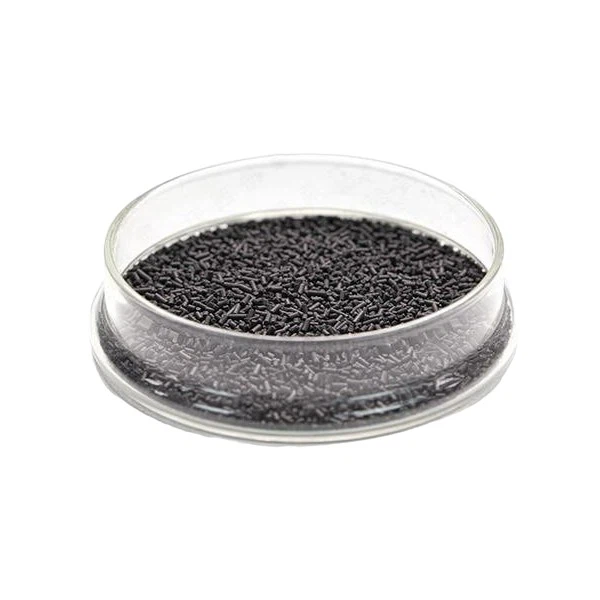

In most cases, a medium - packing density is a good compromise. It offers a reasonable amount of gas flow with relatively low resistance, while also keeping the sieve particles stable. But the exact optimal density can vary depending on the specific application, the size of the adsorption column, and the characteristics of the carbon molecular sieve itself.
Other Related Products
We also offer other great carbon molecular sieves, like JXSEP®LG - 610 Carbon Molecular Sieve and Carbon Molecular Sieve - JXSEP®HG - 110. These products have their own unique properties and might be more suitable for different applications.
Making the Right Choice
If you're in the market for carbon molecular sieves, it's important to consider all these factors. You need to think about your specific requirements, such as the desired nitrogen purity, the production capacity, and your budget.
As a supplier, I'm here to help you make the right decision. We have a team of experts who can analyze your needs and recommend the best packing density and type of carbon molecular sieve for your application.
Contact for Purchase and Consultation
If you're interested in learning more about our Carbon Molecular Sieve - 330 or other products, or if you want to discuss the optimal packing density for your specific situation, don't hesitate to reach out. We're always happy to have a chat and help you find the best solution for your business. Whether you're a small - scale operation or a large industrial plant, we can provide you with high - quality products and professional advice.
References
- Smith, J. (2020). "Carbon Molecular Sieves: Properties and Applications". Journal of Separation Science.
- Brown, A. (2019). "Effect of Packing Density on Gas Flow in Adsorption Columns". Chemical Engineering Research.