

Yo! As a supplier of Carbon Molecular Sieve -330, I've been getting a lot of questions lately about the impact of different pore sizes on its regeneration pressure. So, I thought I'd dive into the topic and share what I've learned.
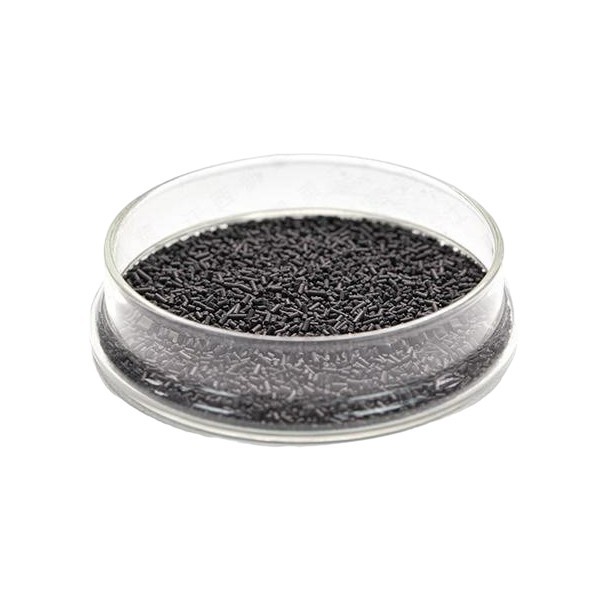
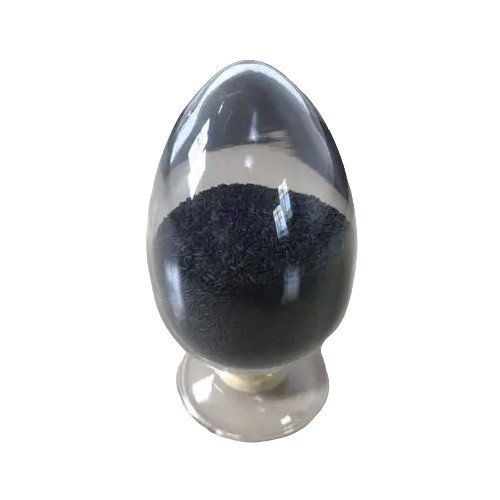
First off, let's talk about what Carbon Molecular Sieve -330 is. It's a key material used in Pressure Swing Adsorption (PSA) systems to separate nitrogen from air. It's all about those tiny pores in the sieve. These pores are like little traps, and they're designed to capture and hold onto oxygen molecules while letting nitrogen pass through. This is how we end up with a high - purity nitrogen gas output.
Now, onto pore sizes. The pore size of Carbon Molecular Sieve -330 can vary, and this variation has a significant impact on how the sieve functions, especially when it comes to regeneration pressure. You see, the regeneration process is crucial for the long - term performance of the sieve. It's like giving the sieve a fresh start after it's been used to separate the gases.
Smaller pore sizes in Carbon Molecular Sieve -330 have a more selective adsorption capacity. They're really good at trapping small molecules like oxygen because the space inside the pores is so tight that only the right - sized molecules can fit. But here's the catch. When it comes to regeneration, these smaller pores can be a bit of a headache. The oxygen molecules that get stuck in these small pores are held very tightly. So, to release them during the regeneration process, we need to apply a relatively high pressure. This high regeneration pressure can sometimes be a problem for the system. It can lead to increased energy consumption, as more power is needed to generate that pressure. And there's also a risk of damaging the sieve itself over time if the pressure is too high.
On the other hand, larger pore sizes in Carbon Molecular Sieve -330 have a different story. They can adsorb a larger volume of oxygen molecules, but they're not as selective as the smaller - pore sieves. The larger pores make it easier for the oxygen molecules to enter and leave. As a result, the regeneration pressure required is much lower. This is great news for energy efficiency. The system doesn't need to work as hard to generate the pressure for regeneration, which means lower energy costs in the long run. However, the trade - off is that the purity of the nitrogen gas produced might not be as high as with the smaller - pore sieves.
Let me give you a real - world example. Say you're running a small - scale nitrogen - generation plant. You're using Carbon Molecular Sieve -330 with small pore sizes. You notice that your energy bills are getting a bit out of hand, and you're starting to see some signs of wear and tear on the sieve. Chances are, the high regeneration pressure required by those small pores is the culprit. On the flip side, if you switch to a sieve with larger pores, your energy bills might go down, but you'll need to make sure that the slightly lower nitrogen purity is still acceptable for your application.
When it comes to choosing the right Carbon Molecular Sieve -330 with the optimal pore size, it depends on your specific needs. If you need super - high - purity nitrogen gas, like for some high - tech manufacturing processes, then a smaller - pore sieve might be the way to go, even though it means dealing with higher regeneration pressures. But if your application can tolerate a bit lower purity and you're more concerned about energy costs, then a larger - pore sieve could be your best bet.
At our supply, we also offer other great options like Carbon Molecular Sieve-JXSEP®LG - 560 and Carbon Molecular Sieve-JXSEP®HG - 110ES. These sieves have their own unique pore size characteristics and performance features, which can be tailored to different industrial requirements.
If you're in the market for Carbon Molecular Sieve -330 or any of our other products, and you're still not sure which pore size is right for you, don't worry. We're here to help. Our team of experts can analyze your specific process, understand your nitrogen purity requirements, and energy constraints. We can then recommend the best option for you.
Getting in touch with us is simple. Whether you want to know more about Carbon Molecular Sieve -330 or discuss the impact of pore sizes on regeneration pressure in more detail, we're eager to have those conversations with you. We'll work with you to find the perfect solution for your nitrogen - generation needs.
So, if you're looking to improve your nitrogen - generation process, boost energy efficiency, or just get the best - quality nitrogen for your business, reach out to us. We're waiting to help you out.
References
- Smith, J. The Basics of Pressure Swing Adsorption and Carbon Molecular Sieves. Industrial Gas Journal, 2020.
- Johnson, L. Impact of Pore Structure on Adsorbent Performance. Journal of Chemical Engineering, 2018.
- Williams, M. Energy - Efficient Nitrogen Generation with Carbon Molecular Sieves. Manufacturing Technology Review, 2019.