

What is the Isothermal Adsorption Curve of Carbon Molecular Sieve - JXF?
As a supplier of Carbon Molecular Sieve - JXF, I am often asked about the isothermal adsorption curve of this product. Understanding this curve is crucial for anyone interested in the application and performance of carbon molecular sieves in various industrial processes, especially in gas separation.
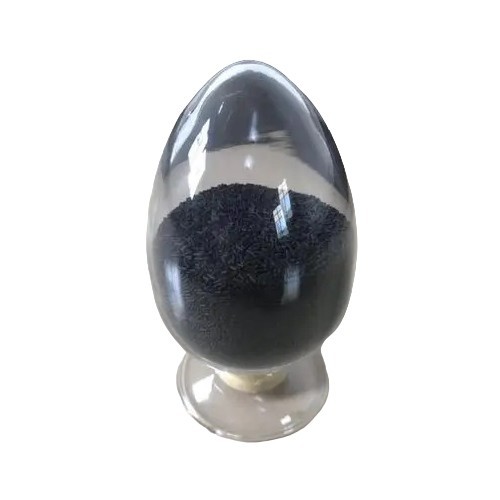
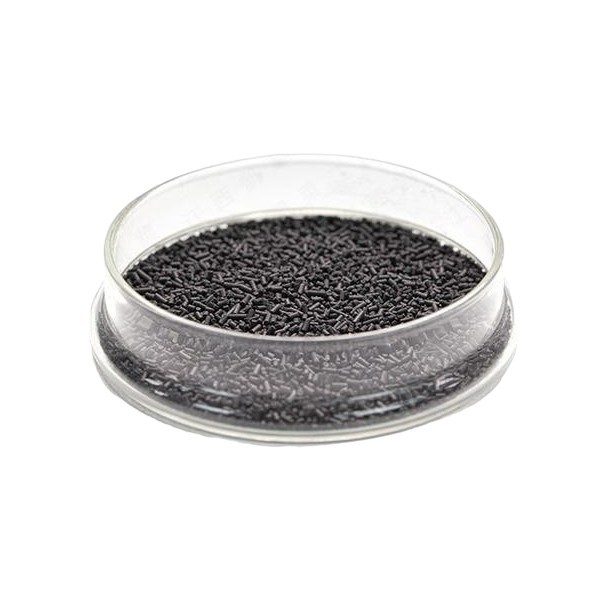
Introduction to Carbon Molecular Sieve - JXF
Carbon Molecular Sieve - JXF is a highly porous material with a unique pore structure that allows it to selectively adsorb different gases based on their molecular size and kinetic properties. It is widely used in pressure swing adsorption (PSA) processes for the separation of nitrogen from air, as well as other gas separation applications. Our company offers a range of products including Carbon Molecular Sieve - JXSEP®HG - 110, Carbon Molecular Sieve - JXSEP®HG - 110ES, and Carbon Molecular Sieve - JXSEP®LG - 560, each tailored to specific industrial needs.
Definition and Significance of Isothermal Adsorption Curve
An isothermal adsorption curve is a graphical representation of the relationship between the amount of gas adsorbed on a solid adsorbent (in this case, Carbon Molecular Sieve - JXF) and the equilibrium pressure of the gas at a constant temperature. This curve provides valuable information about the adsorption capacity, affinity, and selectivity of the adsorbent for different gases.
The shape of the isothermal adsorption curve can vary depending on the nature of the adsorbent - adsorbate interaction. For Carbon Molecular Sieve - JXF, the curve is typically of the Type I isotherm according to the IUPAC classification. This type of isotherm is characterized by a rapid increase in adsorption at low pressures, followed by a plateau at higher pressures, indicating monolayer adsorption on the surface of the adsorbent.
Factors Affecting the Isothermal Adsorption Curve of Carbon Molecular Sieve - JXF
Pore Structure
The pore size distribution of Carbon Molecular Sieve - JXF plays a significant role in determining the shape and characteristics of the isothermal adsorption curve. The narrow pores of the carbon molecular sieve are designed to selectively adsorb smaller gas molecules, such as oxygen, while allowing larger molecules, like nitrogen, to pass through. This selective adsorption is reflected in the adsorption capacity and selectivity shown in the isotherm.
Temperature
As the name suggests, the isothermal adsorption curve is measured at a constant temperature. However, temperature can have a profound effect on the adsorption process. Generally, adsorption is an exothermic process, meaning that the amount of gas adsorbed decreases with increasing temperature. Therefore, different isothermal adsorption curves can be obtained at different temperatures, with lower temperatures favoring higher adsorption capacities.
Gas Composition
The composition of the gas mixture also affects the isothermal adsorption curve. In a gas separation process, the presence of multiple gases can lead to competitive adsorption on the surface of the carbon molecular sieve. For example, in the separation of nitrogen from air, oxygen and nitrogen compete for the adsorption sites on the carbon molecular sieve. The relative concentrations of these gases in the feed mixture can influence the adsorption capacity and selectivity of the adsorbent.
Applications of the Isothermal Adsorption Curve in Gas Separation
Nitrogen Generation
One of the most common applications of Carbon Molecular Sieve - JXF is in nitrogen generation through PSA technology. The isothermal adsorption curve helps in optimizing the operating conditions of the PSA process, such as pressure, temperature, and feed gas flow rate. By understanding the adsorption behavior of oxygen and nitrogen on the carbon molecular sieve, engineers can design PSA systems that achieve high - purity nitrogen production with maximum efficiency.
Other Gas Separation Processes
Carbon Molecular Sieve - JXF can also be used in the separation of other gas mixtures, such as hydrogen purification, carbon dioxide capture, and natural gas upgrading. In each of these applications, the isothermal adsorption curve provides valuable insights into the performance of the carbon molecular sieve and helps in the design and optimization of the separation process.
Measuring the Isothermal Adsorption Curve of Carbon Molecular Sieve - JXF
The isothermal adsorption curve of Carbon Molecular Sieve - JXF can be measured using various techniques, such as volumetric or gravimetric methods. In a volumetric method, the amount of gas adsorbed is determined by measuring the change in volume of the gas in a closed system at a constant temperature. In a gravimetric method, the mass of the adsorbent is measured before and after adsorption to determine the amount of gas adsorbed.
These measurements are typically carried out at different pressures to obtain a complete isothermal adsorption curve. The data obtained from these measurements can then be analyzed using various adsorption models, such as the Langmuir or Freundlich models, to further understand the adsorption mechanism and to predict the performance of the carbon molecular sieve under different conditions.
Importance of Understanding the Isothermal Adsorption Curve for Our Customers
As a supplier of Carbon Molecular Sieve - JXF, we understand the importance of providing our customers with accurate information about the isothermal adsorption curve of our products. This knowledge allows our customers to make informed decisions when selecting the appropriate carbon molecular sieve for their specific applications.
For example, if a customer requires high - purity nitrogen production, they can use the isothermal adsorption curve to compare the performance of different carbon molecular sieve products and choose the one that offers the best adsorption capacity and selectivity for oxygen. Additionally, understanding the factors that affect the isothermal adsorption curve can help our customers optimize the operating conditions of their gas separation processes, leading to increased efficiency and cost savings.
Conclusion
In conclusion, the isothermal adsorption curve of Carbon Molecular Sieve - JXF is a fundamental characteristic that provides valuable information about the adsorption behavior and performance of the product in gas separation processes. By understanding the factors that affect the isothermal adsorption curve, such as pore structure, temperature, and gas composition, our customers can make informed decisions when selecting and using our carbon molecular sieve products.
If you are interested in learning more about our Carbon Molecular Sieve - JXF products or have specific requirements for your gas separation application, please feel free to contact us for a detailed discussion. We are committed to providing high - quality products and excellent technical support to meet your needs.
References
- Rouquerol, F., Rouquerol, J., & Sing, K. (1999). Adsorption by Powders and Porous Solids: Principles, Methodology and Applications. Academic Press.
- Yang, R. T. (1987). Gas Separation by Adsorption Processes. Butterworth Publishers.
- Do, D. D. (1998). Adsorption Analysis: Equilibria and Kinetics. Imperial College Press.