

As a trusted supplier of Carbon Molecular Sieve - JXF, I am frequently asked about the purity of nitrogen that can be achieved using our product. In this blog post, I will delve into the details of how Carbon Molecular Sieve - JXF works and the factors that influence the nitrogen purity it can deliver.
Understanding Carbon Molecular Sieve - JXF
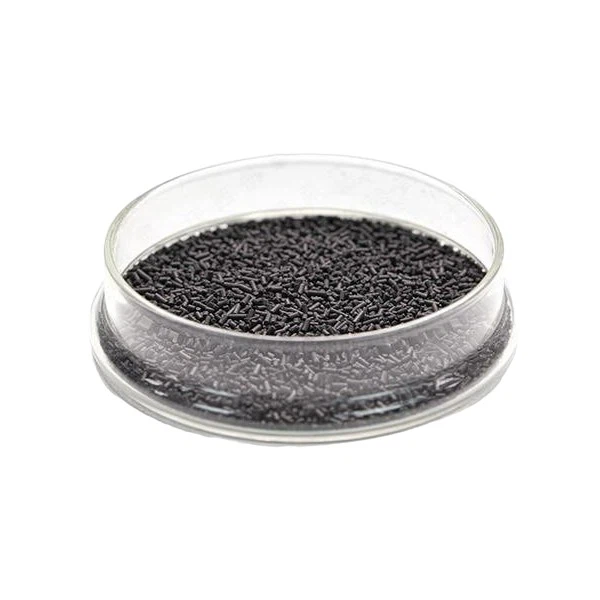
Carbon Molecular Sieve (CMS) is a porous material with a unique structure that allows it to selectively adsorb different gases based on their molecular size and shape. Our Carbon Molecular Sieve - JXF is a high - performance product designed specifically for nitrogen generation. It has a well - defined pore structure that enables it to effectively separate oxygen from air, leaving behind a high - purity nitrogen stream.
There are different grades of our carbon molecular sieves, such as Carbon Molecular Sieve - JXSEP®LG - 560, JXSEP®LG - 610 Carbon Molecular Sieve, and JXSEP HG - 90 Carbon Molecular Sieve. Each grade is optimized for different applications and performance requirements.
How Carbon Molecular Sieve - JXF Separates Nitrogen from Air
The separation process using Carbon Molecular Sieve - JXF is based on the principle of pressure swing adsorption (PSA). In a PSA nitrogen generator, air is compressed and passed through a bed of Carbon Molecular Sieve - JXF. Oxygen molecules, being smaller in size compared to nitrogen molecules, are preferentially adsorbed onto the surface of the carbon molecular sieve.
As the air flows through the sieve bed, the oxygen is trapped, and the remaining gas stream is enriched in nitrogen. Once the sieve bed reaches its adsorption capacity, the pressure is reduced, and the adsorbed oxygen is desorbed. This regenerates the sieve bed, making it ready for the next adsorption cycle.
Factors Affecting Nitrogen Purity
Several factors can influence the purity of nitrogen obtained using Carbon Molecular Sieve - JXF:
1. Feed Air Quality
The quality of the feed air is crucial. If the feed air contains contaminants such as oil, water, or dust, these can foul the carbon molecular sieve and reduce its adsorption capacity. This, in turn, can lead to a decrease in nitrogen purity. Therefore, it is essential to pre - treat the feed air using filters and dryers to remove these contaminants.
2. Operating Pressure and Temperature
The operating pressure and temperature of the PSA nitrogen generator also play a significant role. Higher operating pressures generally result in better adsorption of oxygen, leading to higher nitrogen purity. However, extremely high pressures can also cause mechanical stress on the sieve bed.
Temperature affects the adsorption kinetics. Lower temperatures are more favorable for oxygen adsorption, as the adsorption process is exothermic. Therefore, maintaining a relatively low and stable temperature in the PSA system can help improve nitrogen purity.
3. Flow Rate
The flow rate of the feed air through the sieve bed is another important factor. If the flow rate is too high, the oxygen may not have enough time to be adsorbed onto the sieve, resulting in lower nitrogen purity. On the other hand, a very low flow rate may not be cost - effective.
4. Carbon Molecular Sieve Quality
The quality of the Carbon Molecular Sieve - JXF itself is a determining factor. Our JXF series of carbon molecular sieves are manufactured using advanced processes to ensure a high degree of uniformity in pore size and distribution. This uniformity allows for more efficient oxygen adsorption and better nitrogen separation.
Typical Nitrogen Purity Achievable
Under optimal operating conditions, Carbon Molecular Sieve - JXF can achieve nitrogen purities ranging from 95% to 99.999%. For applications that require lower purity nitrogen, such as blanketing in some industrial processes, a purity of 95% - 99% may be sufficient.
For more demanding applications, such as in the electronics or food packaging industries, where high - purity nitrogen is required to prevent oxidation and contamination, purities of 99.9% or higher can be achieved.
Applications of High - Purity Nitrogen
The high - purity nitrogen obtained using Carbon Molecular Sieve - JXF has a wide range of applications:

1. Electronics Industry
In the electronics industry, high - purity nitrogen is used for soldering, wave soldering, and reflow soldering processes. It helps prevent oxidation of the components and ensures a high - quality solder joint.
2. Food Packaging Industry
Nitrogen is used to displace oxygen in food packaging to extend the shelf life of products. High - purity nitrogen helps maintain the freshness and quality of food by preventing spoilage and rancidity.
3. Chemical Industry
In the chemical industry, nitrogen is used as an inert gas for purging, blanketing, and pressure transfer. High - purity nitrogen is essential to prevent unwanted chemical reactions and ensure the safety of the processes.
Conclusion
Carbon Molecular Sieve - JXF is a reliable and efficient solution for generating high - purity nitrogen. By carefully controlling the feed air quality, operating conditions, and flow rate, users can achieve the desired nitrogen purity for their specific applications.
If you are interested in purchasing Carbon Molecular Sieve - JXF for your nitrogen generation needs, we invite you to contact us for a detailed discussion. Our team of experts can help you select the right grade of carbon molecular sieve based on your requirements and provide you with technical support throughout the installation and operation process.
References
- Ruthven, D. M., Farooq, S., & Knaebel, K. S. (1994). Pressure Swing Adsorption. John Wiley & Sons.
- Yang, R. T. (1987). Gas Separation by Adsorption Processes. Butterworth Publishers.