

Carbon Molecular Sieve - 330 (CMS - 330) is a crucial adsorbent widely used in Pressure Swing Adsorption (PSA) processes for nitrogen generation. One of the key parameters in the operation of a PSA system using CMS - 330 is the regeneration gas flow rate. In this blog, as a supplier of CMS - 330, I will delve into the concept of regeneration gas flow rate, its significance, factors affecting it, and how to determine the appropriate value for efficient operation.
Understanding the Regeneration Gas Flow Rate
The regeneration gas flow rate refers to the volume of gas used to regenerate the Carbon Molecular Sieve - 330 during the desorption phase of the PSA cycle. In a PSA nitrogen generation system, the CMS - 330 adsorbs oxygen and other impurities from the feed air under high pressure, leaving nitrogen as the product gas. Over time, the CMS - 330 becomes saturated with the adsorbed components, and it needs to be regenerated to restore its adsorption capacity. This is achieved by reducing the pressure and passing a certain amount of gas through the CMS bed to carry away the desorbed impurities.

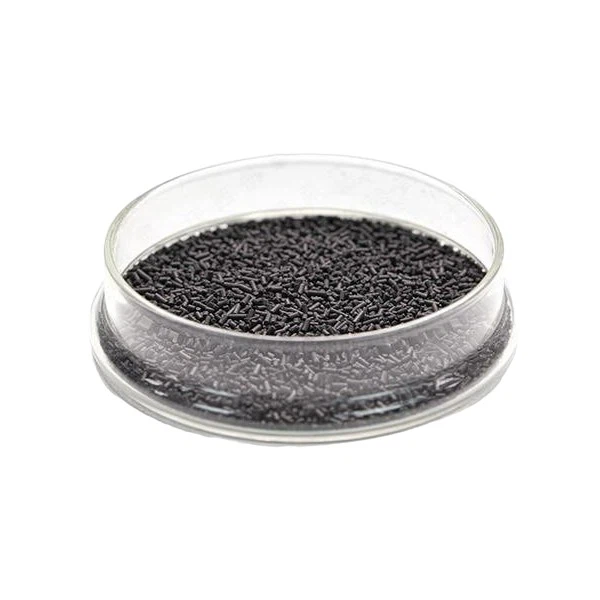
The regeneration gas is typically a portion of the product nitrogen. By adjusting the flow rate of this regeneration gas, we can control the efficiency of the desorption process and ensure that the CMS - 330 is effectively regenerated for the next adsorption cycle.
Significance of the Regeneration Gas Flow Rate
The proper selection of the regeneration gas flow rate is essential for several reasons:
- Adsorption Capacity Restoration: A sufficient flow rate of regeneration gas is required to remove the adsorbed impurities from the CMS - 330 pores. If the flow rate is too low, the desorption process will be incomplete, and the CMS - 330 will not regain its full adsorption capacity. This can lead to a decrease in the purity and production rate of the product nitrogen over time.
- Energy Efficiency: On the other hand, an excessively high regeneration gas flow rate will result in unnecessary energy consumption. More energy is required to compress the additional gas, and this can increase the operating cost of the PSA system. Therefore, finding the optimal flow rate is crucial to balance the regeneration efficiency and energy consumption.
- System Stability: Maintaining a stable regeneration gas flow rate helps to ensure the consistent performance of the PSA system. Fluctuations in the flow rate can cause variations in the desorption process, leading to instability in the nitrogen purity and production rate.
Factors Affecting the Regeneration Gas Flow Rate
Several factors influence the appropriate regeneration gas flow rate for CMS - 330:
- Feed Gas Composition: The composition of the feed air affects the amount of impurities adsorbed by the CMS - 330. If the feed air contains a higher concentration of oxygen or other contaminants, more regeneration gas may be required to remove these impurities during the desorption process.
- Operating Pressure and Temperature: The operating pressure and temperature of the PSA system also play a role in determining the regeneration gas flow rate. Higher pressures generally require more gas for desorption, while higher temperatures can enhance the desorption rate, potentially reducing the required flow rate.
- CMS - 330 Characteristics: The properties of the Carbon Molecular Sieve - 330, such as its pore size distribution, surface area, and adsorption capacity, can affect the desorption process. Different batches of CMS - 330 may have slightly different characteristics, which may require adjustments to the regeneration gas flow rate.
- Desired Nitrogen Purity and Production Rate: The target purity and production rate of the product nitrogen also influence the regeneration gas flow rate. Higher purity requirements may necessitate a more thorough regeneration process, which may require a higher flow rate of regeneration gas.
Determining the Appropriate Regeneration Gas Flow Rate
To determine the optimal regeneration gas flow rate for a specific PSA system using CMS - 330, the following steps can be taken:
- System Design and Calculation: During the design phase of the PSA system, engineers use mathematical models and empirical data to estimate the required regeneration gas flow rate based on the feed gas composition, operating conditions, and desired nitrogen purity and production rate. These calculations take into account the adsorption and desorption kinetics of the CMS - 330 and the mass transfer processes within the PSA bed.
- Experimental Testing: Once the PSA system is installed, experimental testing is often conducted to fine - tune the regeneration gas flow rate. By monitoring the nitrogen purity and production rate at different flow rates, the optimal value can be determined. This may involve running the system under various operating conditions and adjusting the flow rate until the desired performance is achieved.
- Continuous Monitoring and Adjustment: After the initial setup, it is important to continuously monitor the performance of the PSA system and make adjustments to the regeneration gas flow rate as needed. Changes in the feed gas composition, operating conditions, or CMS - 330 properties over time may require corresponding changes in the flow rate to maintain the system's efficiency.
Comparison with Other Carbon Molecular Sieves
In addition to Carbon Molecular Sieve - 330, there are other types of carbon molecular sieves available in the market, such as JXSEP®LG - 610 Carbon Molecular Sieve, Carbon Molecular Sieve - JXSEP®HG - 110ES, and Carbon Molecular Sieve - JXSEP®LG - 560. Each type of carbon molecular sieve has its own unique properties and is suitable for different applications.
The regeneration gas flow rate requirements for these other carbon molecular sieves may also vary depending on their specific characteristics. For example, a carbon molecular sieve with a higher adsorption capacity may require a higher flow rate of regeneration gas to ensure complete desorption. Therefore, it is important to select the appropriate carbon molecular sieve for the specific application and to optimize the regeneration gas flow rate accordingly.
Conclusion
The regeneration gas flow rate is a critical parameter in the operation of a PSA system using Carbon Molecular Sieve - 330. By understanding its significance, the factors affecting it, and how to determine the appropriate value, we can ensure the efficient and stable operation of the PSA system, achieving high - purity nitrogen production with minimal energy consumption.
If you are interested in purchasing Carbon Molecular Sieve - 330 or need more information about its application and operation, please feel free to contact us for procurement discussions. We are committed to providing high - quality products and professional technical support to meet your specific needs.
References
- Yang, R. T. (1987). Gas Separation by Adsorption Processes. Butterworths.
- Ruthven, D. M., Farooq, S., & Knaebel, K. S. (1994). Pressure Swing Adsorption. VCH Publishers.
- Sircar, S., & Golden, T. C. (2005). Adsorption and PSA Processes for Gas Separation. Elsevier.