

Hey there! As a supplier of Carbon Molecular Sieve - 330, I often get asked about the surface area of this product. So, I thought I'd take a few minutes to break it down for you.
First off, let's talk about what Carbon Molecular Sieve - 330 is. It's a super useful material mainly used in pressure swing adsorption (PSA) systems for separating nitrogen from air. It has tiny pores that allow smaller molecules like oxygen to diffuse in and get adsorbed, while larger nitrogen molecules pass through, resulting in high - purity nitrogen production.
Now, the surface area of Carbon Molecular Sieve - 330 is a crucial factor. Surface area determines how much of the sieve is available to interact with gas molecules. A larger surface area means more adsorption sites, which generally leads to better separation efficiency and higher nitrogen purity.
Typically, the surface area of Carbon Molecular Sieve - 330 is measured using the Brunauer - Emmett - Teller (BET) method. This method involves measuring the amount of gas adsorbed on the surface of the material at different pressures. The surface area obtained from the BET method is usually given in square meters per gram (m²/g).
For Carbon Molecular Sieve - 330, the surface area can vary depending on factors like the manufacturing process, raw materials, and post - treatment. Generally, it has a relatively high surface area, often in the range of 800 - 1200 m²/g. This high surface area gives it excellent adsorption capacity for oxygen molecules.
Let's compare it with some of our other products. We also offer the JXSEP®LG - 610 Carbon Molecular Sieve. This one has its own unique surface area characteristics. It's designed for different applications and might have a surface area optimized for specific gas separation requirements. Similarly, the JXSEP HG - 90 Carbon Molecular Sieve is another great product in our lineup. Each product is tailored to different customer needs, and the surface area plays a key role in determining its performance.
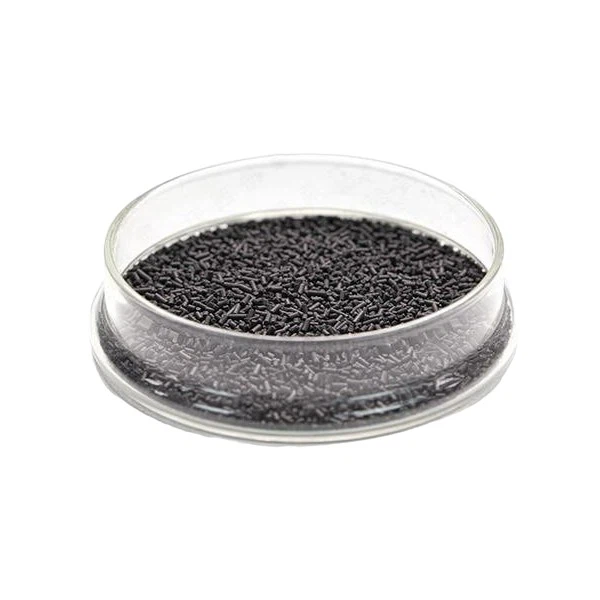
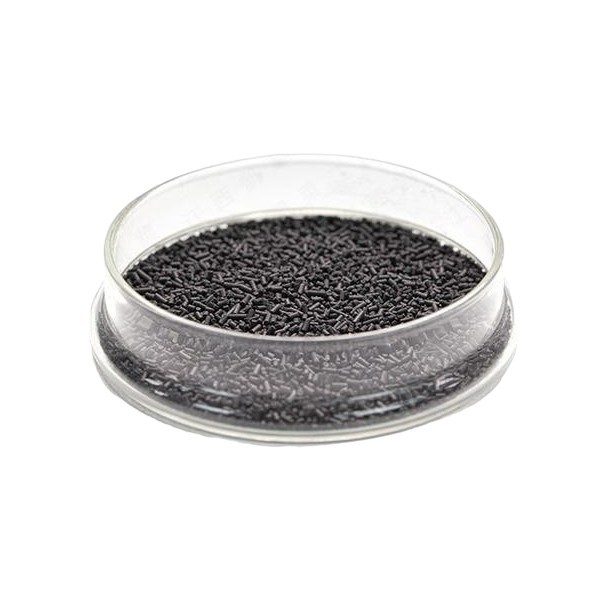
Our Carbon Molecular Sieve - JXSEP®LG - 560 also has a well - defined surface area that contributes to its efficient gas separation properties. When customers are choosing between these products, the surface area is one of the main factors they consider.
Why is a high surface area so important for Carbon Molecular Sieve - 330? Well, in a PSA nitrogen generator, the more surface area the sieve has, the more oxygen it can adsorb in a given time. This means that the system can produce nitrogen at a higher rate and with better purity. In industrial applications where large amounts of high - purity nitrogen are needed, such as in the food packaging industry to prevent oxidation of products or in the electronics industry for soldering processes, a high - surface - area Carbon Molecular Sieve - 330 is essential.
Another aspect to consider is the stability of the surface area over time. Our Carbon Molecular Sieve - 330 is manufactured using high - quality processes to ensure that the surface area remains stable during long - term use. This is important because if the surface area decreases due to factors like contamination or thermal degradation, the performance of the sieve will decline, and the nitrogen production will be affected.
We've done a lot of testing on our Carbon Molecular Sieve - 330 to ensure its surface area meets the required standards. Our quality control team uses advanced equipment to measure the surface area accurately and make sure that each batch of the product performs consistently.
If you're in the market for Carbon Molecular Sieve - 330 or any of our other carbon molecular sieve products, it's important to understand how the surface area affects the performance. Whether you're running a small - scale nitrogen generator for a laboratory or a large - scale industrial plant, the right choice of sieve can make a big difference in your operations.
We're always here to help you choose the best product for your needs. If you have any questions about the surface area, performance, or any other aspect of our Carbon Molecular Sieve - 330, feel free to reach out. We can provide you with detailed technical specifications and advice on how to optimize your nitrogen generation system.
In conclusion, the surface area of Carbon Molecular Sieve - 330 is a key parameter that directly impacts its gas separation performance. With its high surface area, stability, and excellent adsorption properties, it's a top - choice product for many industries. If you're interested in purchasing our Carbon Molecular Sieve - 330 or want to learn more about our other products, don't hesitate to get in touch for a detailed discussion and to start the procurement process.
References:
- Brunauer, S., Emmett, P. H., & Teller, E. (1938). Adsorption of gases in multimolecular layers. Journal of the American Chemical Society, 60(2), 309 - 319.
- Pressure Swing Adsorption Technology: Principles and Applications. Various industry - specific research papers on PSA and carbon molecular sieves.