

Can Carbon Molecular Sieve -330 be used in the propane - propylene separation process?
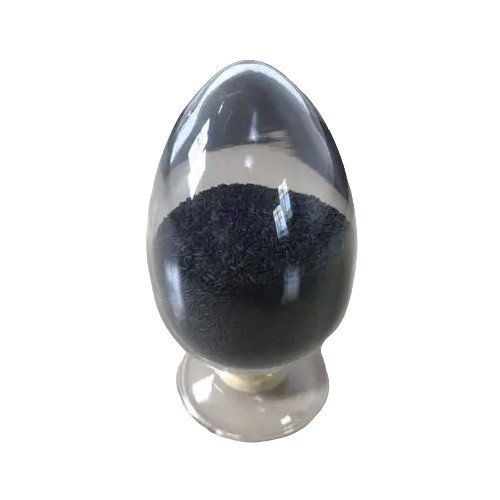

As a supplier of Carbon Molecular Sieve -330, I am often asked about the potential applications of our product, especially its suitability for the propane - propylene separation process. In this blog post, I will delve into the properties of Carbon Molecular Sieve -330 and explore whether it can be effectively used in this crucial industrial separation.
Understanding Propane - Propylene Separation
Propane and propylene are important hydrocarbons in the petrochemical industry. Propylene is a key building block for the production of polypropylene, which is widely used in plastics, fibers, and other materials. However, propane and propylene often co - exist in mixtures, and their separation is a challenging task due to their similar physical and chemical properties.
Traditional separation methods, such as distillation, are energy - intensive. Distillation relies on the difference in boiling points between propane and propylene. Propane has a boiling point of - 42.1 °C, while propylene has a boiling point of - 47.6 °C. This small difference requires large distillation columns with many trays and a significant amount of energy to achieve high - purity separation. As a result, there is a growing interest in alternative separation technologies, such as adsorption - based processes.
Properties of Carbon Molecular Sieve -330
Carbon Molecular Sieve -330 is a type of adsorbent with unique properties that make it a potential candidate for gas separation applications. It is composed of microporous carbon with a narrow pore size distribution. The pore size of Carbon Molecular Sieve -330 is carefully engineered to selectively adsorb certain molecules based on their size and shape.
One of the key advantages of Carbon Molecular Sieve -330 is its high adsorption capacity. It can adsorb a relatively large amount of gas molecules within its pores. Additionally, it has a fast adsorption and desorption rate, which is crucial for continuous separation processes. The surface of the carbon molecular sieve also has a certain degree of polarity, which can interact with gas molecules through various forces, such as van der Waals forces and electrostatic interactions.
Potential for Propane - Propylene Separation
The separation of propane and propylene using Carbon Molecular Sieve -330 is based on the principle of kinetic separation. Propane and propylene have different molecular sizes and diffusion rates. Propylene molecules are slightly smaller than propane molecules. In a Carbon Molecular Sieve -330 bed, propylene molecules can diffuse more quickly into the pores of the sieve compared to propane molecules.
When a mixture of propane and propylene passes through a bed of Carbon Molecular Sieve -330, propylene is preferentially adsorbed due to its faster diffusion rate. The un - adsorbed propane can then be collected as the product stream. Subsequently, the adsorbed propylene can be desorbed by reducing the pressure or increasing the temperature, allowing for the regeneration of the adsorbent and the recovery of the propylene.
However, several factors need to be considered when using Carbon Molecular Sieve -330 for propane - propylene separation. Firstly, the selectivity of the separation depends on the pore size distribution of the sieve. If the pore size is not precisely controlled, both propane and propylene may be adsorbed to some extent, reducing the separation efficiency. Secondly, the presence of impurities in the feed gas, such as moisture and other hydrocarbons, can affect the performance of the adsorbent. Moisture, in particular, can compete with propane and propylene for adsorption sites on the sieve, reducing its adsorption capacity.
Comparison with Other Carbon Molecular Sieves
In addition to Carbon Molecular Sieve -330, there are other types of carbon molecular sieves available in the market, such as Carbon Molecular Sieve - JXSEP®LG - 560 and Carbon Molecular Sieve - JXSEP®HG - 110ES. Each type of sieve has its own unique properties and is suitable for different applications.
Carbon Molecular Sieve - JXSEP®LG - 560 may have a different pore size distribution and surface properties compared to Carbon Molecular Sieve -330. It may be more suitable for applications where a different level of selectivity or adsorption capacity is required. Similarly, Carbon Molecular Sieve - JXSEP®HG - 110ES may have specific features that make it advantageous in certain separation processes.
When choosing a carbon molecular sieve for propane - propylene separation, it is important to conduct detailed laboratory tests and pilot - scale experiments to evaluate the performance of different sieves under actual operating conditions. Factors such as separation efficiency, adsorption capacity, and regeneration ability need to be carefully considered.
Industrial Applications and Case Studies
Although the use of Carbon Molecular Sieve -330 in propane - propylene separation is still in the research and development stage in some cases, there have been some successful industrial applications of carbon molecular sieves in gas separation processes. In some natural gas purification plants, carbon molecular sieves are used to separate different components of natural gas based on their molecular sizes.
In the case of propane - propylene separation, some companies have conducted pilot - scale tests using carbon molecular sieve - based adsorption processes. These tests have shown promising results in terms of energy savings and separation efficiency compared to traditional distillation methods. However, further optimization and scale - up are still required before widespread industrial adoption can be achieved.
Future Outlook
The future of using Carbon Molecular Sieve -330 in propane - propylene separation looks promising. With the continuous improvement of sieve manufacturing technology, it is possible to further optimize the pore size distribution and surface properties of the sieve to enhance its separation performance. Additionally, the development of advanced process control systems can help to improve the stability and efficiency of the adsorption - based separation process.
As the demand for propylene continues to grow in the petrochemical industry, and the need for energy - efficient separation technologies becomes more urgent, Carbon Molecular Sieve -330 may play an increasingly important role in propane - propylene separation.
Contact for Purchase and Discussion
If you are interested in learning more about Carbon Molecular Sieve -330 and its potential for propane - propylene separation, or if you are considering using our product in your industrial processes, please feel free to contact us. We are more than happy to discuss your specific requirements and provide you with detailed technical information and product samples. Our team of experts can also assist you in conducting feasibility studies and process optimization.
References
- Yang, R. T. (1987). Gas Separation by Adsorption Processes. Butterworth Publishers.
- Ruthven, D. M., Farooq, S., & Knaebel, K. S. (1994). Pressure Swing Adsorption. VCH Publishers.
- Li, J., & Yang, R. T. (2006). Adsorptive separation of propane/propylene mixtures using metal - organic frameworks. Journal of the American Chemical Society, 128(38), 12664 - 12665.