

Hey there! I'm a supplier of Carbon Molecular Sieve - JXF, and today I wanna dig into how the composition of the feed gas can affect the performance of this amazing product.
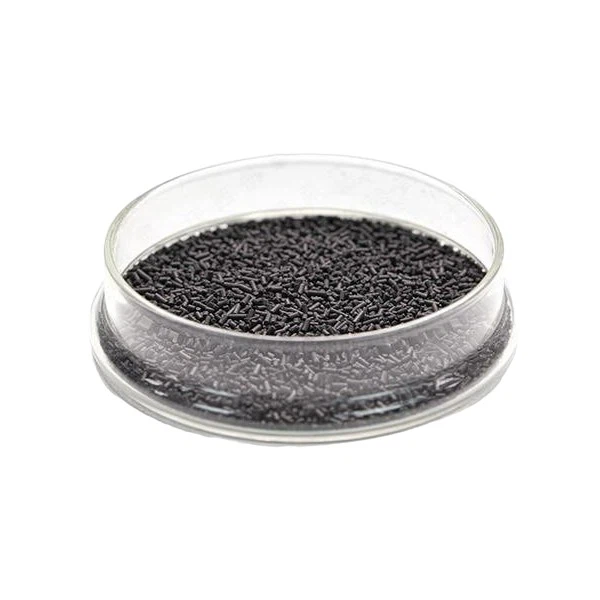
First off, let's understand what Carbon Molecular Sieve - JXF is. It's a super - useful material in the field of gas separation. We've got some great products like Carbon Molecular Sieve - JXSEP®LG - 560, JXSEP HG - 90 Carbon Molecular Sieve, and JXSEP®LG - 610 Carbon Molecular Sieve. These are all top - notch in the market and have been used in various industrial applications.
Now, let's talk about the feed gas. The feed gas is the mixture of gases that we're trying to separate using the carbon molecular sieve. The composition of this feed gas can have a huge impact on how well the sieve works.
1. Effect of Major Components
Nitrogen and Oxygen
In most cases, when we're using carbon molecular sieve for air separation to produce nitrogen, the main components of the feed gas are nitrogen and oxygen. The carbon molecular sieve works based on the difference in the diffusion rates of these two gases. Oxygen molecules are smaller and can diffuse into the pores of the sieve more quickly than nitrogen molecules.
If the ratio of oxygen to nitrogen in the feed gas changes, it can mess with the separation efficiency. For example, if there's a higher percentage of oxygen in the feed gas, the sieve has to work harder to separate it from nitrogen. This might lead to a lower purity of the nitrogen product. On the other hand, if the oxygen content is relatively low, the sieve can more easily produce high - purity nitrogen.
Other Gases
There could be other gases present in the feed gas as well, like carbon dioxide, water vapor, and trace amounts of hydrocarbons. Carbon dioxide can adsorb onto the surface of the carbon molecular sieve. If the concentration of carbon dioxide in the feed gas is high, it can block the pores of the sieve. This reduces the available surface area for the separation of nitrogen and oxygen, thus decreasing the overall performance of the sieve.
Water vapor is another tricky one. It can condense inside the pores of the sieve, especially at lower temperatures. This not only blocks the pores but can also cause chemical reactions on the surface of the sieve over time, which can degrade its performance. Hydrocarbons, even in small amounts, can deposit on the sieve surface and change its adsorption properties.
2. Impurities in the Feed Gas
Dust and Particulates
Dust and other particulates in the feed gas can be a real headache. These particles can physically block the pores of the carbon molecular sieve. If the feed gas isn't properly filtered before entering the separation unit, these particulates can build up over time and reduce the sieve's ability to separate gases effectively.
Chemical Impurities
There could be chemical impurities in the feed gas, such as sulfur - containing compounds. These can react with the carbon molecular sieve and cause chemical changes to its structure. For example, sulfur compounds can form sulfur - containing substances on the sieve surface, which can change its adsorption characteristics and reduce its performance.
3. Impact on Adsorption Kinetics
The composition of the feed gas also affects the adsorption kinetics of the carbon molecular sieve. Different gases have different adsorption rates on the sieve. If the feed gas has a complex composition with multiple gases competing for adsorption sites, the adsorption process can become more complicated.
For instance, when there are several gases that can adsorb onto the sieve, the order and rate of adsorption can change. Some gases might adsorb more strongly and quickly, while others might be slower. This can lead to an imbalance in the separation process and affect the purity and yield of the desired product.

4. Effect on Sieve Lifespan
A feed gas with a high concentration of impurities or an unfavorable composition can significantly reduce the lifespan of the carbon molecular sieve. As we mentioned earlier, impurities like dust, carbon dioxide, and chemical compounds can damage the sieve over time.
If the sieve has to deal with a harsh feed gas environment, it will wear out faster. This means that the sieve will need to be replaced more frequently, which can increase the operating costs for the end - user.
5. Optimizing the Feed Gas Composition
To get the best performance out of the carbon molecular sieve, it's important to optimize the feed gas composition. This can be done through pre - treatment processes.
Filtration
Installing high - quality filters before the feed gas enters the separation unit can remove dust and particulates. This helps to keep the pores of the sieve clean and allows for better gas separation.
Removal of Impurities
Using processes like adsorption or chemical reactions to remove impurities such as carbon dioxide, water vapor, and sulfur - containing compounds from the feed gas can improve the performance of the sieve. For example, using a desiccant to remove water vapor or a catalyst to convert sulfur compounds into less harmful substances.
6. Case Studies
Let's take a look at some real - world examples. In a certain industrial plant that uses carbon molecular sieve for nitrogen production, they noticed a drop in the purity of the nitrogen product. After analyzing the feed gas composition, they found that the carbon dioxide content had increased due to a change in the upstream process.
By installing a carbon dioxide removal unit in the feed gas line, they were able to bring the carbon dioxide concentration back to an acceptable level. As a result, the purity of the nitrogen product improved, and the performance of the carbon molecular sieve was restored.
In another case, a plant was experiencing a short lifespan of their carbon molecular sieve. It turned out that the feed gas contained a relatively high amount of hydrocarbons. After implementing a hydrocarbon removal process, the sieve's lifespan increased significantly, and the overall operating costs were reduced.
7. Conclusion
In conclusion, the composition of the feed gas plays a crucial role in the performance of Carbon Molecular Sieve - JXF. The major components, impurities, and the overall gas mixture can all affect the separation efficiency, product purity, adsorption kinetics, and sieve lifespan.
As a supplier, we understand the importance of providing not only high - quality carbon molecular sieve products but also guidance on optimizing the feed gas composition. If you're facing any issues related to gas separation using carbon molecular sieve or want to learn more about how to improve the performance of your system, don't hesitate to reach out. We're here to help you make the most of our products and ensure smooth and efficient operation. Whether you're interested in Carbon Molecular Sieve - JXSEP®LG - 560, JXSEP HG - 90 Carbon Molecular Sieve, or JXSEP®LG - 610 Carbon Molecular Sieve, we can provide you with the best solutions for your specific needs.
If you're thinking about purchasing our carbon molecular sieve products or need more information for a potential project, we're just a message away. Contact us to start a discussion about your requirements and let's work together to achieve the best results in gas separation.
References
- Ruthven, D. M. (1984). Principles of Adsorption and Adsorption Processes. John Wiley & Sons.
- Yang, R. T. (1987). Gas Separation by Adsorption Processes. Butterworth Publishers.
- Sircar, S., & Golden, T. C. (2000). Adsorbents for gas separation and purification. Microporous and Mesoporous Materials, 35 - 36, 15 - 25.