

Hey there! As a supplier of Carbon Molecular Sieve - JXH, I've seen firsthand how the modification process can have a huge impact on these little wonders. In this blog, I'm gonna break down how the modification process affects Carbon Molecular Sieve - JXH and why it matters to you.
What is Carbon Molecular Sieve - JXH?
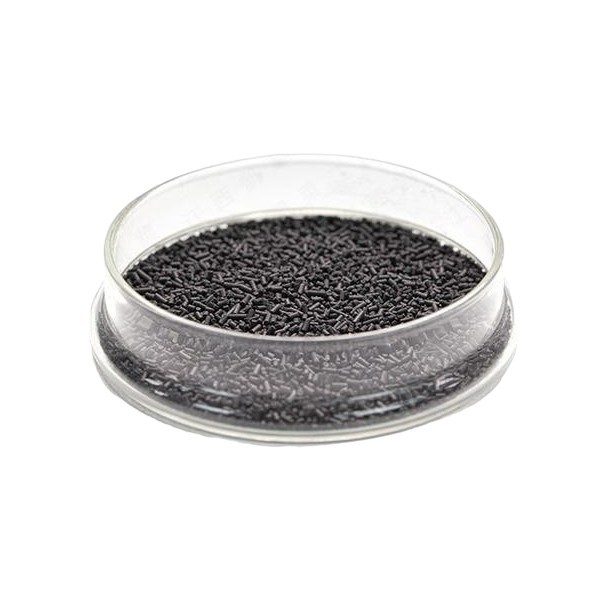
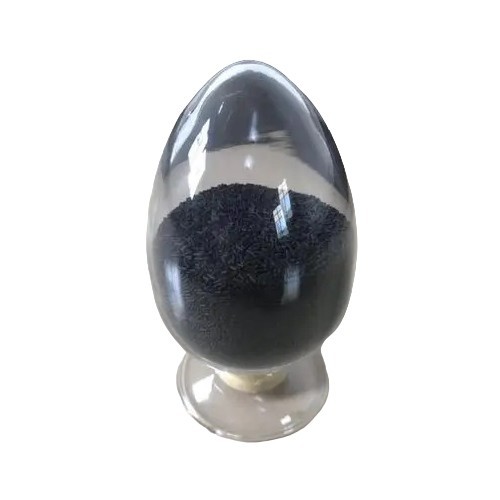
Before we dive into the modification process, let's quickly go over what Carbon Molecular Sieve - JXH is. It's a type of adsorbent material that's widely used in gas separation processes, especially for separating nitrogen from air. The JXH series of carbon molecular sieves are known for their high nitrogen production rate, long service life, and excellent adsorption performance. They're used in a variety of industries, including food packaging, electronics manufacturing, and chemical processing.
The Basics of Modification
The modification process of Carbon Molecular Sieve - JXH is all about tweaking its properties to make it perform better in specific applications. There are several ways to modify carbon molecular sieves, and each method targets different aspects of the material's performance.
One common modification method is surface modification. This involves changing the surface chemistry of the carbon molecular sieve to enhance its adsorption capacity. For example, by introducing specific functional groups on the surface, we can make the sieve more selective towards certain gases. Another method is pore structure modification. By adjusting the size and distribution of the pores in the carbon molecular sieve, we can control the diffusion rate of gases and improve the separation efficiency.
Impact on Adsorption Capacity
One of the most significant impacts of the modification process is on the adsorption capacity of Carbon Molecular Sieve - JXH. Adsorption capacity is a measure of how much gas a material can hold at a given temperature and pressure. When we modify the surface of the carbon molecular sieve, we can increase the number of active sites available for gas adsorption. This means that the sieve can hold more gas molecules, leading to a higher adsorption capacity.
For instance, if we're using Carbon Molecular Sieve - JXH to separate nitrogen from air, a higher adsorption capacity for nitrogen means that we can produce more nitrogen in a single cycle. This can significantly improve the efficiency of the nitrogen generation process and reduce the operating costs. Some of our modified products, like the JXSEP HG-90 Carbon Molecular Sieve, have shown remarkable improvements in adsorption capacity compared to the unmodified versions.
Selectivity Enhancement
Selectivity is another crucial factor in gas separation processes. It refers to the ability of the carbon molecular sieve to preferentially adsorb one gas over another. Through the modification process, we can enhance the selectivity of Carbon Molecular Sieve - JXH towards specific gases.
For example, in the separation of nitrogen and oxygen from air, we want the carbon molecular sieve to adsorb nitrogen while allowing oxygen to pass through. By modifying the pore structure and surface chemistry of the sieve, we can make it more selective towards nitrogen. This results in a higher purity of the separated nitrogen gas. Our Carbon Molecular Sieve - JXSEP®HG - 110ES is a prime example of a product with enhanced selectivity, which has been well - received in the market for its ability to produce high - purity nitrogen.
Diffusion and Kinetics
The modification process also affects the diffusion rate of gases within the carbon molecular sieve. Diffusion is the process by which gas molecules move through the pores of the sieve. A faster diffusion rate means that the gas can reach the adsorption sites more quickly, which improves the overall separation efficiency.
By modifying the pore size and distribution, we can control the diffusion rate of different gases. For example, if we make the pores slightly larger, the diffusion rate of larger gas molecules can be increased. However, we need to be careful not to make the pores too large, as this can reduce the selectivity of the sieve. Our Carbon Molecular Sieve - JXSEP®LG - 560 has been optimized through the modification process to achieve a good balance between diffusion rate and selectivity.
Stability and Durability
In addition to performance improvements, the modification process can also enhance the stability and durability of Carbon Molecular Sieve - JXH. During the modification, we can introduce certain additives or treatments that make the sieve more resistant to chemical and thermal degradation.
This is especially important in industrial applications where the carbon molecular sieve may be exposed to harsh operating conditions. A more stable and durable sieve means a longer service life, which can save you money in the long run. You won't have to replace the sieve as frequently, reducing both the maintenance costs and the downtime of your gas separation equipment.
Why It Matters to You
So, why should you care about all these changes brought about by the modification process? Well, if you're in an industry that relies on gas separation, the performance of your carbon molecular sieve can directly impact your production efficiency and product quality.
A carbon molecular sieve with a higher adsorption capacity can produce more gas in less time, which means you can increase your production output. Enhanced selectivity ensures that the gas you separate is of high purity, which is crucial in many applications. For example, in the food packaging industry, high - purity nitrogen is used to extend the shelf life of products. And a more stable and durable sieve means fewer interruptions in your production process and lower operating costs.
Let's Talk Business
If you're interested in learning more about our Carbon Molecular Sieve - JXH products and how the modification process can benefit your specific application, I'd love to have a chat with you. Whether you're looking for a solution to improve your nitrogen generation process or need a high - performance carbon molecular sieve for other gas separation tasks, we've got you covered. Don't hesitate to reach out and start a conversation about your requirements. We can work together to find the best product for your needs.
References
- Ruthven, D. M. (1984). Principles of Adsorption and Adsorption Processes. John Wiley & Sons.
- Yang, R. T. (1987). Gas Separation by Adsorption Processes. Butterworths.