

Maintaining Carbon Molecular Sieve -JXF is crucial for ensuring its optimal performance and longevity, especially when you rely on it for various industrial applications. As a trusted supplier of Carbon Molecular Sieve -JXF, I understand the significance of proper maintenance and am here to share some valuable insights to help you get the most out of your investment.

Understanding Carbon Molecular Sieve -JXF
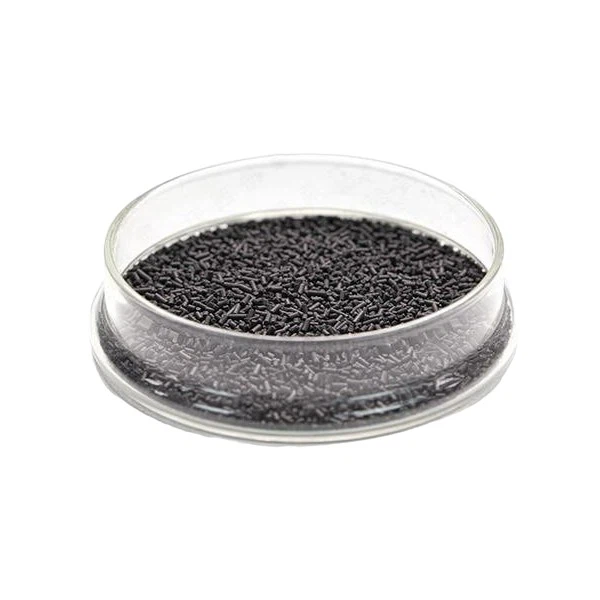
Before delving into maintenance tips, it's essential to have a basic understanding of what Carbon Molecular Sieve -JXF is and how it works. Carbon Molecular Sieve -JXF is a porous material with a unique structure that allows it to selectively adsorb certain gases based on their molecular size and shape. It is commonly used in pressure swing adsorption (PSA) processes to separate nitrogen from air, producing high-purity nitrogen gas for a wide range of industries, including food packaging, electronics, and chemical manufacturing.
There are different types of Carbon Molecular Sieve -JXF available, such as Carbon Molecular Sieve-JXSEP®HG-110, Carbon Molecular Sieve-JXSEP®HG-110ES, and JXSEP®LG-610 Carbon Molecular Sieve. Each type has its own specific characteristics and performance capabilities, so it's important to choose the right one for your application.
Factors Affecting the Performance of Carbon Molecular Sieve -JXF
Several factors can affect the performance and lifespan of Carbon Molecular Sieve -JXF. Understanding these factors is key to implementing effective maintenance strategies.
1. Feed Gas Quality
The quality of the feed gas is one of the most critical factors. Impurities in the feed gas, such as oil, water, dust, and other contaminants, can accumulate on the surface of the carbon molecular sieve, blocking the pores and reducing its adsorption capacity. Therefore, it's essential to ensure that the feed gas is properly pre - treated to remove these impurities.
2. Operating Conditions
The operating conditions, including pressure, temperature, and flow rate, also have a significant impact on the performance of Carbon Molecular Sieve -JXF. Operating outside the recommended range of these parameters can cause excessive wear and tear on the sieve, leading to a decrease in its performance and lifespan.
3. Regeneration Process
The regeneration process is crucial for restoring the adsorption capacity of the carbon molecular sieve. If the regeneration process is not carried out correctly, the sieve may not be fully regenerated, resulting in a gradual decline in its performance over time.
Maintenance Tips for Carbon Molecular Sieve -JXF
1. Pre - treatment of Feed Gas
- Oil and Water Removal: Install high - efficiency oil and water separators upstream of the PSA system. These separators can effectively remove liquid oil and water droplets from the feed gas. Additionally, activated carbon filters can be used to adsorb trace amounts of oil vapor.
- Dust Filtration: Use high - quality particulate filters to remove dust and other solid particles from the feed gas. The filters should be regularly inspected and replaced to ensure their effectiveness.
2. Monitoring Operating Conditions
- Pressure and Temperature Monitoring: Install pressure and temperature sensors in the PSA system to continuously monitor these parameters. Make sure that the operating pressure and temperature are within the recommended range specified by the manufacturer.
- Flow Rate Control: Maintain a stable flow rate of the feed gas. Sudden changes in flow rate can cause uneven distribution of the gas in the carbon molecular sieve bed, leading to inefficient adsorption and desorption processes.
3. Proper Regeneration
- Follow the Manufacturer's Guidelines: The regeneration process should be carried out according to the manufacturer's instructions. This usually involves depressurizing the sieve bed and purging it with a suitable gas to remove the adsorbed gases.
- Monitoring Regeneration Efficiency: Regularly monitor the regeneration efficiency by analyzing the purity of the product gas. If the purity starts to decline, it may indicate that the regeneration process is not working effectively, and adjustments may be needed.
4. Regular Inspection and Maintenance
- Visual Inspection: Periodically open the PSA vessel and visually inspect the carbon molecular sieve bed. Look for signs of damage, such as broken particles or uneven distribution of the sieve.
- Performance Testing: Conduct regular performance tests to evaluate the adsorption capacity and purity of the product gas. This can help detect any early signs of performance degradation.
Troubleshooting Common Issues
1. Decrease in Nitrogen Purity
- Possible Causes: The decrease in nitrogen purity may be due to feed gas contamination, improper regeneration, or damage to the carbon molecular sieve.
- Solutions: Check the pre - treatment system to ensure that the feed gas is clean. Review the regeneration process and make necessary adjustments. If the sieve is damaged, it may need to be replaced.
2. High Pressure Drop
- Possible Causes: A high pressure drop across the carbon molecular sieve bed can be caused by blockage of the pores due to contamination or compression of the sieve particles.
- Solutions: Inspect the pre - treatment system to identify and remove the source of contamination. If the sieve is compressed, it may be necessary to re - bed the sieve or replace it.
Conclusion
Proper maintenance of Carbon Molecular Sieve -JXF is essential for ensuring its long - term performance and reliability. By following the tips outlined in this blog, you can maximize the lifespan of your carbon molecular sieve and achieve consistent high - quality nitrogen production.
If you are interested in purchasing Carbon Molecular Sieve -JXF or have any questions about its maintenance, please feel free to contact us. We are committed to providing you with the best products and technical support to meet your industrial gas separation needs.
References
- Carbon Molecular Sieve Handbook, Industry Standard Edition
- Technical Documentation of Carbon Molecular Sieve -JXF from Manufacturer