

As a provider of Carbon Molecular Sieve - JXH, I've witnessed firsthand the critical role these sieves play in various industrial applications, particularly in gas separation processes. One of the most significant factors that can influence the performance of Carbon Molecular Sieve - JXH is the presence of hydrocarbons. In this blog, I'll delve into how hydrocarbons affect Carbon Molecular Sieve - JXH and what this means for industrial users.
Understanding Carbon Molecular Sieve - JXH
Carbon Molecular Sieve - JXH is a type of porous carbon material with a unique pore structure that allows it to selectively adsorb different gas molecules based on their size, shape, and polarity. It is widely used in pressure swing adsorption (PSA) systems for separating nitrogen from air, producing high - purity nitrogen for various industries such as electronics, food packaging, and chemical manufacturing.
The performance of Carbon Molecular Sieve - JXH is typically evaluated based on several key parameters, including nitrogen production rate, nitrogen purity, and adsorption capacity. These parameters are crucial for determining the efficiency and cost - effectiveness of the gas separation process.
Hydrocarbons: A Common Contaminant
Hydrocarbons are organic compounds consisting of hydrogen and carbon atoms. They are commonly found in industrial environments, either as by - products of chemical processes or as contaminants in feed gases. Hydrocarbons can range from simple compounds like methane to more complex molecules such as benzene and toluene.
When hydrocarbons are present in the feed gas that comes into contact with Carbon Molecular Sieve - JXH, they can have a variety of effects on the sieve's performance.

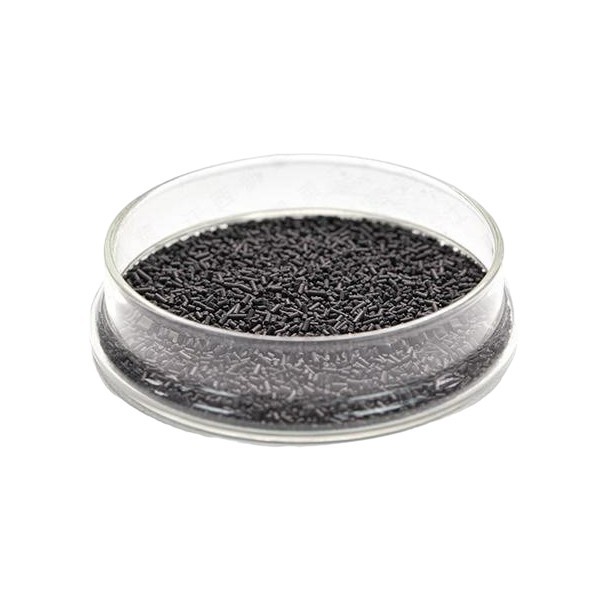
Adsorption of Hydrocarbons on Carbon Molecular Sieve - JXH
One of the primary ways hydrocarbons affect Carbon Molecular Sieve - JXH is through adsorption. Carbon Molecular Sieve - JXH has a large surface area and a high affinity for many hydrocarbon molecules. When hydrocarbons are present in the feed gas, they can be adsorbed onto the surface of the sieve.
This adsorption can have several consequences. Firstly, it can reduce the available surface area of the sieve for nitrogen adsorption. Since the separation of nitrogen from air in PSA systems relies on the selective adsorption of oxygen and other impurities, a reduction in the available surface area can lead to a decrease in nitrogen production rate and purity.
Secondly, the adsorption of hydrocarbons can cause pore blockage. Hydrocarbon molecules can be large enough to block the pores of the Carbon Molecular Sieve - JXH, preventing the diffusion of gas molecules into the sieve's interior. This can further reduce the adsorption capacity and efficiency of the sieve.
Chemical Reactions with Hydrocarbons
In addition to physical adsorption, hydrocarbons can also undergo chemical reactions with Carbon Molecular Sieve - JXH under certain conditions. For example, some hydrocarbons can react with the carbon surface of the sieve at high temperatures or in the presence of catalysts.
These chemical reactions can lead to the formation of carbonaceous deposits on the sieve's surface. These deposits can not only block the pores but also change the surface properties of the sieve, reducing its selectivity and adsorption capacity. Over time, these chemical reactions can cause irreversible damage to the Carbon Molecular Sieve - JXH, shortening its lifespan and increasing the cost of operation.
Impact on PSA System Performance
The presence of hydrocarbons in the feed gas can have a significant impact on the overall performance of the PSA system using Carbon Molecular Sieve - JXH. A decrease in nitrogen production rate means that the system may not be able to meet the production requirements of the industrial process. This can lead to production delays and increased costs.
A reduction in nitrogen purity can also be a major issue, especially in industries where high - purity nitrogen is required. For example, in the electronics industry, even a small amount of impurity in nitrogen can cause defects in semiconductor manufacturing.
Mitigating the Effects of Hydrocarbons
To minimize the impact of hydrocarbons on Carbon Molecular Sieve - JXH, several strategies can be employed. One of the most effective methods is to use pre - treatment systems to remove hydrocarbons from the feed gas before it enters the PSA system.
Pre - treatment systems can include activated carbon filters, which are designed to adsorb hydrocarbons selectively. These filters can significantly reduce the hydrocarbon content in the feed gas, protecting the Carbon Molecular Sieve - JXH from contamination.
Another approach is to optimize the operating conditions of the PSA system. For example, adjusting the temperature and pressure of the system can help to reduce the adsorption of hydrocarbons on the sieve. Additionally, regular regeneration of the Carbon Molecular Sieve - JXH can help to remove adsorbed hydrocarbons and restore the sieve's performance.
Our Product Range
As a Carbon Molecular Sieve - JXH supplier, we offer a wide range of products to meet the diverse needs of our customers. Our JXSEP HG - 90 Carbon Molecular Sieve is known for its high nitrogen production rate and excellent adsorption capacity. It is suitable for large - scale industrial applications where high - efficiency gas separation is required.
Our Carbon Molecular Sieve - JXSEP®LG - 560 is designed for applications that require high - purity nitrogen. It has a high selectivity for nitrogen over oxygen and other impurities, ensuring the production of nitrogen with a purity of up to 99.999%.
We also offer Carbon Molecular Sieve - 330, which is a cost - effective option for small - to - medium - sized industrial applications. It provides a good balance between nitrogen production rate and purity, making it a popular choice for many industries.
Contact Us for Procurement
If you are interested in our Carbon Molecular Sieve - JXH products or have any questions about how to deal with the impact of hydrocarbons on your PSA system, we encourage you to contact us. Our team of experts is ready to provide you with detailed product information, technical support, and customized solutions to meet your specific needs. Whether you are looking to upgrade your existing PSA system or install a new one, we can help you make the right choice.
References
- Ruthven, D. M., Farooq, S., & Knaebel, K. S. (1994). Pressure Swing Adsorption. John Wiley & Sons.
- Yang, R. T. (1987). Gas Separation by Adsorption Processes. Butterworth Publishers.
- Sircar, S., & Golden, T. C. (2000). Adsorbent materials for gas separation and purification. Industrial & Engineering Chemistry Research, 39(10), 3803 - 3819.