

As a supplier of Carbon Molecular Sieve -330, I've witnessed firsthand the significance of understanding how various factors can impact the performance of this product. One such factor that often goes under - the - radar is the presence of ozone in the feed gas. In this blog, I'll delve into the effects of ozone on Carbon Molecular Sieve -330 and why it matters for your operations.
Understanding Carbon Molecular Sieve -330
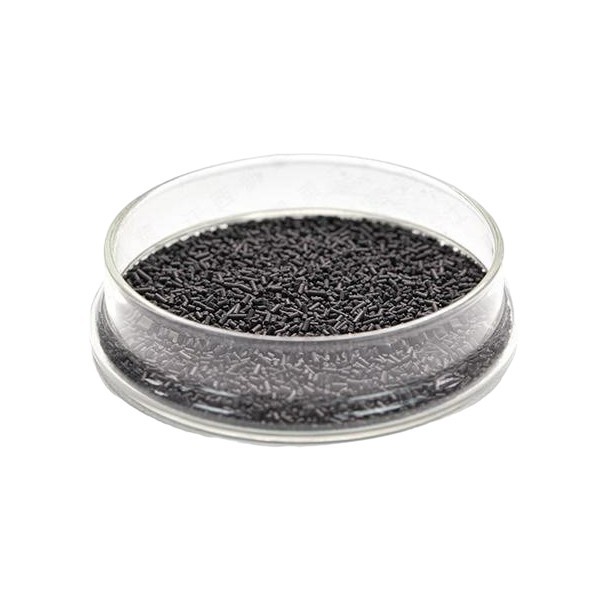
Before we explore the impact of ozone, let's briefly understand what Carbon Molecular Sieve -330 is. It is a highly porous material with a unique pore structure that allows it to selectively adsorb different gases based on their molecular size and kinetic properties. This makes it an ideal choice for applications such as nitrogen generation from air. The sieve can separate nitrogen from oxygen and other trace gases in the air, providing a cost - effective and reliable source of high - purity nitrogen for a wide range of industries, including food packaging, electronics manufacturing, and chemical processing.
The Role of Feed Gas in Carbon Molecular Sieve Operations
The feed gas is the input to the carbon molecular sieve system. In most cases, the feed gas is air, which contains a mixture of nitrogen, oxygen, argon, and trace amounts of other gases. The performance of the carbon molecular sieve depends largely on the quality and composition of the feed gas. Any contaminants or reactive components in the feed gas can potentially affect the sieve's ability to adsorb and separate gases effectively.

Ozone in the Feed Gas: A Hidden Threat
Ozone (O₃) is a highly reactive gas that is formed naturally in the atmosphere through the action of sunlight on oxygen molecules. It can also be generated artificially in industrial processes, such as corona discharge in electrical equipment or in water treatment facilities. When ozone is present in the feed gas of a Carbon Molecular Sieve -330 system, it can have several detrimental effects.
1. Chemical Reactions with the Sieve Surface
Ozone is a strong oxidizing agent. When it comes into contact with the surface of the Carbon Molecular Sieve -330, it can initiate chemical reactions that alter the surface properties of the sieve. These reactions can lead to the formation of new compounds on the sieve surface, which can block the pores and reduce the available surface area for gas adsorption. As a result, the sieve's capacity to adsorb nitrogen and other target gases decreases, leading to a lower nitrogen purity and flow rate in the output gas.
2. Accelerated Aging of the Sieve
The continuous exposure to ozone can accelerate the aging process of the Carbon Molecular Sieve -330. The oxidative reactions caused by ozone can break down the carbon structure of the sieve over time, making it more brittle and less effective at gas separation. This can lead to a shorter lifespan of the sieve, requiring more frequent replacements and increasing the overall operating costs of the nitrogen generation system.
3. Impact on Gas Selectivity
One of the key properties of Carbon Molecular Sieve -330 is its ability to selectively adsorb oxygen over nitrogen based on the difference in their molecular sizes and diffusion rates. However, the presence of ozone can disrupt this selectivity. The chemical changes on the sieve surface caused by ozone can affect the adsorption kinetics of oxygen and nitrogen, making it more difficult for the sieve to distinguish between the two gases. This can result in a lower nitrogen - to - oxygen separation efficiency and a decrease in the quality of the generated nitrogen.
Mitigating the Effects of Ozone in the Feed Gas
To minimize the impact of ozone on Carbon Molecular Sieve -330, several strategies can be employed:
1. Ozone Removal Filters
Installing ozone removal filters in the feed gas line can effectively remove ozone before it reaches the carbon molecular sieve. These filters typically contain activated carbon or other ozone - adsorbing materials that can trap ozone molecules and prevent them from entering the sieve system.
2. Monitoring and Control
Regularly monitoring the ozone concentration in the feed gas is crucial. This can be done using ozone sensors installed in the feed gas line. If the ozone concentration exceeds a certain threshold, appropriate measures can be taken, such as adjusting the operating conditions of the ozone - generating equipment or increasing the frequency of filter replacement.
3. Using High - Quality Sieves
Investing in high - quality carbon molecular sieves, such as the JXSEP HG - 90 Carbon Molecular Sieve, Carbon Molecular Sieve - JXSEP®LG - 560, or Carbon Molecular Sieve - JXSEP®HG - 110ES, can provide better resistance to the effects of ozone. These sieves are often engineered with advanced manufacturing techniques and surface treatments that enhance their chemical stability and durability.
Conclusion
The presence of ozone in the feed gas can have a significant impact on the performance and lifespan of Carbon Molecular Sieve -330. As a supplier, I understand the importance of providing our customers with the knowledge and solutions to address this issue. By taking proactive measures to remove ozone from the feed gas and using high - quality sieves, you can ensure the efficient and reliable operation of your nitrogen generation system.
If you are facing challenges related to ozone in your feed gas or are interested in learning more about our Carbon Molecular Sieve -330 products, I encourage you to reach out. Our team of experts is ready to assist you in finding the best solutions for your specific needs. Whether you need advice on feed gas pretreatment or are looking to upgrade your existing carbon molecular sieve system, we are here to help. Contact us today to start a discussion about your requirements and explore how our products can benefit your operations.
References
- Yang, R. T. (1987). Gas Separation by Adsorption Processes. Butterworth Publishers.
- Ruthven, D. M., Farooq, S., & Knaebel, K. S. (1994). Adsorption by Design: Structure - Selective Adsorbents. John Wiley & Sons.
- Basmadjian, D. (2004). Ozone: Science and Engineering. CRC Press.