

Hey there! As a supplier of Carbon Molecular Sieve - JXH, I've been getting a lot of questions about how the pressure ratio in pressure swing adsorption (PSA) affects our product. So, I thought I'd dive into this topic and share some insights with you all.
First off, let's quickly go over what pressure swing adsorption is. PSA is a technology used to separate gases based on their molecular characteristics and affinity for an adsorbent material. In our case, that adsorbent is Carbon Molecular Sieve - JXH. The process works by alternating between high and low pressures. At high pressure, the target gas molecules are adsorbed onto the surface of the carbon molecular sieve, while at low pressure, the adsorbed molecules are desorbed, allowing the sieve to be regenerated for the next cycle.
Now, let's talk about how the pressure ratio in PSA impacts our Carbon Molecular Sieve - JXH. The pressure ratio is simply the ratio of the high pressure to the low pressure in the PSA cycle. This ratio plays a crucial role in determining the performance and efficiency of the adsorption process.
Adsorption Capacity
One of the key factors affected by the pressure ratio is the adsorption capacity of the Carbon Molecular Sieve - JXH. Generally, a higher pressure ratio leads to a greater adsorption capacity. When the pressure is increased during the adsorption phase, more gas molecules are forced onto the surface of the sieve, increasing the amount of gas that can be adsorbed. This is because the higher pressure provides a greater driving force for the gas molecules to overcome the resistance and adhere to the sieve's pores.
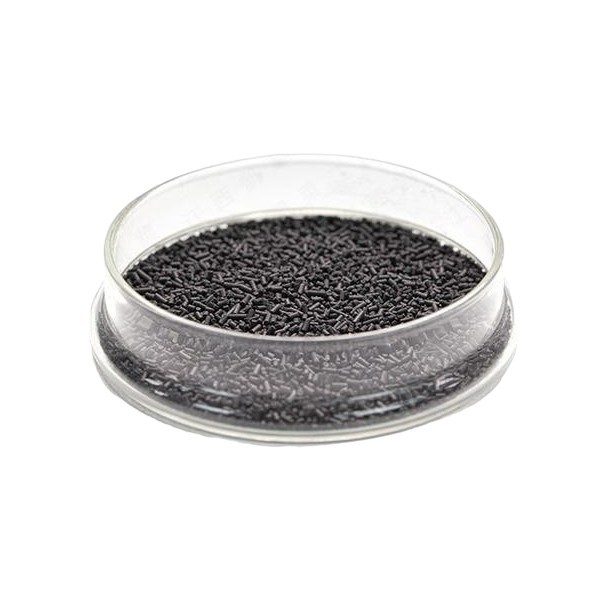
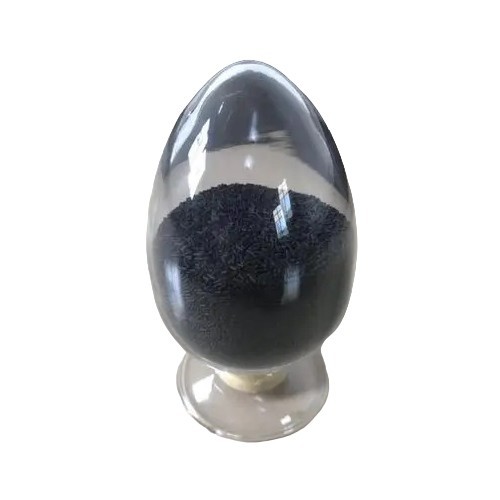
For example, if we're using our Carbon Molecular Sieve - JXSEP®HG - 110ES to separate nitrogen from air, a higher pressure ratio will allow more nitrogen molecules to be adsorbed onto the sieve. This means that we can achieve a higher purity of nitrogen in the product gas stream.
Separation Efficiency
The pressure ratio also has a significant impact on the separation efficiency of the PSA process. A well - optimized pressure ratio can improve the selectivity of the Carbon Molecular Sieve - JXH towards the target gas. Different gas molecules have different adsorption characteristics, and by adjusting the pressure ratio, we can enhance the preferential adsorption of the desired gas.
Let's say we're separating oxygen and nitrogen using Carbon Molecular Sieve - JXSEP®LG - 560. Oxygen molecules are smaller and more polar than nitrogen molecules. By carefully choosing the pressure ratio, we can ensure that the sieve adsorbs more oxygen than nitrogen, resulting in a higher purity of nitrogen in the product. A too - low pressure ratio may not provide enough driving force for effective separation, while a too - high pressure ratio can lead to non - selective adsorption and reduced separation efficiency.
Cycle Time
Another aspect influenced by the pressure ratio is the cycle time of the PSA process. A higher pressure ratio typically allows for a shorter cycle time. When the pressure difference between the adsorption and desorption phases is large, the adsorption and desorption processes occur more rapidly. This means that the Carbon Molecular Sieve - JXH can be regenerated faster, and the PSA system can operate more frequently.
For instance, with Carbon Molecular Sieve - JXSEP®HG - 110, a higher pressure ratio can reduce the time required for each adsorption - desorption cycle. This can increase the overall productivity of the PSA system, as more cycles can be completed in a given period.
Sieve Degradation
However, it's important to note that an extremely high pressure ratio can also have some negative effects on the Carbon Molecular Sieve - JXH. High pressures can cause mechanical stress on the sieve particles, leading to particle breakage and attrition. Over time, this can reduce the surface area available for adsorption and decrease the performance of the sieve.
Moreover, high - pressure operation may also increase the risk of contaminants being adsorbed onto the sieve, which can further degrade its performance. So, finding the right balance in the pressure ratio is crucial to ensure the long - term stability and performance of our Carbon Molecular Sieve - JXH.
Finding the Optimal Pressure Ratio
Determining the optimal pressure ratio for a specific application of Carbon Molecular Sieve - JXH depends on several factors. These include the type of gas mixture being separated, the desired purity of the product gas, the flow rate of the feed gas, and the operating conditions of the PSA system.
In general, we recommend conducting some preliminary tests and simulations to find the best pressure ratio for your particular setup. Our technical team is always available to assist you in this process. We can analyze your requirements and provide you with customized solutions to ensure that you get the most out of our Carbon Molecular Sieve - JXH.
Conclusion
In conclusion, the pressure ratio in pressure swing adsorption has a profound impact on the performance of our Carbon Molecular Sieve - JXH. It affects the adsorption capacity, separation efficiency, cycle time, and even the long - term stability of the sieve. By carefully choosing and optimizing the pressure ratio, you can achieve better results in your gas separation processes.
If you're interested in learning more about our Carbon Molecular Sieve - JXH products or need help with optimizing your PSA system, don't hesitate to reach out. We're here to support you in finding the best solutions for your gas separation needs. Whether you're in the chemical industry, the food and beverage industry, or any other sector that requires gas separation, our products can offer you reliable and efficient performance.
So, if you're looking to improve your gas separation processes and want to take advantage of the benefits of our high - quality Carbon Molecular Sieve - JXH, let's start a conversation. We're eager to work with you and help you achieve your goals.
References
- Yang, R. T. (1987). Gas Separation by Adsorption Processes. Butterworth Publishers.
- Ruthven, D. M., Farooq, S., & Knaebel, K. S. (1994). Pressure Swing Adsorption. VCH Publishers.