

Carbon molecular sieves (CMS) have emerged as a critical material in various industrial applications, particularly in gas separation processes. One of the key products in our portfolio as a CMS - JXH supplier is the Carbon Molecular Sieve - JXSEP® series, which includes products like Carbon Molecular Sieve-JXSEP®HG - 110, Carbon Molecular Sieve-JXSEP®HG - 110ES, and JXSEP HG - 90 Carbon Molecular Sieve. In this blog, we will explore how the surface area of Carbon Molecular Sieve - JXH affects its adsorption capacity.
Understanding Carbon Molecular Sieve - JXH
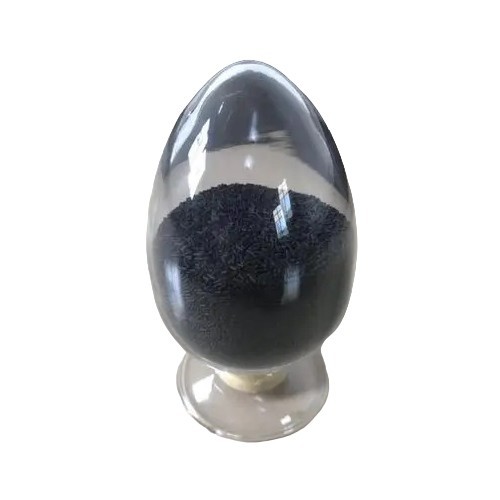
Carbon Molecular Sieve - JXH is a highly porous material with a unique pore structure. It is typically made from carbonaceous materials through a series of processes such as carbonization and activation. The resulting material has a narrow pore size distribution, which is crucial for its selective adsorption properties.
The main application of Carbon Molecular Sieve - JXH is in the separation of gases, such as nitrogen from air. The selective adsorption of different gas molecules is based on their molecular size and kinetic properties. Smaller gas molecules can diffuse more easily into the pores of the CMS, while larger molecules are excluded. This property makes Carbon Molecular Sieve - JXH an ideal material for gas separation processes.
Surface Area and Its Measurement
The surface area of a Carbon Molecular Sieve - JXH is a fundamental property that significantly influences its adsorption capacity. The surface area refers to the total area of the internal and external surfaces of the material. A larger surface area provides more sites for gas molecules to adsorb, potentially leading to a higher adsorption capacity.
There are several methods to measure the surface area of Carbon Molecular Sieve - JXH. The most commonly used method is the Brunauer - Emmett - Teller (BET) method. This method is based on the adsorption of a gas (usually nitrogen) at low temperatures. By measuring the amount of gas adsorbed at different relative pressures, the BET surface area can be calculated.

Another method is the Langmuir method, which assumes that the adsorption occurs on a homogeneous surface and forms a monolayer of gas molecules. The Langmuir surface area can provide additional information about the adsorption behavior of the material.
Relationship between Surface Area and Adsorption Capacity
Theoretical Aspect
From a theoretical perspective, the adsorption capacity of a Carbon Molecular Sieve - JXH is directly proportional to its surface area. According to the adsorption theory, gas molecules adsorb on the surface of the material through physical or chemical interactions. A larger surface area means more available adsorption sites, which can accommodate more gas molecules.
For example, in the case of nitrogen adsorption from air, the nitrogen molecules will adsorb on the surface of the Carbon Molecular Sieve - JXH. If the surface area is large, more nitrogen molecules can be adsorbed, resulting in a higher nitrogen purity in the separated gas.
Experimental Evidence
Numerous experimental studies have confirmed the positive relationship between the surface area and adsorption capacity of Carbon Molecular Sieve - JXH. In one study, different samples of Carbon Molecular Sieve - JXH with varying surface areas were prepared and tested for their nitrogen adsorption capacity. The results showed that the samples with higher surface areas had significantly higher nitrogen adsorption capacities.
However, it is important to note that the relationship between surface area and adsorption capacity is not always linear. Other factors, such as pore size distribution, surface chemistry, and the nature of the adsorbate gas, can also affect the adsorption capacity.
Influence of Pore Size Distribution on the Relationship
The pore size distribution of Carbon Molecular Sieve - JXH plays a crucial role in determining the actual adsorption capacity, even when considering the surface area. A material with a large surface area but an inappropriate pore size distribution may not have a high adsorption capacity.
For gas separation applications, the pore size of Carbon Molecular Sieve - JXH should be carefully controlled. If the pores are too large, the selectivity of the material will be reduced, as larger gas molecules can also enter the pores. On the other hand, if the pores are too small, the diffusion of gas molecules into the pores will be restricted, leading to a lower adsorption rate and capacity.
Therefore, a balance needs to be struck between the surface area and the pore size distribution. A Carbon Molecular Sieve - JXH with a large surface area and a well - controlled pore size distribution will have the best adsorption performance.
Surface Chemistry and Its Impact
The surface chemistry of Carbon Molecular Sieve - JXH also affects its adsorption capacity in combination with the surface area. The surface of the material can have various functional groups, such as oxygen - containing groups (e.g., hydroxyl, carbonyl, and carboxyl groups). These functional groups can interact with gas molecules through chemical bonds, enhancing the adsorption capacity.
For example, if the surface of the Carbon Molecular Sieve - JXH has a high concentration of oxygen - containing groups, it can have a stronger interaction with polar gas molecules, such as water vapor. This can be beneficial in applications where the removal of water vapor is required.
However, the surface chemistry can also have a negative impact if it leads to the blockage of pores. For instance, if the functional groups are too large or too densely packed, they may prevent gas molecules from entering the pores, reducing the effective surface area and adsorption capacity.
Practical Considerations in Industrial Applications
In industrial applications, the surface area and adsorption capacity of Carbon Molecular Sieve - JXH need to be carefully considered. When selecting a Carbon Molecular Sieve - JXH for a specific gas separation process, the following factors should be taken into account:
- Gas Composition: Different gas mixtures require different pore size distributions and surface chemistries. For example, if the gas mixture contains a large amount of impurities, a Carbon Molecular Sieve - JXH with a large surface area and a wide pore size distribution may be needed to ensure the removal of these impurities.
- Operating Conditions: The operating temperature, pressure, and flow rate can also affect the adsorption capacity. Higher temperatures generally reduce the adsorption capacity, while higher pressures can increase it. Therefore, the surface area and pore structure of the Carbon Molecular Sieve - JXH should be optimized for the specific operating conditions.
- Cost - Effectiveness: While a Carbon Molecular Sieve - JXH with a large surface area may have a higher adsorption capacity, it may also be more expensive to produce. Therefore, a balance needs to be struck between the adsorption performance and the cost.
Conclusion
In conclusion, the surface area of Carbon Molecular Sieve - JXH is a crucial factor that affects its adsorption capacity. A larger surface area generally leads to a higher adsorption capacity, but this relationship is also influenced by other factors such as pore size distribution and surface chemistry.
As a Carbon Molecular Sieve - JXH supplier, we understand the importance of these properties and strive to produce high - quality products with optimal surface area and pore structure. Our Carbon Molecular Sieve-JXSEP®HG - 110, Carbon Molecular Sieve-JXSEP®HG - 110ES, and JXSEP HG - 90 Carbon Molecular Sieve are designed to meet the diverse needs of our customers in gas separation applications.
If you are interested in our Carbon Molecular Sieve - JXH products or have any questions about their adsorption performance, please feel free to contact us for further discussion and potential procurement. We are committed to providing you with the best solutions for your gas separation needs.
References
- Brunauer, S., Emmett, P. H., & Teller, E. (1938). Adsorption of gases in multimolecular layers. Journal of the American Chemical Society, 60(2), 309 - 319.
- Langmuir, I. (1918). The adsorption of gases on plane surfaces of glass, mica and platinum. Journal of the American Chemical Society, 40(9), 1361 - 1403.
- Yang, R. T. (1987). Gas Separation by Adsorption Processes. Butterworth Publishers.