

As a supplier of Carbon Molecular Sieve -JXF, I am often asked about the stability of our product in long - term operation. In this blog, I will delve into the factors that contribute to the stability of Carbon Molecular Sieve -JXF and explain why it is a reliable choice for various applications.
Understanding Carbon Molecular Sieve -JXF
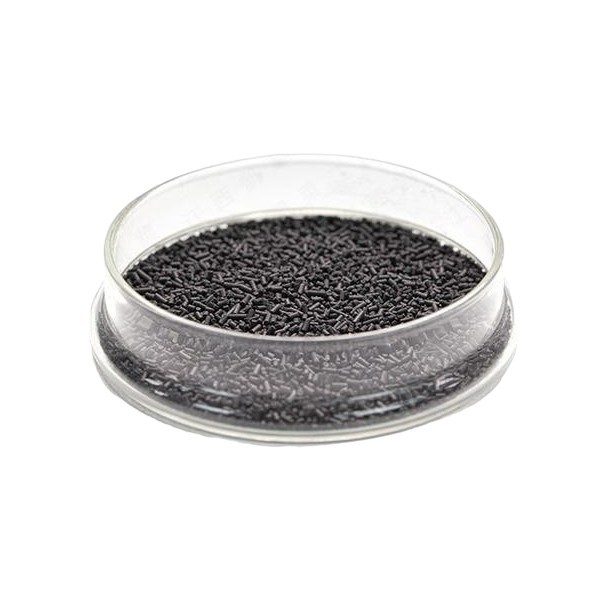
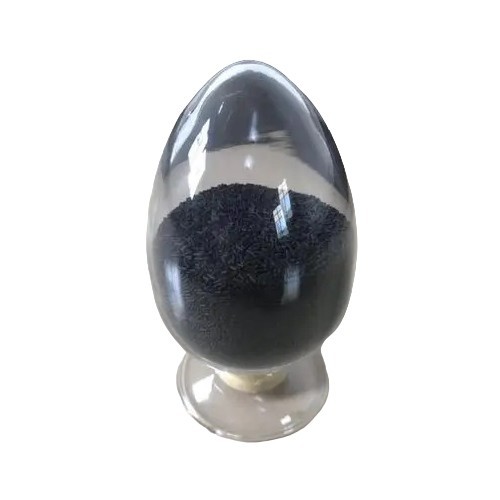
Carbon Molecular Sieve -JXF is a porous material with a unique structure that allows it to selectively adsorb different gases based on their molecular size and shape. It is widely used in pressure swing adsorption (PSA) processes for nitrogen generation, as well as in other gas separation applications. Our Carbon Molecular Sieve -JXF products, such as Carbon Molecular Sieve - JXSEP®LG - 560, Carbon Molecular Sieve - JXSEP®HG - 110ES, and Carbon Molecular Sieve - JXSEP®HG - 110, are engineered to provide high performance and stability over long periods of operation.
Factors Affecting the Stability of Carbon Molecular Sieve -JXF
1. Physical Structure
The physical structure of Carbon Molecular Sieve -JXF plays a crucial role in its stability. Our manufacturing process ensures that the sieve has a uniform pore size distribution and a high surface area. This uniformity allows for consistent gas adsorption and desorption, which is essential for stable operation. The high surface area provides more active sites for gas molecules to interact with, increasing the adsorption capacity and efficiency of the sieve.
Over time, the physical structure of the carbon molecular sieve can be affected by factors such as mechanical stress, temperature changes, and the presence of contaminants. However, our Carbon Molecular Sieve -JXF is designed to withstand these challenges. It has a high mechanical strength, which reduces the risk of breakage and attrition during operation. Additionally, our sieve is resistant to thermal degradation, allowing it to maintain its performance even at elevated temperatures.
2. Chemical Composition
The chemical composition of Carbon Molecular Sieve -JXF is carefully formulated to ensure stability. It is primarily composed of carbon, which is a relatively inert element. This inertness makes the sieve resistant to chemical reactions with most gases and contaminants. However, trace amounts of other elements may be present in the sieve to enhance its adsorption properties.
One of the key factors in maintaining the chemical stability of the sieve is the prevention of oxidation. Oxidation can occur when the sieve is exposed to oxygen at high temperatures, which can lead to a decrease in its adsorption capacity. To prevent oxidation, our Carbon Molecular Sieve -JXF is treated with special coatings and additives that act as a barrier against oxygen. This treatment ensures that the sieve remains stable and maintains its performance over long periods of operation.
3. Operating Conditions
The stability of Carbon Molecular Sieve -JXF is also influenced by the operating conditions. Factors such as pressure, temperature, gas flow rate, and the presence of contaminants can all affect the performance of the sieve.
- Pressure: The pressure in a PSA system is cyclically changed to achieve gas separation. Our Carbon Molecular Sieve -JXF is designed to withstand the pressure changes associated with PSA operation. It has a high crush strength, which allows it to maintain its physical integrity under high pressure.
- Temperature: Temperature can have a significant impact on the adsorption and desorption processes. Our sieve is optimized to operate within a specific temperature range. Outside of this range, the adsorption capacity may decrease, and the stability of the sieve may be compromised. However, our Carbon Molecular Sieve -JXF has a wide operating temperature range, which makes it suitable for a variety of applications.
- Gas Flow Rate: The gas flow rate affects the contact time between the gas molecules and the sieve. A high flow rate may reduce the contact time, leading to incomplete adsorption. Our sieve is designed to handle a wide range of gas flow rates, ensuring efficient gas separation even at high flow rates.
- Contaminants: The presence of contaminants such as water, oil, and dust can reduce the performance of the sieve. Our Carbon Molecular Sieve -JXF is resistant to many common contaminants. However, it is recommended to use pre - filters to remove large particles and contaminants before the gas enters the PSA system. This helps to extend the lifespan of the sieve and maintain its stability.
Long - Term Performance of Carbon Molecular Sieve -JXF
To demonstrate the long - term stability of our Carbon Molecular Sieve -JXF, we have conducted extensive testing under real - world conditions. Our tests have shown that the sieve can maintain its performance over thousands of adsorption and desorption cycles.
In a typical nitrogen generation application, the sieve is expected to operate continuously for several years without significant degradation. The adsorption capacity and selectivity of the sieve remain relatively constant over time, ensuring a consistent supply of high - purity nitrogen.
We also offer technical support and maintenance services to our customers to ensure the long - term stability of our Carbon Molecular Sieve -JXF. Our team of experts can provide advice on operating conditions, troubleshooting, and replacement schedules. By following our recommended maintenance procedures, customers can maximize the lifespan of the sieve and minimize the risk of performance degradation.
Advantages of Using Carbon Molecular Sieve -JXF in Long - Term Operation
- Cost - Effectiveness: Due to its long lifespan and stable performance, Carbon Molecular Sieve -JXF offers a cost - effective solution for gas separation applications. Customers can reduce the frequency of sieve replacement, which lowers the overall operating costs.
- Reliability: The stability of our sieve ensures a reliable supply of high - purity gas. This is particularly important in industries where a consistent gas supply is critical, such as the electronics, food and beverage, and pharmaceutical industries.
- Versatility: Our Carbon Molecular Sieve -JXF can be used in a variety of gas separation applications, including nitrogen generation, oxygen enrichment, and hydrogen purification. Its wide operating temperature and pressure range make it suitable for different operating conditions.
Contact for Purchase and Discussion
If you are interested in our Carbon Molecular Sieve -JXF products and would like to discuss your specific requirements, we encourage you to reach out to us. Our team of experts is ready to provide you with detailed information, technical support, and pricing. We are committed to helping you find the best solution for your gas separation needs.
References
- Ruthven, D. M., Farooq, S., & Knaebel, K. S. (1994). Pressure Swing Adsorption. John Wiley & Sons.
- Yang, R. T. (1987). Gas Separation by Adsorption Processes. Butterworths.
- Sircar, S., & Golden, T. C. (2005). Recent advances in pressure swing adsorption technology. Adsorption, 11(1 - 2), 101 - 109.