

In the realm of gas separation and oxygen production, Carbon Molecular Sieve - JXH has emerged as a pivotal material. As a dedicated supplier of Carbon Molecular Sieve - JXH, I am thrilled to delve into the effectiveness of this remarkable product in oxygen production.
Understanding the Basics of Carbon Molecular Sieve - JXH
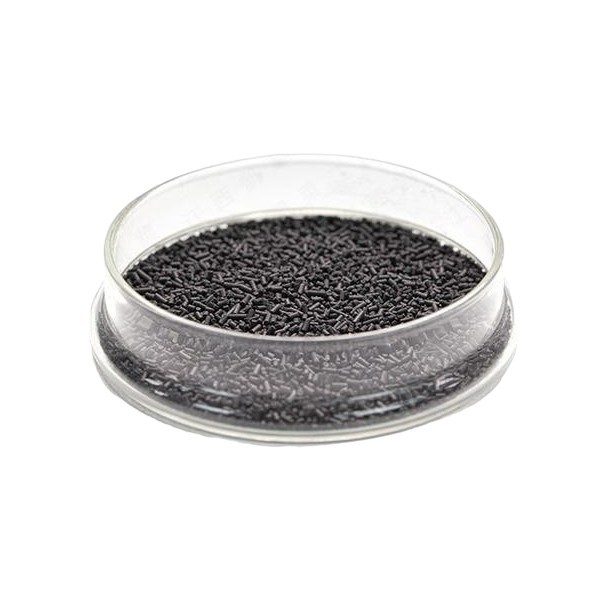
Carbon Molecular Sieve - JXH is a highly porous material engineered to selectively adsorb different gases based on their molecular size and diffusion rate. It consists of a network of micropores and mesopores that play a crucial role in the separation process. The unique pore structure of JXH allows it to distinguish between nitrogen and oxygen molecules, which is the fundamental principle behind its use in oxygen production.
The adsorption process of Carbon Molecular Sieve - JXH is based on the fact that nitrogen molecules are slightly larger than oxygen molecules. When a gas mixture containing nitrogen and oxygen passes through the sieve, the nitrogen molecules are preferentially adsorbed onto the surface of the pores, while the oxygen molecules pass through relatively unhindered. This results in the production of a stream of oxygen - enriched gas.
Factors Affecting the Effectiveness of Carbon Molecular Sieve - JXH in Oxygen Production
Pore Structure
The pore structure of Carbon Molecular Sieve - JXH is one of the most critical factors influencing its effectiveness. The size, distribution, and connectivity of the pores determine the selectivity and adsorption capacity of the sieve. A well - designed pore structure ensures that nitrogen molecules are efficiently adsorbed while minimizing the adsorption of oxygen. For example, a sieve with a narrow pore size distribution centered around the size of nitrogen molecules will have better selectivity for nitrogen over oxygen.
Adsorption Kinetics
The rate at which nitrogen is adsorbed onto the Carbon Molecular Sieve - JXH is another important factor. Faster adsorption kinetics allow for a more rapid separation of nitrogen from oxygen, resulting in higher oxygen production rates. The adsorption kinetics are influenced by factors such as the temperature, pressure, and the nature of the gas mixture. Generally, lower temperatures and higher pressures favor faster adsorption, but these conditions need to be optimized to balance energy consumption and separation efficiency.
Regeneration Efficiency
After the adsorption process, the Carbon Molecular Sieve - JXH needs to be regenerated to remove the adsorbed nitrogen and restore its adsorption capacity. The regeneration efficiency is crucial for the continuous and efficient operation of the oxygen production system. There are several methods for regenerating the sieve, including pressure swing adsorption (PSA) and vacuum swing adsorption (VSA). PSA involves reducing the pressure to desorb the nitrogen, while VSA uses a vacuum to achieve the same result. The choice of regeneration method depends on various factors such as the scale of the oxygen production, energy availability, and cost.
Performance Evaluation of Carbon Molecular Sieve - JXH in Oxygen Production
Oxygen Purity
One of the key performance indicators of Carbon Molecular Sieve - JXH in oxygen production is the purity of the produced oxygen. High - purity oxygen is required for many applications, such as medical use, metal cutting, and chemical synthesis. The ability of the sieve to selectively adsorb nitrogen and produce oxygen with a high purity level is a testament to its effectiveness. Our Carbon Molecular Sieve - JXH products, such as Carbon Molecular Sieve - JXSEP®HG - 110ES, are designed to achieve high oxygen purities, often reaching up to 95% or even higher under optimal operating conditions.
Oxygen Yield
The oxygen yield, which is the amount of oxygen produced per unit of feed gas, is another important performance metric. A high oxygen yield indicates that the Carbon Molecular Sieve - JXH is efficiently separating nitrogen from the feed gas and maximizing the production of oxygen. Our Carbon Molecular Sieve - JXSEP®LG - 560 is known for its excellent oxygen yield, making it a cost - effective choice for large - scale oxygen production.
Long - term Stability
The long - term stability of Carbon Molecular Sieve - JXH is crucial for the reliability of the oxygen production system. Over time, the sieve may be exposed to various contaminants, such as moisture, dust, and hydrocarbons, which can affect its performance. Our JXSEP HG - 90 Carbon Molecular Sieve is engineered to have high resistance to these contaminants, ensuring stable performance over an extended period. This reduces the need for frequent replacement of the sieve and lowers the overall operating cost of the oxygen production system.
Applications of Oxygen Produced Using Carbon Molecular Sieve - JXH
Medical Applications
In the medical field, high - purity oxygen is essential for treating patients with respiratory problems. Oxygen produced using Carbon Molecular Sieve - JXH can meet the strict purity requirements for medical use. It is used in hospitals, clinics, and home care settings to provide life - saving oxygen therapy to patients.
Industrial Applications
In industries such as metal cutting, welding, and chemical synthesis, oxygen is used as an oxidizing agent. The high - purity oxygen produced by Carbon Molecular Sieve - JXH enhances the efficiency and quality of these industrial processes. For example, in metal cutting, the use of high - purity oxygen results in cleaner cuts and faster cutting speeds.
Environmental Applications
Oxygen is also used in environmental applications, such as wastewater treatment and aquaculture. In wastewater treatment, oxygen is added to the water to promote the growth of aerobic bacteria, which help break down organic pollutants. In aquaculture, oxygen is essential for the survival and growth of fish and other aquatic organisms.

Conclusion and Call to Action
In conclusion, Carbon Molecular Sieve - JXH is a highly effective material for oxygen production. Its unique pore structure, adsorption kinetics, and regeneration efficiency enable it to produce high - purity oxygen with a high yield and long - term stability. Whether for medical, industrial, or environmental applications, our Carbon Molecular Sieve - JXH products offer a reliable and cost - effective solution.
If you are interested in learning more about our Carbon Molecular Sieve - JXH products or would like to discuss your oxygen production requirements, we invite you to contact us for a detailed consultation. Our team of experts is ready to assist you in finding the best solution for your specific needs.
References
- Ruthven, D. M., Farooq, S., & Knaebel, K. S. (1994). Pressure Swing Adsorption. John Wiley & Sons.
- Yang, R. T. (1987). Gas Separation by Adsorption Processes. Butterworths.
- Sircar, S. (1999). Adsorption and Ion Exchange. Kirk - Othmer Encyclopedia of Chemical Technology.