

Hey there! As a supplier of Carbon Molecular Sieve - JXH, I often get asked about the difference between Carbon Molecular Sieve - JXH and activated carbon. So, I thought I'd write this blog to clear up any confusion and give you a better understanding of these two materials.
Basics of Carbon Molecular Sieve - JXH and Activated Carbon
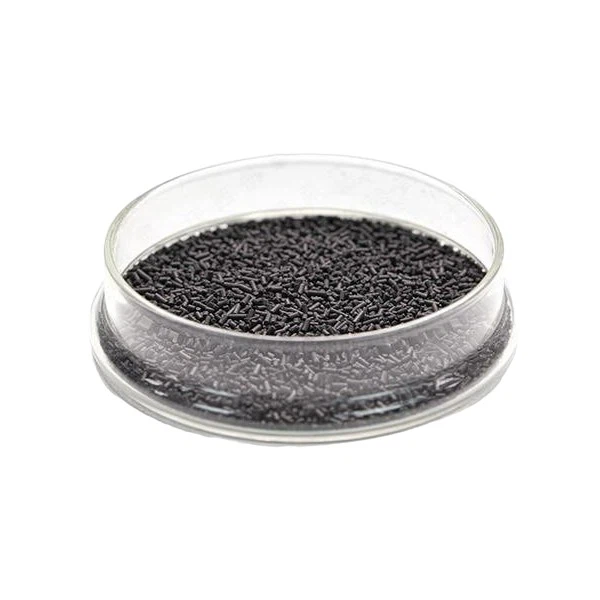
Let's start with the basics. Carbon Molecular Sieve - JXH is a type of carbon material with a very specific pore structure. It's designed to separate different gases based on their molecular size and diffusion rate. On the other hand, activated carbon is a highly porous carbon material with a large surface area. It's mainly used for adsorption of various substances, like gases, liquids, and even some dissolved solids.
Physical Structure
One of the key differences lies in their physical structure. Carbon Molecular Sieve - JXH has a narrow and uniform pore size distribution. This means that it can selectively allow certain molecules to enter its pores while blocking others. For example, in a nitrogen generation system, it can separate nitrogen from oxygen because nitrogen molecules are smaller and can diffuse through the pores more easily than oxygen molecules.
Activated carbon, however, has a much wider range of pore sizes. It has micropores, mesopores, and macropores. The large surface area provided by these pores makes it excellent for adsorbing a wide variety of substances. But because of the wide pore size distribution, it's not as effective as Carbon Molecular Sieve - JXH in gas separation applications where precise molecular sieving is required.
Adsorption Mechanism
The adsorption mechanism of these two materials is also different. Carbon Molecular Sieve - JXH works mainly through kinetic adsorption. It separates gases based on the difference in the diffusion rates of different molecules. The smaller and faster - diffusing molecules can reach the adsorption sites inside the pores more quickly than the larger ones.
Activated carbon, on the other hand, relies on both physical and chemical adsorption. Physical adsorption occurs due to the weak van der Waals forces between the adsorbate and the carbon surface. Chemical adsorption involves the formation of chemical bonds between the adsorbate and the carbon surface. This makes activated carbon suitable for removing a wide range of contaminants, including organic compounds, heavy metals, and odors.
Applications
Carbon Molecular Sieve - JXH
Carbon Molecular Sieve - JXH is widely used in gas separation processes. One of the most common applications is in nitrogen generation plants. By using Carbon Molecular Sieve - JXH in a pressure swing adsorption (PSA) system, high - purity nitrogen can be produced from air. It's also used in hydrogen purification, where it can separate hydrogen from other gases like carbon monoxide, carbon dioxide, and methane.
Some of our popular products in this category are Carbon Molecular Sieve -330 and Carbon Molecular Sieve-JXSEP®LG - 560. These products have been well - received in the market for their high performance and reliability.
Activated Carbon
Activated carbon has a much broader range of applications. In the water treatment industry, it's used to remove organic contaminants, chlorine, and bad tastes and odors from water. In the air purification field, it can adsorb volatile organic compounds (VOCs), odors, and some harmful gases. It's also used in the food and beverage industry for decolorization and purification processes.
Performance and Efficiency
When it comes to performance and efficiency, Carbon Molecular Sieve - JXH is highly efficient in gas separation. It can achieve high purity levels of the desired gas in a relatively short time. For example, in a nitrogen generation system, it can produce nitrogen with a purity of up to 99.999%.

Activated carbon's performance depends on the type of adsorbate and the operating conditions. Its adsorption capacity can be affected by factors such as temperature, pressure, and the concentration of the adsorbate. In some cases, it may require frequent replacement or regeneration to maintain its adsorption efficiency.
Cost Considerations
The cost of Carbon Molecular Sieve - JXH and activated carbon can vary depending on several factors. Generally, Carbon Molecular Sieve - JXH is more expensive than activated carbon. This is because of its more complex manufacturing process and the specific requirements for its pore structure. However, in gas separation applications, the high efficiency of Carbon Molecular Sieve - JXH can offset the higher initial cost in the long run.
Activated carbon is relatively cheaper, especially the lower - grade products. But if you need high - quality activated carbon with specific properties, the cost can also be significant.
Our JXSEP®LG - 610 Carbon Molecular Sieve
We are proud to offer JXSEP®LG - 610 Carbon Molecular Sieve. This product has excellent performance in gas separation. It has a high nitrogen production rate and can maintain stable performance over a long period. It's also very durable and can withstand harsh operating conditions.
Conclusion
In conclusion, Carbon Molecular Sieve - JXH and activated carbon are two different types of carbon materials with distinct properties, applications, and performance characteristics. If you need precise gas separation, Carbon Molecular Sieve - JXH is the way to go. But if you're looking for a general - purpose adsorbent for water or air purification, activated carbon is a good choice.
If you're interested in our Carbon Molecular Sieve - JXH products or have any questions about gas separation applications, feel free to reach out to us for procurement and further discussion. We're always here to help you find the best solution for your needs.
References
- "Carbon Materials for Advanced Technologies" by M. S. Dresselhaus, G. Dresselhaus, and A. Jorio.
- "Adsorption Engineering" by R. T. Yang.
- Industry reports on gas separation and adsorption technologies.