

When it comes to efficiently separating gases, carbon molecular sieves (CMS) are indispensable materials. As a supplier of Carbon Molecular Sieve - JXH, I understand that choosing the right CMS for your specific application can be a daunting task. In this blog post, I'll guide you through the key factors to consider when selecting the appropriate Carbon Molecular Sieve - JXH for your needs.
Understanding Carbon Molecular Sieves - JXH
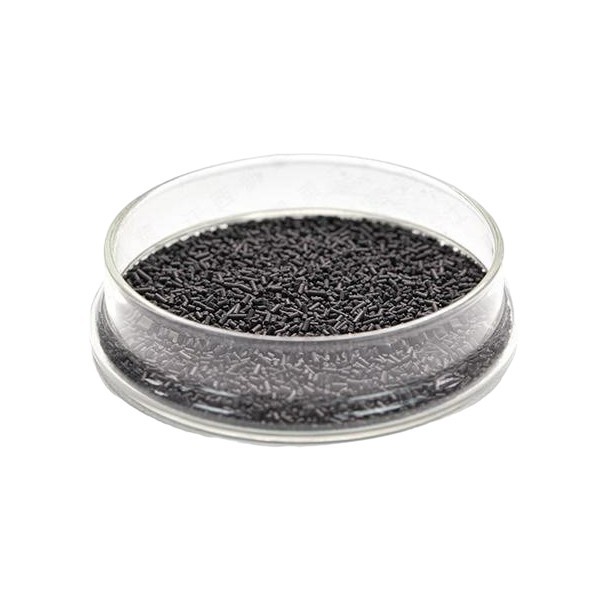
Carbon Molecular Sieves - JXH are a type of porous carbon material with a unique pore structure that allows them to selectively adsorb different gases based on their molecular size and shape. They are widely used in gas separation processes, such as nitrogen generation from air, hydrogen purification, and methane enrichment. The performance of a CMS - JXH is determined by several factors, including its pore size distribution, adsorption capacity, and selectivity.
Factors to Consider When Choosing a Carbon Molecular Sieve - JXH
1. Gas Separation Application
The first step in choosing the right CMS - JXH is to clearly define your gas separation application. Different applications require different types of CMS with specific properties. For example, if you are generating nitrogen from air, you need a CMS that has a high selectivity for oxygen over nitrogen. On the other hand, if you are purifying hydrogen, you need a CMS that can effectively adsorb impurities such as carbon monoxide and carbon dioxide.
- Nitrogen Generation: For nitrogen generation from air, JXSEP®LG - 610 Carbon Molecular Sieve is an excellent choice. It has a narrow pore size distribution that allows it to selectively adsorb oxygen molecules while allowing nitrogen molecules to pass through. This results in high - purity nitrogen production with a purity of up to 99.999%.
- Hydrogen Purification: JXSEP HG - 90 Carbon Molecular Sieve is well - suited for hydrogen purification applications. It has a high adsorption capacity for impurities such as carbon monoxide, carbon dioxide, and methane, which helps to produce high - purity hydrogen.
2. Pore Size Distribution
The pore size distribution of a CMS - JXH is a critical factor that affects its gas separation performance. The pore size should be carefully selected to match the size of the target gas molecules. A CMS with a narrow pore size distribution will have better selectivity, as it can more precisely distinguish between different gas molecules based on their size.
- Micropores and Mesopores: Most CMS - JXH materials have a combination of micropores (less than 2 nm in diameter) and mesopores (2 - 50 nm in diameter). Micropores are mainly responsible for the selective adsorption of gas molecules, while mesopores provide pathways for gas diffusion. Carbon Molecular Sieve - JXSEP®LG - 560 has an optimized pore size distribution that balances selective adsorption and gas diffusion, resulting in efficient gas separation.
3. Adsorption Capacity
The adsorption capacity of a CMS - JXH refers to the amount of gas that it can adsorb per unit mass of the sieve. A higher adsorption capacity means that the CMS can adsorb more gas in a given volume, which is beneficial for reducing the size of the gas separation equipment and improving the overall efficiency of the process.
- Operating Conditions: The adsorption capacity of a CMS - JXH is also affected by operating conditions such as temperature and pressure. Generally, lower temperatures and higher pressures favor gas adsorption. When choosing a CMS, you need to consider the operating conditions of your gas separation process to ensure that the sieve has sufficient adsorption capacity under those conditions.
4. Selectivity
Selectivity is the ability of a CMS - JXH to preferentially adsorb one gas over another. It is a crucial factor in gas separation applications, as it determines the purity of the separated gas. A high - selectivity CMS can produce a high - purity product with less impurity.
- Selectivity Ratio: The selectivity of a CMS is often expressed as a selectivity ratio, which is the ratio of the adsorption capacity of the target gas to the adsorption capacity of the non - target gas. For example, in nitrogen generation from air, the selectivity ratio of oxygen to nitrogen is an important parameter. A higher selectivity ratio means better separation performance.
5. Mechanical Strength
In industrial applications, the CMS - JXH needs to withstand mechanical stresses during handling, loading, and operation. A CMS with high mechanical strength is less likely to break or attrite, which helps to maintain the stability of the gas separation process and reduce the frequency of sieve replacement.
- Attrition Resistance: Attrition resistance is an important aspect of mechanical strength. A CMS with good attrition resistance can resist the abrasion caused by gas flow and particle - to - particle contact, ensuring a long service life.
6. Regenerability
Regenerability is the ability of a CMS - JXH to release the adsorbed gas and return to its original state for reuse. In most gas separation processes, the CMS needs to be regenerated periodically to maintain its adsorption performance.
- Regeneration Methods: Common regeneration methods include pressure swing adsorption (PSA) and temperature swing adsorption (TSA). PSA is more energy - efficient and is widely used in industrial applications. When choosing a CMS, you need to ensure that it can be easily regenerated using the appropriate method for your process.
Comparing Different Carbon Molecular Sieves - JXH
To help you make a more informed decision, here is a comparison of some of our popular Carbon Molecular Sieves - JXH:
| Product Name | Application | Pore Size Distribution | Adsorption Capacity | Selectivity | Mechanical Strength | Regenerability |
|---|---|---|---|---|---|---|
| JXSEP®LG - 610 | Nitrogen generation from air | Narrow | High | High (O₂ over N₂) | High | Good (PSA) |
| JXSEP HG - 90 | Hydrogen purification | Optimized | High | High (impurities over H₂) | High | Good (PSA) |
| JXSEP®LG - 560 | Various gas separation applications | Balanced | High | High | High | Good (PSA) |
Conclusion
Choosing the right Carbon Molecular Sieve - JXH for your application requires a comprehensive understanding of your gas separation needs and the properties of different CMS products. By considering factors such as gas separation application, pore size distribution, adsorption capacity, selectivity, mechanical strength, and regenerability, you can select the most suitable CMS for your process.

If you are still unsure which Carbon Molecular Sieve - JXH is right for you, or if you have any questions about our products, please feel free to contact us for more information. Our team of experts is ready to assist you in finding the optimal solution for your gas separation requirements. We look forward to the opportunity to discuss your specific needs and help you make the best choice for your application.
References
- Ruthven, D. M., Farooq, S., & Knaebel, K. S. (1994). Pressure Swing Adsorption. Wiley.
- Yang, R. T. (1987). Gas Separation by Adsorption Processes. Butterworth.