

As a supplier of Carbon Molecular Sieve - 330, I understand the importance of proper disposal of used carbon molecular sieves. Carbon Molecular Sieve - 330 is widely used in various industries, especially in pressure swing adsorption (PSA) processes for nitrogen generation. However, once its adsorption capacity is exhausted or it can no longer meet the process requirements, appropriate disposal methods must be adopted to ensure environmental protection and resource utilization.
1. Understanding the Characteristics of Used Carbon Molecular Sieve - 330
Before discussing disposal methods, it's crucial to understand the characteristics of used Carbon Molecular Sieve - 330. During its service life, the sieve adsorbs various impurities and gases from the feedstock. These adsorbed substances can vary depending on the application, such as moisture, oxygen, carbon dioxide, and trace hydrocarbons.
The physical and chemical properties of the used sieve may also change. For example, its pore structure may be partially blocked by the adsorbed substances, reducing its adsorption capacity. Additionally, in some cases, the sieve may have been exposed to high - temperature or corrosive environments during operation, which could lead to changes in its chemical composition and mechanical strength.
2. Environmental Impact of Improper Disposal
Improper disposal of used Carbon Molecular Sieve - 330 can have several negative environmental impacts. If it is simply landfilled, the adsorbed pollutants may leach into the soil and groundwater over time, causing soil and water pollution. The release of these pollutants can harm local ecosystems, affect the quality of drinking water sources, and pose risks to human health.

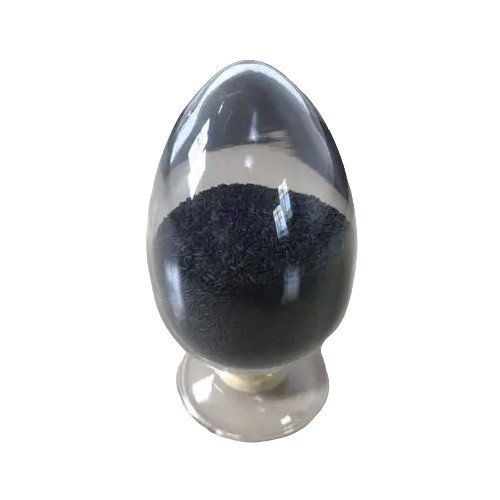
Moreover, carbon molecular sieves are often made from non - renewable resources. Discarding them without considering reuse or recycling means wasting valuable materials and energy that were consumed during their production.
3. Proper Disposal Methods
3.1 Recycling and Regeneration
One of the most environmentally friendly and cost - effective ways to dispose of used Carbon Molecular Sieve - 330 is through recycling and regeneration. Regeneration involves removing the adsorbed substances from the sieve to restore its adsorption capacity.
Thermal Regeneration: This is a common method. The used sieve is heated to a certain temperature (usually between 200 - 400°C) in an inert gas atmosphere. The high temperature causes the adsorbed substances to desorb from the sieve pores. The desorbed gases can be further treated to remove pollutants before being released into the atmosphere. After thermal regeneration, the sieve can be reused in the PSA process, extending its service life and reducing the need for new sieve production.
Vacuum Regeneration: In this method, a vacuum is applied to the used sieve. The reduced pressure causes the adsorbed substances to desorb from the sieve pores. Vacuum regeneration is often used in combination with thermal regeneration for better results. It is a relatively energy - efficient method, especially for sieves that have adsorbed substances with relatively low boiling points.
Some companies specialize in the regeneration of carbon molecular sieves. They have advanced equipment and technologies to ensure the effective regeneration of used sieves. As a Carbon Molecular Sieve - 330 supplier, we can recommend reliable regeneration service providers to our customers.
3.2 Reuse in Other Applications
If the used Carbon Molecular Sieve - 330 cannot be fully regenerated for its original application, it may still have potential for reuse in other fields.
Filtration in Wastewater Treatment: The sieve can be used as a filter medium in wastewater treatment plants. Its porous structure can adsorb suspended solids, heavy metals, and some organic pollutants in the wastewater. This can help improve the quality of the treated water and reduce the load on subsequent treatment processes.
Soil Amendment: In some cases, the used sieve can be ground into fine particles and used as a soil amendment. The porous structure of the sieve can improve soil aeration and water - holding capacity, which is beneficial for plant growth. However, before using it in this way, it is necessary to ensure that the sieve does not contain harmful substances that could contaminate the soil.
3.3 Safe Landfilling
If recycling and reuse are not feasible, safe landfilling can be considered as a last resort. However, strict environmental protection measures must be taken.
The used sieve should be properly packaged to prevent the leakage of adsorbed pollutants. Landfills should be designed and operated in accordance with environmental regulations, with liners to prevent the leaching of pollutants into the soil and groundwater. Additionally, regular monitoring of the landfill site should be carried out to ensure that there is no environmental pollution.
4. Our Company's Role in Promoting Proper Disposal
As a Carbon Molecular Sieve - 330 supplier, we are committed to promoting the proper disposal of used sieves. We provide our customers with detailed information on the characteristics and disposal methods of Carbon Molecular Sieve - 330. We also cooperate with professional regeneration and recycling companies to offer customers comprehensive solutions for sieve disposal.
In addition, we continuously improve the quality and performance of our products to extend their service life and reduce the frequency of replacement. We also encourage customers to consider using our other high - performance carbon molecular sieves, such as JXSEP HG - 90 Carbon Molecular Sieve, Carbon Molecular Sieve - JXSEP®HG - 110ES, and Carbon Molecular Sieve - JXSEP®HG - 110, which have excellent adsorption properties and long service lives.
5. Contact for Purchase and Consultation
If you are interested in our Carbon Molecular Sieve - 330 or other related products, or if you have any questions about the proper disposal of used carbon molecular sieves, please feel free to contact us. We are always ready to provide you with professional advice and high - quality products.
References
- "Carbon Molecular Sieves: Preparation, Characterization, and Applications" - A comprehensive book on carbon molecular sieves, covering their production, properties, and uses.
- Environmental Protection Agency (EPA) guidelines on the disposal of industrial waste, which provide general principles and requirements for the proper disposal of carbon molecular sieves.
- Research papers on the regeneration and reuse of carbon molecular sieves published in international scientific journals, such as "Journal of Chemical Technology and Biotechnology" and "Separation and Purification Technology".