

Hey there! As a supplier of Carbon Molecular Sieve - JXH, I've been getting a lot of questions lately about how to boost its adsorption performance for specific gases. So, I thought I'd put together this blog to share some tips and insights.
Understanding Carbon Molecular Sieve - JXH
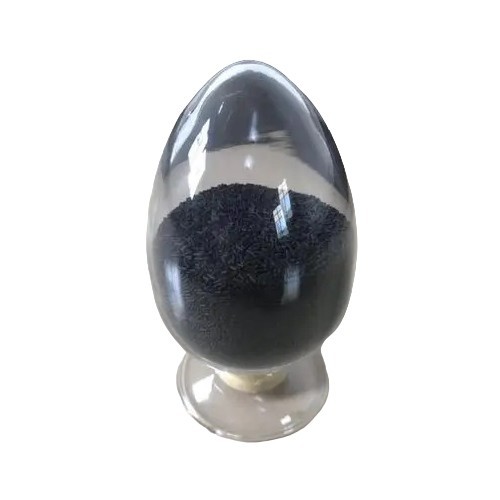
First things first, let's talk a bit about what Carbon Molecular Sieve - JXH is. It's a type of porous carbon material with a unique pore structure that allows it to selectively adsorb certain gases. This makes it super useful in a variety of applications, like gas separation and purification.
We offer different models of Carbon Molecular Sieve, such as Carbon Molecular Sieve-JXSEP®HG-110, Carbon Molecular Sieve-JXSEP®HG-110ES, and JXSEP HG-90 Carbon Molecular Sieve. Each of these models has its own characteristics and is suitable for different gas adsorption needs.
Factors Affecting Adsorption Performance
There are several factors that can influence how well Carbon Molecular Sieve - JXH adsorbs specific gases. Let's take a look at some of the most important ones.
Pore Structure
The pore size and distribution of the carbon molecular sieve play a crucial role in its adsorption performance. Different gases have different molecular sizes, so the pores need to be the right size to trap the target gas molecules. For example, if you're trying to adsorb small gas molecules like hydrogen or helium, you'll need a sieve with smaller pores. On the other hand, larger gas molecules like propane or butane require larger pores.
We can control the pore structure during the manufacturing process. By adjusting the raw materials and processing conditions, we can produce carbon molecular sieves with different pore sizes and distributions to meet the specific requirements of our customers.
Surface Area
The surface area of the carbon molecular sieve is another important factor. A larger surface area means more sites for gas molecules to adsorb onto. We can increase the surface area of the sieve through various methods, such as activation. Activation involves treating the carbon material with chemicals or heat to create more pores and increase the surface area.
Temperature
Temperature has a significant impact on the adsorption process. In general, adsorption is an exothermic process, which means it releases heat. As the temperature increases, the adsorption capacity of the carbon molecular sieve usually decreases. This is because the gas molecules have more energy at higher temperatures and are less likely to be trapped by the sieve.
So, if you want to enhance the adsorption performance, it's often a good idea to operate at lower temperatures. However, you also need to consider the practicality of cooling the system, as it can add to the cost and complexity.
Pressure
Pressure also affects the adsorption process. Higher pressure generally leads to higher adsorption capacity, as it forces more gas molecules into the pores of the carbon molecular sieve. However, there is a limit to how much pressure you can apply, as it can also cause damage to the sieve or the equipment.
Tips for Enhancing Adsorption Performance
Now that we've discussed the factors that affect adsorption performance, let's look at some practical tips for enhancing it.
Choose the Right Model
As I mentioned earlier, we offer different models of carbon molecular sieves. Make sure to choose the one that is most suitable for the specific gas you want to adsorb. Consider the molecular size of the gas, the operating conditions (temperature and pressure), and the desired adsorption capacity.

Optimize the Operating Conditions
Based on the factors we discussed above, try to optimize the operating conditions to maximize the adsorption performance. For example, if possible, operate at lower temperatures and higher pressures. You can also adjust the flow rate of the gas to ensure that the gas has enough contact time with the carbon molecular sieve.
Regenerate the Sieve
Over time, the carbon molecular sieve will become saturated with adsorbed gas molecules and its adsorption capacity will decrease. To restore its performance, you can regenerate the sieve. There are several methods for regeneration, such as heating, depressurization, or purging with a different gas.
Heating is one of the most common methods. By heating the sieve to a certain temperature, the adsorbed gas molecules will be released, and the sieve will be ready for another adsorption cycle. Depressurization involves reducing the pressure to allow the gas molecules to desorb. Purging with a different gas can also help to remove the adsorbed gas molecules.
Maintain the Sieve
Proper maintenance of the carbon molecular sieve is essential for its long-term performance. Make sure to keep the sieve clean and free from contaminants. Avoid exposing the sieve to harsh chemicals or high temperatures that can damage its structure.
Conclusion
Enhancing the adsorption performance of Carbon Molecular Sieve - JXH for specific gases requires a good understanding of the factors that affect adsorption and the use of appropriate techniques. By choosing the right model, optimizing the operating conditions, regenerating the sieve, and maintaining it properly, you can achieve better adsorption results and improve the efficiency of your gas separation or purification process.
If you're interested in our Carbon Molecular Sieve - JXH products or have any questions about enhancing their adsorption performance, feel free to reach out to us. We're always happy to help you find the best solution for your needs.
References
- [1] Some relevant research on carbon molecular sieves in gas adsorption.
- [2] Industry standards and guidelines for gas separation using carbon molecular sieves.