

Hey there! I'm a supplier of Carbon Molecular Sieve - JXH. Today, I wanna talk about how to evaluate the performance of Carbon Molecular Sieve - JXH over time.
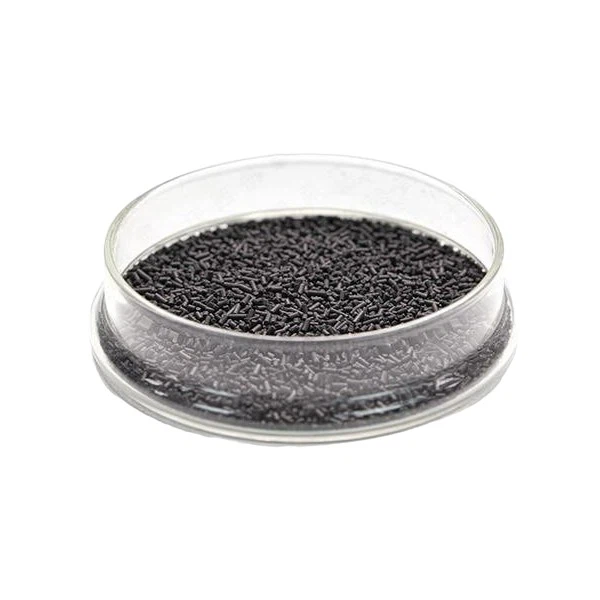
First off, let's understand what Carbon Molecular Sieve - JXH is. It's a key material used in pressure swing adsorption (PSA) processes for separating nitrogen from air. It has a unique pore structure that allows it to selectively adsorb oxygen molecules while letting nitrogen pass through. This makes it super useful in industries like food packaging, electronics, and metal heat treatment.
Now, when it comes to evaluating its performance over time, there are a few important factors to consider.
Adsorption Capacity
One of the main things we look at is the adsorption capacity. This is basically how much oxygen the sieve can adsorb. As time goes on, the adsorption capacity can decrease. There are a few reasons for this. For example, contaminants in the feed air can clog the pores of the sieve. If the air has a lot of dust, oil, or moisture, these substances can stick to the surface of the sieve and reduce its ability to adsorb oxygen.
To measure the adsorption capacity, we usually conduct periodic tests. We can use a small - scale PSA unit to simulate the actual operating conditions. We measure the amount of oxygen in the feed air and the amount of oxygen in the product nitrogen. By comparing these two values, we can calculate the adsorption capacity of the sieve at different time points.
Let's say we start with a brand - new Carbon Molecular Sieve - JXH. In the beginning, it might have an adsorption capacity of around 90% (meaning it can remove 90% of the oxygen from the air). But after a few months of continuous operation, if we notice that the adsorption capacity has dropped to 80%, it's a sign that the performance is starting to decline.

Nitrogen Purity
Another crucial factor is the nitrogen purity. In most applications, we need a high - purity nitrogen stream. The sieve's ability to produce high - purity nitrogen is a sign of its good performance. Over time, if the nitrogen purity starts to decrease, it could be due to a variety of factors.
One common issue is the wear and tear of the sieve. As the sieve is constantly exposed to pressure changes during the PSA process, its structure can gradually break down. Small particles of the sieve might break off, and this can affect the separation efficiency. Also, as mentioned before, contaminants can reduce the selectivity of the sieve, leading to lower nitrogen purity.
We can monitor the nitrogen purity using gas analyzers. These analyzers are installed at the outlet of the PSA unit. If the nitrogen purity drops below the required level for the specific application, it's time to take a closer look at the sieve. For instance, in the electronics industry, they often require nitrogen with a purity of 99.999%. If our Carbon Molecular Sieve - JXH can't maintain this purity level after a certain period, we need to figure out what's going wrong.
Pressure Drop
Pressure drop is also an important parameter. A proper pressure drop is necessary for the efficient operation of the PSA system. As the sieve ages, the pressure drop across the bed can increase. This is often caused by the accumulation of contaminants or the compaction of the sieve particles.
An increased pressure drop means that more energy is required to push the air through the sieve bed. This can lead to higher operating costs. We can measure the pressure drop using pressure sensors installed at the inlet and outlet of the sieve bed. If the pressure drop exceeds the normal range, we might need to clean or replace the sieve.
Regeneration Efficiency
The regeneration process is an essential part of the PSA system. After the sieve adsorbs oxygen, it needs to be regenerated to remove the adsorbed oxygen and get ready for the next adsorption cycle. Over time, the regeneration efficiency can decrease.
There are a few reasons for this. One is that the sieve's surface properties can change. If the sieve has been exposed to high - temperature or high - pressure conditions during operation, its surface energy can be altered, making it more difficult to desorb the oxygen. Another reason could be the presence of strongly adsorbed contaminants that are hard to remove during regeneration.
To evaluate the regeneration efficiency, we can measure the amount of oxygen remaining in the sieve after regeneration. If the amount of residual oxygen is higher than normal, it indicates that the regeneration efficiency is low.
Now, let's talk about some of our related products. We also offer Carbon Molecular Sieve -330, which has different properties and is suitable for different applications. It has a relatively high adsorption capacity and can be used in some large - scale nitrogen production plants.
Our JXSEP®LG - 610 Carbon Molecular Sieve is another great option. It's designed to have a long service life and high nitrogen purity. It's very popular in the food packaging industry because it can ensure the quality and freshness of the products.
And then there's the Carbon Molecular Sieve - JXSEP®HG - 110. This sieve is known for its high - pressure resistance and good regeneration performance. It's often used in applications where the PSA system operates under high - pressure conditions.
In conclusion, evaluating the performance of Carbon Molecular Sieve - JXH over time is crucial for ensuring the efficient and reliable operation of the PSA system. By monitoring factors like adsorption capacity, nitrogen purity, pressure drop, and regeneration efficiency, we can detect any issues early and take appropriate measures.
If you're in the market for high - quality carbon molecular sieves or have any questions about evaluating their performance, don't hesitate to reach out. We're here to help you make the best choice for your specific application and ensure that your nitrogen production process runs smoothly.
References
- Ruthven, D. M., Farooq, S., & Knaebel, K. S. (1994). Pressure Swing Adsorption. Wiley - Interscience.
- Yang, R. T. (1987). Gas Separation by Adsorption Processes. Butterworths.