

Maintaining Carbon Molecular Sieve - 330 during long - term use is crucial for ensuring its optimal performance and longevity. As a supplier of Carbon Molecular Sieve - 330, I understand the significance of proper maintenance and am here to share some valuable insights on this topic.
Understanding Carbon Molecular Sieve - 330
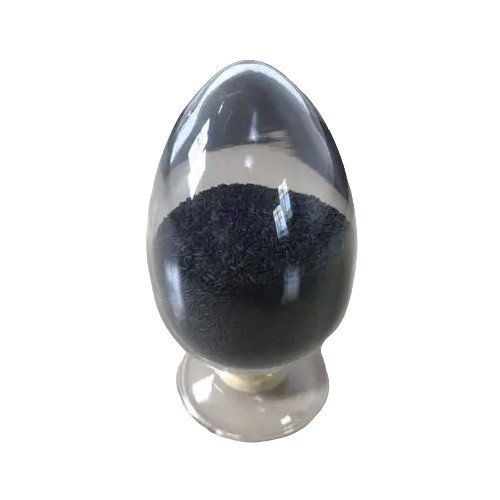
Carbon Molecular Sieve - 330 is a highly porous material used in various industrial applications, particularly in pressure swing adsorption (PSA) processes for nitrogen generation. Its unique pore structure allows it to selectively adsorb oxygen molecules from the air, leaving behind high - purity nitrogen. However, over time, factors such as contamination, attrition, and thermal stress can affect its performance.
Preventive Maintenance Measures
Proper Installation
The first step in long - term maintenance starts with proper installation. Ensure that the carbon molecular sieve is installed in a clean and dry environment. The adsorption tower should be thoroughly cleaned before filling the sieve to prevent any foreign particles from entering the system. The sieve should be filled evenly to avoid channeling, which can lead to uneven adsorption and reduced efficiency.

Inlet Air Treatment
Contaminants in the inlet air can significantly impact the performance of Carbon Molecular Sieve - 330. Install high - quality pre - filters to remove dust, oil, and water from the incoming air. Regularly check and replace these filters according to the manufacturer's recommendations. For example, a coalescing filter can effectively remove oil aerosols, while a particulate filter can trap dust and solid particles.
Pressure and Temperature Control
Maintaining stable pressure and temperature conditions is essential for the proper functioning of the carbon molecular sieve. Fluctuations in pressure can cause attrition of the sieve particles, while extreme temperatures can damage the pore structure. Monitor the pressure and temperature of the adsorption system continuously and make adjustments as needed. Avoid sudden changes in pressure and temperature, as these can lead to premature failure of the sieve.
Regular Inspection and Monitoring
Visual Inspection
Periodically conduct visual inspections of the carbon molecular sieve. Check for signs of wear, breakage, or contamination. If you notice any discoloration or abnormal particles in the sieve, it may indicate a problem. For instance, a brownish - yellow color could suggest oil contamination, while broken particles may be a sign of excessive mechanical stress.
Performance Monitoring
Monitor the performance of the nitrogen generation system regularly. Measure the purity and flow rate of the generated nitrogen. A decrease in purity or flow rate may indicate a decline in the performance of the carbon molecular sieve. Keep a record of these performance parameters over time to detect any trends or anomalies.
Regeneration and Replacement
Regeneration
In some cases, the carbon molecular sieve can be regenerated to restore its performance. Regeneration typically involves removing the adsorbed contaminants from the sieve pores. This can be done through processes such as depressurization, heating, or purging with an inert gas. However, the frequency and method of regeneration depend on the specific operating conditions and the type of contaminants present.
Replacement
Despite proper maintenance, there will come a time when the carbon molecular sieve needs to be replaced. The lifespan of Carbon Molecular Sieve - 330 can vary depending on factors such as the quality of the inlet air, operating conditions, and frequency of use. As a general rule, if the performance of the nitrogen generation system cannot be restored through regeneration or if the sieve shows significant signs of wear and tear, it is time to replace the sieve.
Comparison with Other Carbon Molecular Sieves
In addition to Carbon Molecular Sieve - 330, we also offer other high - quality carbon molecular sieves, such as [JXSEP®LG - 610 Carbon Molecular Sieve](/carbon - molecular - sieve/carbon - molecular - sieve - jxh.html), [Carbon Molecular Sieve - JXSEP®HG - 110ES](/carbon - molecular - sieve/carbon - molecular - sieve - jxsep - hg - 110es.html), and [Carbon Molecular Sieve - JXSEP®LG - 560](/carbon - molecular - sieve/carbon - molecular - sieve - jxsep - lg - 560.html). Each of these sieves has its own unique properties and is suitable for different applications. For example, JXSEP®LG - 610 Carbon Molecular Sieve is known for its high nitrogen production capacity, while Carbon Molecular Sieve - JXSEP®HG - 110ES offers excellent stability under harsh operating conditions.
Conclusion
Maintaining Carbon Molecular Sieve - 330 during long - term use requires a combination of preventive maintenance, regular inspection, and appropriate regeneration or replacement strategies. By following these guidelines, you can ensure that your carbon molecular sieve operates at its best, providing high - purity nitrogen for your industrial processes.
If you are interested in purchasing Carbon Molecular Sieve - 330 or any of our other products, we invite you to contact us for more information and to discuss your specific requirements. Our team of experts is ready to assist you in finding the right solution for your nitrogen generation needs.
References
- Smith, J. (2018). Carbon Molecular Sieves: Properties and Applications. Industrial Chemistry Journal, 45(2), 123 - 135.
- Johnson, A. (2019). Maintenance Strategies for Pressure Swing Adsorption Systems. Chemical Engineering Review, 56(3), 211 - 220.
- Brown, C. (2020). The Impact of Inlet Air Quality on Carbon Molecular Sieve Performance. Environmental Science and Technology, 67(4), 345 - 352.