

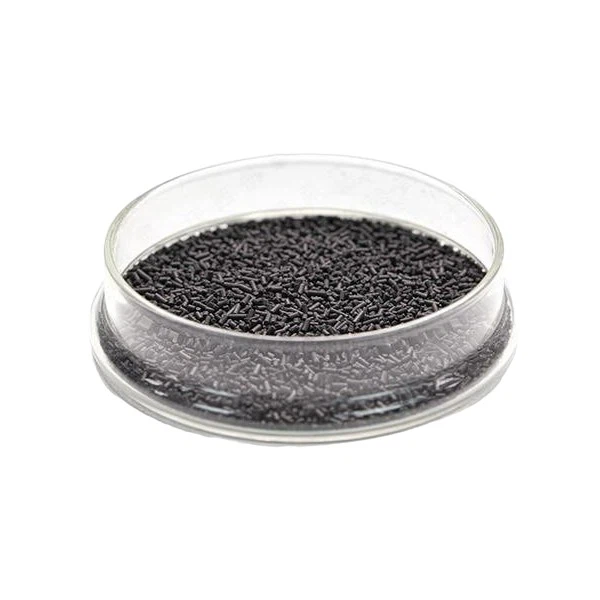
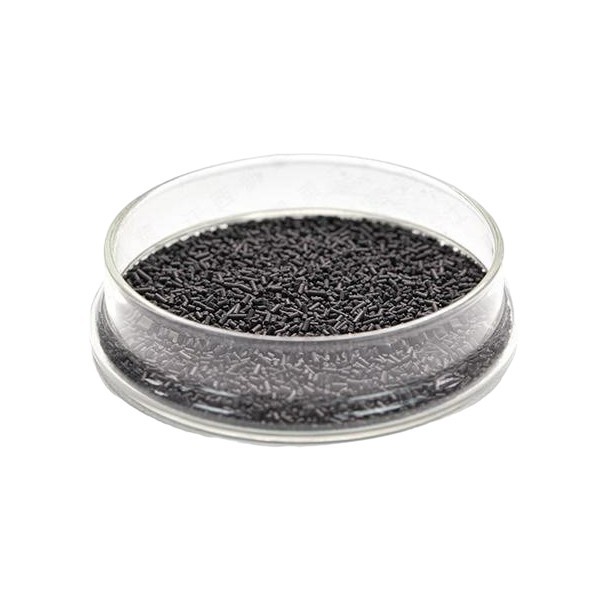
Carbon Molecular Sieve - 330 (CMS - 330) is a crucial adsorbent widely used in the pressure swing adsorption (PSA) process for nitrogen generation. As a supplier of CMS - 330, I have encountered various issues that customers face during its usage. In this blog, I will discuss the common problems when using CMS - 330 and propose corresponding solutions.
Common Problems and Solutions
1. Reduced Nitrogen Purity
- Problem Description: One of the most common issues is the decrease in nitrogen purity over time. When the nitrogen purity drops below the required level, it can affect the performance of downstream processes that rely on high - purity nitrogen.
- Possible Causes:
- Channeling: Channeling occurs when gas flows through preferential paths in the CMS bed rather than evenly distributing through the entire adsorbent. This can be caused by improper packing of the CMS during installation or vibration of the PSA unit over time.
- Contamination: CMS - 330 can be contaminated by oil, water, or dust in the feed gas. Oil can coat the surface of the CMS, reducing its adsorption capacity, while water can cause the CMS to swell and break, and dust can block the pores of the adsorbent.
- CMS Degradation: With long - term use, the CMS may degrade due to thermal stress, mechanical stress, or chemical reactions with impurities in the feed gas.
- Solutions:
- Prevent Channeling: Ensure proper installation of the CMS by following the manufacturer's guidelines. Use a uniform packing method to avoid creating voids or uneven areas in the bed. Additionally, install vibration dampeners on the PSA unit to minimize the impact of vibrations.
- Remove Contaminants: Install appropriate pre - treatment equipment such as oil filters, water separators, and dust filters in the feed gas line. Regularly maintain and replace these filters to ensure their effectiveness.
- Replace Degraded CMS: If the CMS has degraded significantly, it may be necessary to replace it. When replacing the CMS, choose a high - quality product like Carbon Molecular Sieve - JXSEP®HG - 110ES, which offers excellent adsorption performance and long service life.
2. Low Nitrogen Production Rate
- Problem Description: A low nitrogen production rate means that the PSA unit cannot produce the required amount of nitrogen within a given time. This can lead to inefficiencies in industrial processes that rely on a continuous supply of nitrogen.
- Possible Causes:
- Insufficient Feed Gas Flow: If the flow rate of the feed gas is too low, the PSA unit may not be able to produce nitrogen at the desired rate. This can be due to problems with the compressor or restrictions in the feed gas pipeline.
- Inadequate CMS Quantity: If the amount of CMS in the PSA unit is insufficient, it may not be able to adsorb enough oxygen from the feed gas to produce the required amount of nitrogen.
- Poor PSA Cycle Settings: Incorrect settings of the PSA cycle, such as adsorption time, desorption time, and pressure equalization time, can affect the nitrogen production rate.
- Solutions:
- Check Feed Gas Flow: Inspect the compressor and the feed gas pipeline for any blockages or malfunctions. Ensure that the compressor is operating at the correct capacity and that the pipeline is free from restrictions.
- Adjust CMS Quantity: If the CMS quantity is insufficient, consider adding more CMS to the PSA unit. However, make sure not to over - pack the bed, as this can lead to channeling.
- Optimize PSA Cycle Settings: Adjust the PSA cycle settings based on the specific requirements of the application. Conduct tests to determine the optimal adsorption, desorption, and pressure equalization times for maximum nitrogen production.
3. High Energy Consumption
- Problem Description: High energy consumption in a PSA nitrogen generation system can significantly increase operating costs. This is a major concern for many industrial users.
- Possible Causes:
- Inefficient Compressor Operation: The compressor may be operating at a higher pressure or flow rate than necessary, leading to increased energy consumption.
- Leakage in the System: Leakage in the PSA unit or the associated pipelines can cause the compressor to work harder to maintain the required pressure, resulting in higher energy consumption.
- Poor Insulation: Inadequate insulation of the PSA unit can lead to heat loss, which requires the compressor to consume more energy to maintain the desired temperature.
- Solutions:
- Optimize Compressor Operation: Adjust the compressor settings to match the actual demand of the PSA unit. Use variable - speed compressors to reduce energy consumption during periods of low demand.
- Detect and Repair Leaks: Regularly inspect the PSA unit and the pipelines for leaks. Use leak detection equipment to identify and repair any leaks promptly.
- Improve Insulation: Install proper insulation on the PSA unit to minimize heat loss. This can help reduce the energy required to maintain the temperature of the system.
4. CMS Breakage
- Problem Description: CMS breakage can occur during transportation, installation, or operation. Broken CMS particles can cause problems such as channeling, reduced adsorption capacity, and increased pressure drop in the PSA unit.
- Possible Causes:
- Mechanical Stress: During transportation and installation, the CMS may be subjected to mechanical stress, such as impact or vibration, which can cause breakage.
- Thermal Stress: Rapid temperature changes during the PSA cycle can cause thermal stress on the CMS, leading to breakage.
- Chemical Reactions: Exposure to certain chemicals in the feed gas can cause chemical reactions with the CMS, weakening its structure and leading to breakage.
- Solutions:
- Handle CMS with Care: During transportation and installation, use appropriate packaging and handling methods to minimize mechanical stress on the CMS. Avoid dropping or rough handling of the containers.
- Control Temperature Changes: Design the PSA cycle to minimize rapid temperature changes. Use pre - heating or cooling systems if necessary to ensure a gradual temperature change during the adsorption and desorption processes.
- Select a Resistant CMS: Choose a CMS that is resistant to chemical reactions. Products like JXSEP®LG - 610 Carbon Molecular Sieve are known for their good chemical stability and can be a suitable choice in environments with potential chemical exposure.
Conclusion
Using Carbon Molecular Sieve - 330 in PSA nitrogen generation systems can present several challenges, including reduced nitrogen purity, low nitrogen production rate, high energy consumption, and CMS breakage. However, by understanding the causes of these problems and implementing the appropriate solutions, users can ensure the efficient and reliable operation of their PSA units.
As a supplier of high - quality CMS - 330, I am committed to providing customers with not only top - notch products but also comprehensive technical support. If you are facing any issues with your PSA nitrogen generation system or are interested in purchasing CMS - 330 or other related products such as Carbon Molecular Sieve - JXSEP®LG - 560, please feel free to contact us for further discussion and procurement negotiation. We are here to help you optimize your nitrogen generation process and achieve the best results.
References
- Ruthven, D. M., Farooq, S., & Knaebel, K. S. (1994). Pressure Swing Adsorption. John Wiley & Sons.
- Yang, R. T. (1987). Gas Separation by Adsorption Processes. Butterworths.