

Hey there! As a supplier of Carbon Molecular Sieve - JXH, I've been getting a lot of questions about its environmental impacts. So, I thought I'd take the time to break it down for you all.
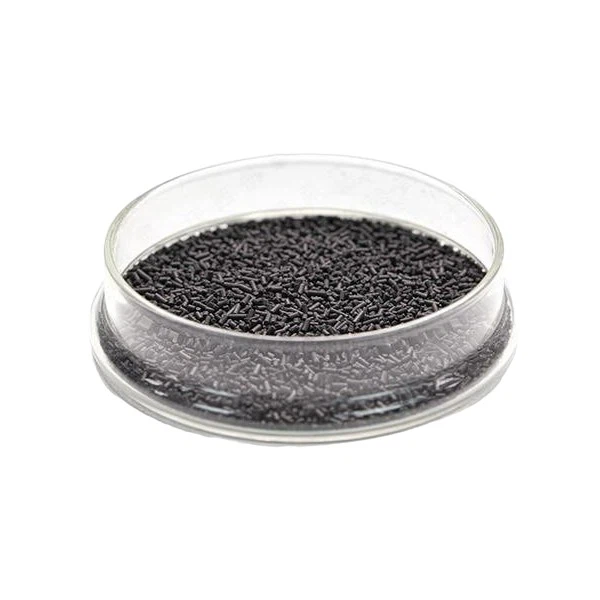
First off, let's talk about what Carbon Molecular Sieve - JXH is. It's a super - useful material mainly used in the separation of gases, like nitrogen from air in processes such as Pressure Swing Adsorption (PSA). We have some great products in our lineup, like the JXSEP®LG - 610 Carbon Molecular Sieve, Carbon Molecular Sieve - JXSEP®HG - 110, and Carbon Molecular Sieve - JXSEP®LG - 560. These are top - notch products that are helping industries all over the place.
Positive Environmental Impacts
Energy Efficiency
One of the biggest pluses of using Carbon Molecular Sieve - JXH is its contribution to energy efficiency. In PSA systems, it can effectively separate nitrogen from air. Compared to traditional methods of nitrogen production, like cryogenic distillation, PSA systems using our carbon molecular sieves consume way less energy. Cryogenic distillation requires extremely low temperatures, which means a huge amount of energy is used for cooling. On the other hand, PSA systems with our JXH sieves work at near - ambient temperatures, so they cut down on energy consumption big time. This reduction in energy use not only saves money for the industries using our products but also reduces the overall carbon footprint. Less energy consumption means less burning of fossil fuels, which in turn leads to lower greenhouse gas emissions.
Reduced Waste
Carbon Molecular Sieve - JXH has a long lifespan. Once it's installed in a PSA system, it can keep working effectively for a long time. This means less frequent replacement and less waste generation. In industries, waste management can be a real headache, both from an environmental and a cost - perspective. Since our sieves last so long, industries don't have to deal with the hassle and environmental impact of disposing of used materials as often.
Process Optimization
Our carbon molecular sieves allow for more precise gas separation. This means that industries can get a higher - quality product with less raw material input. For example, in the food packaging industry, where nitrogen is used to preserve the freshness of products, using our sieves ensures that the nitrogen produced is of high purity. This high - purity nitrogen can do a better job of preserving food, which reduces food waste. And as we all know, food waste is a massive environmental issue, so anything we can do to cut it down is a win.

Negative Environmental Impacts
Production Process
The production of Carbon Molecular Sieve - JXH does have some environmental drawbacks. The manufacturing process involves high - temperature treatments and the use of certain chemicals. These processes can release pollutants into the air and water. For example, during the carbonization process, some volatile organic compounds (VOCs) might be released. VOCs are known to contribute to air pollution and can have negative health effects on humans and the environment. Also, the water used in the production process can get contaminated with chemicals, and if not properly treated, it can be a source of water pollution.
End - of - Life Disposal
Even though our carbon molecular sieves have a long lifespan, eventually, they do need to be replaced. When it comes to disposing of used sieves, it's not as straightforward as you might think. The spent sieves can contain adsorbed impurities, and if not disposed of properly, these impurities can leach into the soil and water. Landfilling is one option, but it's not the most environmentally friendly one. The impurities in the sieves can contaminate the soil and groundwater over time. Incineration is another option, but it can release pollutants into the air, especially if the incineration process isn't well - controlled.
Resource Depletion
The raw materials used to make Carbon Molecular Sieve - JXH are finite resources. The production of these sieves requires carbon - based materials, and as the demand for our products grows, there's a risk of over - exploiting these resources. If we're not careful, we could end up depleting these resources at a rate faster than they can be replenished.
Mitigation Strategies
Cleaner Production Technologies
We're constantly working on improving our production processes to reduce their environmental impact. We're investing in research and development to find cleaner ways to manufacture our carbon molecular sieves. For example, we're looking into using more energy - efficient heating methods during the production process to reduce energy consumption and emissions. We're also exploring the use of alternative chemicals that are less harmful to the environment.
Recycling Programs
To deal with the end - of - life disposal issue, we're considering setting up recycling programs. The idea is to take back used sieves from our customers and find ways to reuse or recycle them. This would not only reduce waste but also cut down on the need for new raw materials. We're still in the early stages of developing these programs, but we're confident that we can come up with a sustainable solution.
Resource Management
To address the issue of resource depletion, we're working on optimizing our raw material use. We're looking at ways to use less raw material in the production process without sacrificing the quality of our products. We're also exploring the use of renewable or recycled carbon - based materials as alternatives to traditional raw materials.
Conclusion
So, as you can see, Carbon Molecular Sieve - JXH has both positive and negative environmental impacts. On the one hand, it offers significant benefits in terms of energy efficiency, waste reduction, and process optimization. On the other hand, its production and disposal do pose some environmental challenges. But the good news is that we're aware of these issues and are taking steps to mitigate them.
If you're in an industry that could benefit from our Carbon Molecular Sieve - JXH products, I encourage you to reach out to us for more information. Whether you're in the food packaging, electronics, or any other industry that requires gas separation, our products can offer you a cost - effective and, with our ongoing efforts, an environmentally - friendly solution. Let's work together to make your processes more efficient and sustainable.
References
- "Gas Separation by Adsorption Processes" by Douglas M. Ruthven
- "Environmental Impact Assessment of Industrial Processes" by various authors