

As a supplier of Carbon Molecular Sieve - JXF, I am often asked about the adsorption capacity of our product for nitrogen. In this blog post, I will delve into the details of the adsorption capacity of Carbon Molecular Sieve - JXF for nitrogen, exploring the factors that influence it and how it compares to other carbon molecular sieves in the market.
Understanding Carbon Molecular Sieve - JXF
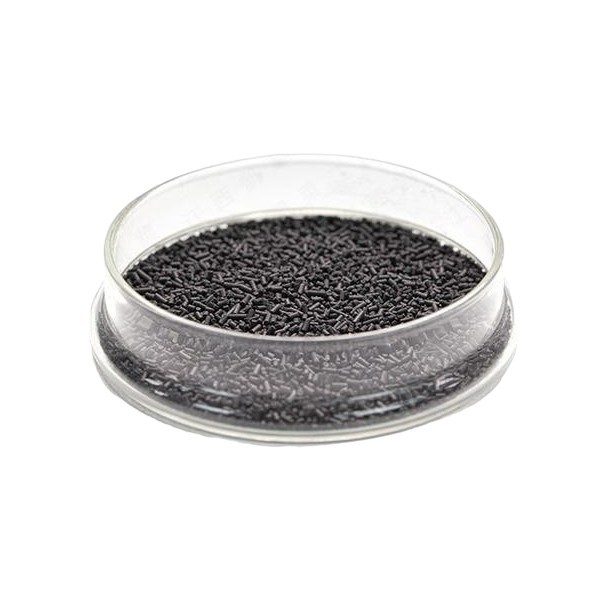
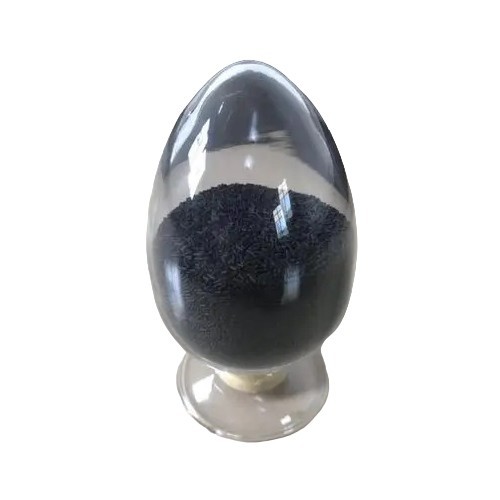
Carbon Molecular Sieve - JXF is a highly porous material with a unique pore structure that makes it ideal for nitrogen separation. It is made from a special type of activated carbon that has been processed to create a narrow range of pore sizes, typically between 0.3 and 0.5 nanometers. These pores are small enough to allow nitrogen molecules to enter but large enough to exclude oxygen molecules, making it possible to separate nitrogen from air through a process called pressure swing adsorption (PSA).
Adsorption Capacity of Carbon Molecular Sieve - JXF for Nitrogen
The adsorption capacity of Carbon Molecular Sieve - JXF for nitrogen is a critical parameter that determines its performance in nitrogen generation systems. It is typically measured in terms of the amount of nitrogen that can be adsorbed per unit weight of the carbon molecular sieve under specific conditions of temperature, pressure, and gas composition.
Several factors influence the adsorption capacity of Carbon Molecular Sieve - JXF for nitrogen:
Pore Structure
The pore structure of Carbon Molecular Sieve - JXF plays a crucial role in determining its adsorption capacity. A well - developed pore structure with a high surface area and a narrow pore size distribution allows for more efficient adsorption of nitrogen molecules. Our Carbon Molecular Sieve - JXF is engineered to have an optimized pore structure, which maximizes its nitrogen adsorption capacity.
Temperature
Temperature has a significant impact on the adsorption capacity of Carbon Molecular Sieve - JXF for nitrogen. Generally, lower temperatures favor nitrogen adsorption because the kinetic energy of the nitrogen molecules is reduced, making it easier for them to be trapped in the pores of the carbon molecular sieve. However, operating at extremely low temperatures may not be practical in industrial applications due to energy costs. In most nitrogen generation systems, the adsorption process is carried out at near - ambient temperatures, where Carbon Molecular Sieve - JXF still exhibits good adsorption performance.
Pressure
Pressure is another important factor that affects the adsorption capacity of Carbon Molecular Sieve - JXF for nitrogen. Higher pressures increase the driving force for nitrogen adsorption, as more nitrogen molecules are forced into the pores of the carbon molecular sieve. In PSA nitrogen generation systems, the adsorption step is typically carried out at elevated pressures, while the desorption step is carried out at lower pressures to regenerate the carbon molecular sieve.
Gas Composition
The composition of the feed gas also influences the adsorption capacity of Carbon Molecular Sieve - JXF for nitrogen. In air separation applications, the presence of other gases such as oxygen, carbon dioxide, and water vapor can compete with nitrogen for adsorption sites on the carbon molecular sieve. Therefore, it is important to pre - treat the feed gas to remove these impurities before it enters the nitrogen generation system.
Comparison with Other Carbon Molecular Sieves
There are several types of carbon molecular sieves available in the market, each with its own unique properties and adsorption capacities. When compared to some of the common carbon molecular sieves, our Carbon Molecular Sieve - JXF offers several advantages in terms of nitrogen adsorption capacity.
For example, the Carbon Molecular Sieve - JXSEP®LG - 560 is designed for applications where high nitrogen purity and moderate flow rates are required. It has a high adsorption capacity for nitrogen, which allows for efficient nitrogen generation even at relatively low pressures.
The Carbon Molecular Sieve - JXSEP®HG - 110ES is another product in our range that offers excellent nitrogen adsorption performance. It is suitable for high - purity nitrogen generation applications and has a high capacity for adsorbing nitrogen, making it a popular choice among industrial users.
The Carbon Molecular Sieve - JXSEP®HG - 110 is also known for its good nitrogen adsorption capacity. It is a versatile carbon molecular sieve that can be used in a wide range of nitrogen generation systems, from small - scale laboratory units to large - scale industrial plants.
Measuring the Adsorption Capacity
To accurately measure the adsorption capacity of Carbon Molecular Sieve - JXF for nitrogen, specialized equipment and techniques are used. One common method is the volumetric adsorption method, where a known amount of carbon molecular sieve is placed in a chamber, and nitrogen gas is introduced at a specific pressure and temperature. The amount of nitrogen adsorbed is then determined by measuring the change in volume or pressure of the gas in the chamber.
Another method is the gravimetric adsorption method, which involves weighing the carbon molecular sieve before and after nitrogen adsorption. The difference in weight gives the amount of nitrogen adsorbed. These measurement techniques allow us to precisely characterize the adsorption capacity of our Carbon Molecular Sieve - JXF and ensure that it meets the high - quality standards expected by our customers.
Importance of Adsorption Capacity in Nitrogen Generation
The adsorption capacity of Carbon Molecular Sieve - JXF for nitrogen is of utmost importance in nitrogen generation systems. A higher adsorption capacity means that more nitrogen can be produced per unit weight of the carbon molecular sieve, which translates into lower operating costs and higher efficiency.
In industrial applications, where large volumes of nitrogen are required, a carbon molecular sieve with a high adsorption capacity can significantly reduce the size and cost of the nitrogen generation system. It also allows for more stable and reliable nitrogen production, as the carbon molecular sieve can maintain its performance over a longer period of time.
Conclusion
In conclusion, the adsorption capacity of Carbon Molecular Sieve - JXF for nitrogen is a key factor that determines its performance in nitrogen generation systems. Our Carbon Molecular Sieve - JXF is designed to have an optimized pore structure, which maximizes its nitrogen adsorption capacity under a wide range of operating conditions.
If you are in the market for a high - performance carbon molecular sieve for nitrogen generation, we invite you to contact us for more information. Our team of experts can provide you with detailed technical specifications and help you select the right product for your specific application. Whether you need a small - scale nitrogen generation unit for a laboratory or a large - scale industrial plant, we have the solution to meet your needs.
References
- Yang, R. T. (1987). Gas Separation by Adsorption Processes. Butterworth Publishers.
- Ruthven, D. M., Farooq, S., & Knaebel, K. S. (1994). Pressure Swing Adsorption. VCH Publishers.
- Suzuki, M. (1990). Adsorption Engineering. Elsevier.