

What is the packing density of Carbon Molecular Sieve in adsorption columns?
As a dedicated supplier of Carbon Molecular Sieve (CMS), I've had numerous inquiries regarding the packing density of CMS in adsorption columns. This parameter is crucial for the efficient operation of pressure swing adsorption (PSA) and vacuum pressure swing adsorption (VPSA) systems, which are widely used for nitrogen generation, hydrogen purification, and other gas separation processes. In this blog post, I'll delve into the concept of packing density, its significance, and how it impacts the performance of adsorption columns.
Understanding Packing Density
Packing density refers to the mass of CMS per unit volume of the adsorption column. It is typically expressed in kilograms per cubic meter (kg/m³) or pounds per cubic foot (lb/ft³). The packing density of CMS is influenced by several factors, including the particle size, shape, porosity, and the method of packing.
Particle size plays a significant role in determining the packing density. Smaller particles tend to pack more tightly, resulting in a higher packing density. However, excessively small particles can increase the pressure drop across the column, which may require more energy to operate the system. On the other hand, larger particles may have a lower packing density but can reduce the pressure drop.
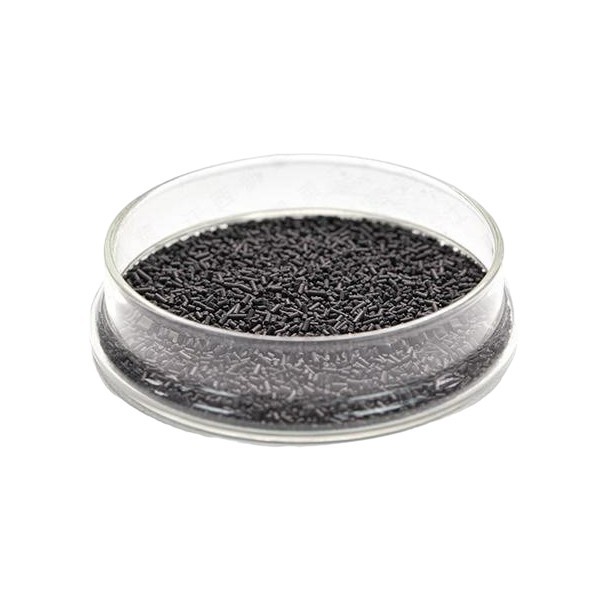
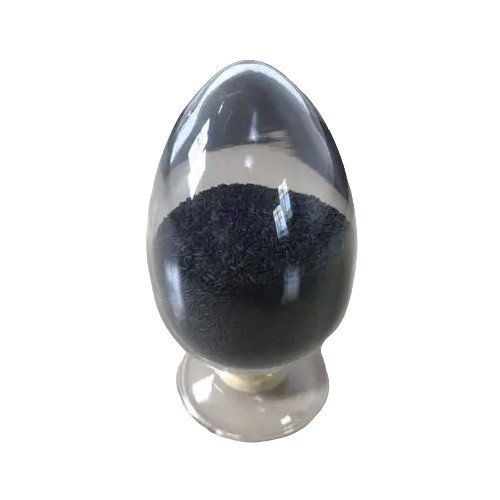
The shape of the CMS particles also affects the packing density. Spherical particles generally pack more efficiently than irregularly shaped particles, as they can arrange themselves more closely together. Porosity, which is the ratio of the pore volume to the total volume of the CMS, also influences the packing density. Higher porosity means more empty space within the particles, resulting in a lower packing density.
Significance of Packing Density
The packing density of CMS in adsorption columns has a direct impact on the performance of the gas separation process. A higher packing density can increase the amount of CMS in the column, which means more adsorption sites are available for gas molecules to interact with. This can lead to higher separation efficiency and better product purity.
However, packing the column too densely can also have negative consequences. As mentioned earlier, a high packing density can increase the pressure drop across the column, which can reduce the flow rate of the gas and increase the energy consumption of the system. Additionally, a very high packing density can cause channeling, where the gas flows through preferential paths in the column, bypassing some of the CMS particles. This can result in poor gas distribution and reduced separation efficiency.
Therefore, finding the optimal packing density is crucial for achieving the best performance of the adsorption column. The optimal packing density depends on various factors, such as the type of gas being separated, the operating conditions of the system, and the design of the adsorption column.
Our Carbon Molecular Sieve Products
At our company, we offer a range of high-quality Carbon Molecular Sieve products, including Carbon Molecular Sieve-JXSEP®HG-110ES, Carbon Molecular Sieve-JXSEP®LG-560, and Carbon Molecular Sieve-JXSEP®HG-110. These products are carefully engineered to have the right particle size, shape, and porosity to achieve an optimal packing density in adsorption columns.
Our Carbon Molecular Sieve-JXSEP®HG-110ES is designed for high-capacity nitrogen generation. It has a high packing density and excellent adsorption performance, making it suitable for large-scale industrial applications. The Carbon Molecular Sieve-JXSEP®LG-560 is a low-grammage product that offers a good balance between packing density and pressure drop. It is ideal for applications where energy efficiency is a key concern. The Carbon Molecular Sieve-JXSEP®HG-110 is a versatile product that can be used in a variety of gas separation processes, providing reliable performance and high separation efficiency.
Determining the Packing Density
To determine the appropriate packing density for a specific application, it is recommended to conduct pilot tests or consult with our technical experts. Pilot tests involve packing a small-scale adsorption column with different amounts of CMS and measuring the performance of the system under various operating conditions. This can help to identify the optimal packing density that provides the best balance between separation efficiency and pressure drop.
Our technical experts have extensive experience in designing and optimizing adsorption systems. They can analyze your specific requirements, such as the type of gas, flow rate, and product purity, and recommend the most suitable Carbon Molecular Sieve product and packing density for your application.
Contact Us for Purchase and Consultation
If you are interested in our Carbon Molecular Sieve products or need more information about packing density and gas separation processes, please feel free to contact us. We are committed to providing high-quality products and excellent customer service. Our team will be happy to assist you in selecting the right product for your needs and answering any questions you may have. Whether you are looking to purchase a small quantity for a laboratory test or a large volume for an industrial project, we can meet your requirements.
References
- Yang, R. T. (1987). Gas Separation by Adsorption Processes. Butterworths.
- Ruthven, D. M., Farooq, S., & Knaebel, K. S. (1994). Pressure Swing Adsorption. VCH Publishers.
- Sircar, S., & Golden, T. C. (2000). Pressure Swing Adsorption. In Kirk-Othmer Encyclopedia of Chemical Technology. Wiley.